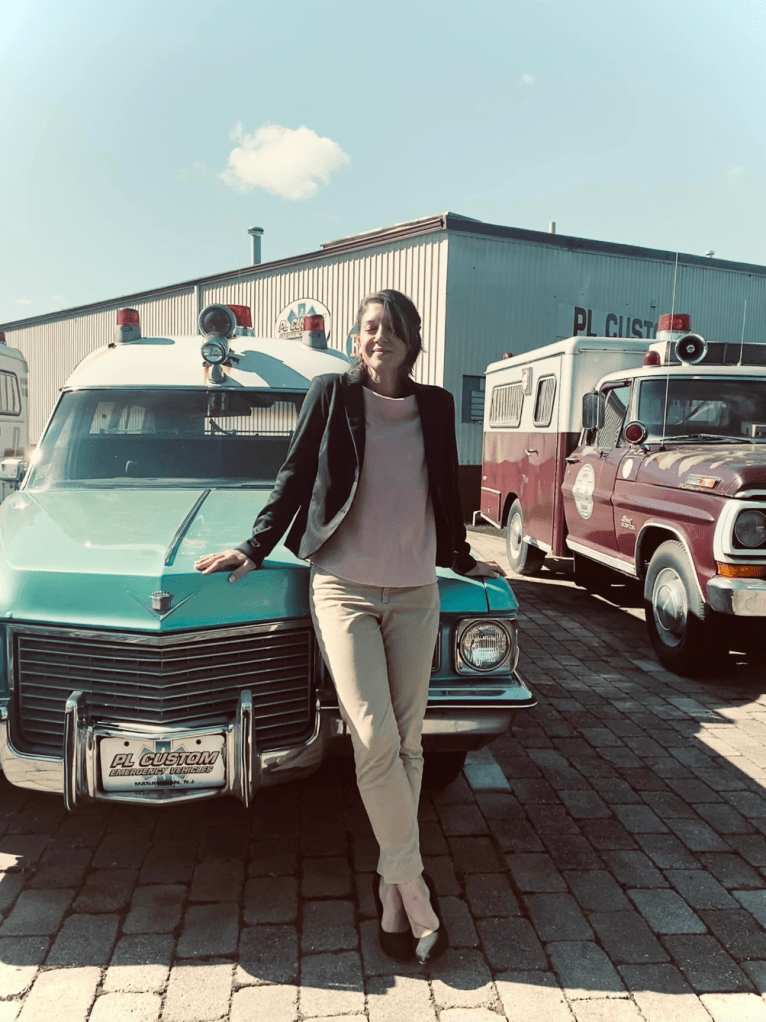
Lacey Sawyer
Author, Mind Over Mayday
A Voice for First Responder Wellness
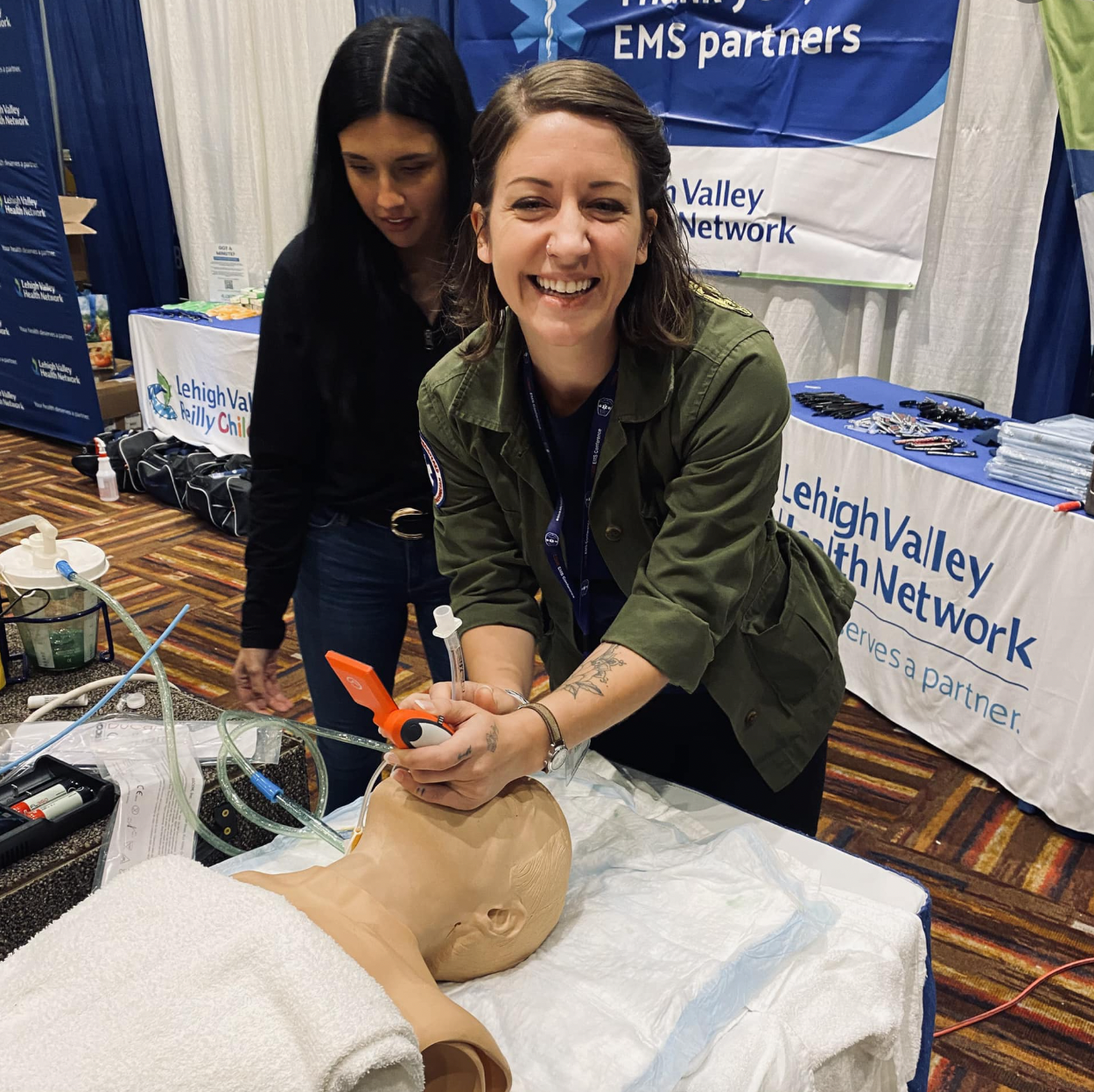
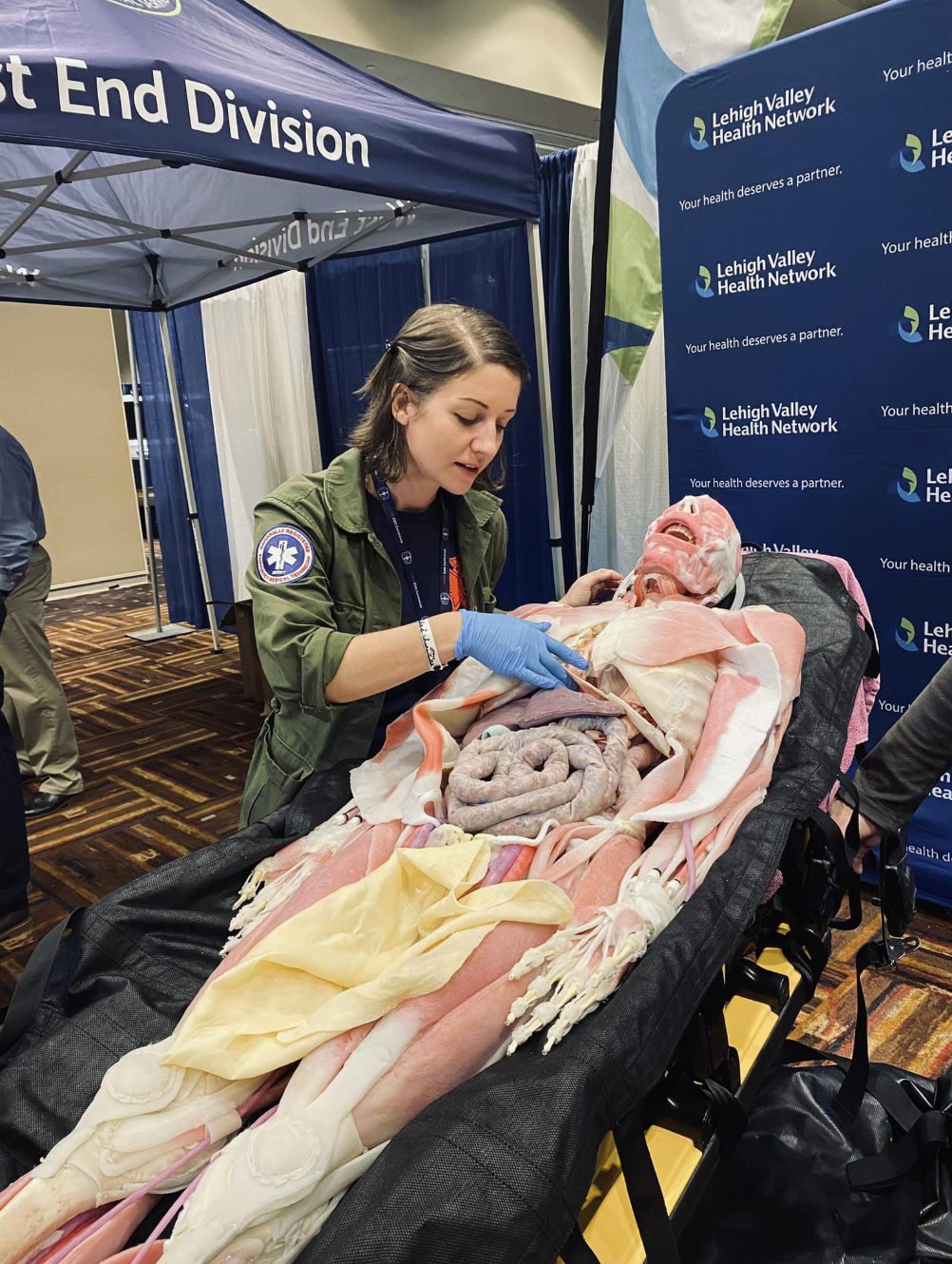
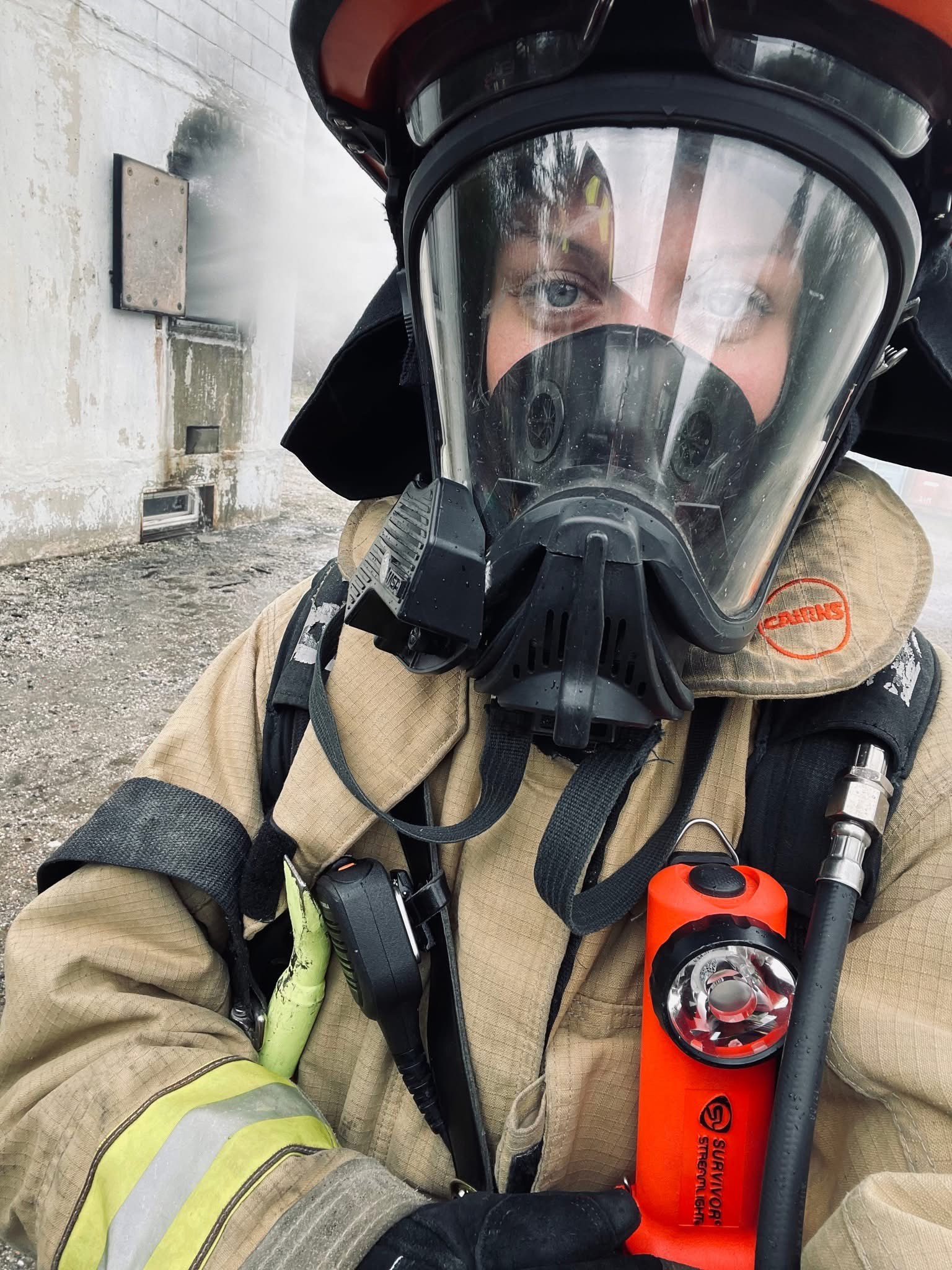
Lacey Sawyer is an Emergency Medical Technician, certified firefighter, and dedicated mental health advocate based in Maine. By day (or night, rather), she works as a Technician in the Emergency Department of one of Maine’s largest hospitals, drawing on her frontline experience to connect with her community. With a Bachelor’s in International Affairs and graduate studies in Global Policy, Lacey brings a unique perspective to her work, blending academic insight with real-world resilience.
Her passion for mental health advocacy, especially for first responders, is deeply personal. Inspired by her own journey through trauma, healing, and sobriety, Lacey founded her blog to honor the memories of colleagues like Sawyer Coleman and Scott Latulippe, while breaking the stigma surrounding mental health.
As a proud member of the Maine EMS Honor Guard, Lacey is committed to celebrating the lives of fallen first responders and advocating for a stronger, healthier community. Mentored by Ron Morin—“The Grandfather of EMS in Maine”—and his wife, Becky, Lacey finds inspiration in their humor, wisdom, and devotion to service.
Through her writing and advocacy, Lacey aims to spark meaningful conversations, empower others to seek help, and create a future where mental health care for first responders is a priority, not an afterthought.
Blog Library
Mind Over Mayday explores a wide range of topics centered on mental health, with a focus on first responders and medical professionals.
Posts delve into critical areas such as mental health policies affecting first responders, the neurochemical changes that occur in the brain as a result of trauma, and the unique challenges faced by those in high-stress professions.
The blog also offers practical techniques and evidence-based resources for processing trauma, fostering resilience, and navigating the path to healing.
With a blend of personal insights, professional expertise, and actionable advice, Mind Over Mayday aims to inspire and empower readers to prioritize their mental well-being.
Frequently Asked Questions
What inspired you to start Mind Over Mayday?
Mind Over Mayday was born out of my personal journey as a first responder and mental health advocate. Experiencing trauma firsthand, both on and off the job, showed me how critical it is to address the mental health needs of those in high-stress professions. I wanted to create a space where we could talk openly about the challenges we face, from the impact of trauma on the brain to the stigma around seeking help, while also offering actionable tools and resources for healing. My goal is to help others feel less alone and encourage a culture of support and resilience within the first responder community.
What kinds of topics do you cover in your blog posts?
On Mind Over Mayday, I cover a wide variety of topics related to mental health, particularly as they apply to first responders. This includes discussions on mental health policies, the neurochemical and psychological effects of trauma, and the importance of creating safe spaces to process those experiences. I also write about practical techniques for healing, such as mindfulness, peer support, and professional therapy, as well as providing resources for those seeking help. My posts are a blend of personal stories, research, and tools designed to inspire, educate, and support readers on their mental health journey.
Who is your target audience for the blog?
While Mind Over Mayday is written with first responders in mind—EMTs, firefighters, police officers, and healthcare professionals—it’s also relevant to anyone interested in mental health, policy, trauma recovery, or supporting loved ones in high-stress careers. Whether you’re navigating your own challenges, looking for ways to better support a friend or family member, or just seeking insights into the mental health struggles and solutions in these professions, there’s something here for you.
How does your personal experience influence the blog?
My personal experience as a first responder and a suicide attempt survivor shapes everything I write. I’ve been on both sides of the equation—providing care to others in crisis and navigating my own recovery journey. I know the weight of the job, the toll trauma takes, and how hard it can be to ask for help. Through my blog, I aim to share what I’ve learned, both from my personal healing and from the resources and mentorship I’ve been fortunate to receive, in the hopes that it helps others feel seen, supported, and empowered to prioritize their mental health.
Are you ready to break the stigma?
 Mind Over Mayday