
Tag: authenticity

  • Recovery in the Trenches: Navigating Sobriety in the Medical Field

    Recovery in the Trenches: Navigating Sobriety in the Medical Field

    When I stepped into the world of emergency medicine, I carried more than just a trauma bag and a drive to help others. I also carried my history—a story of survival, sobriety, and relentless hope. As a person in recovery, working in the medical field has been both a profound challenge and an incredible opportunity for connection.

    The Challenges of Recovery in the Medical Field

    Working in emergency medicine means constantly being surrounded by chaos, trauma, and moments that would shake anyone’s resolve. For someone in recovery, the stakes can feel even higher. We see patients at their worst—overdoses, withdrawal, and the physical toll of addiction. It’s impossible not to see pieces of my past in their eyes, and that can stir up emotions I thought I’d buried long ago.

    The medical field also has its own culture, one that doesn’t always prioritize mental health or sobriety. Stress is often managed with substances like alcohol, and “blowing off steam” after a tough shift can quickly spiral into unhealthy habits. For me, navigating this environment while staying true to my sobriety has required strong boundaries and an unwavering commitment to my recovery.

    Then there’s the stigma. While I openly share my story in spaces where it can help others, I know not everyone in the medical field understands what it means to be in recovery. Sometimes, I’ve felt like I had to prove that my past doesn’t define my present. But instead of being a limitation, my history has become a source of strength.

    Turning Challenges Into Opportunities

    One of the unexpected gifts of being in recovery is the ability to connect with patients on a deeply human level. When I encounter someone battling addiction or struggling through withdrawal, I don’t just see their chart or their diagnosis. I see their humanity. I see their potential.

    For example, when treating a patient who’s overdosed or in the grips of substance use, I don’t shy away from the conversation. If the moment feels right, I might say, “I’ve been where you are. It doesn’t have to end here.” Those words can be a lifeline, not just because they’re comforting, but because they come from someone who has walked the same path. I’ve seen patients’ eyes light up—not with shame, but with hope.

    These moments of connection are some of the most fulfilling parts of my job. They remind me that recovery is not just about staying sober; it’s about being of service. Every interaction is an opportunity to plant a seed, to remind someone that they’re not alone, and that change is possible.

    Self-Care as a Lifeline

    Recovery in the medical field has taught me the non-negotiable importance of self-care. Long shifts, emotional cases, and physical exhaustion can be dangerous for anyone, but for someone in recovery, they can be a slippery slope. I’ve learned to prioritize my mental and physical health—whether that’s through my morning and evening routines, regular therapy, or connecting with my support network.

    I’ve also found it essential to stay grounded in my “why.” Why did I get sober? Why did I choose this career? Reflecting on these questions keeps me aligned with my values, even on the hardest days.

    Breaking the Stigma

    If there’s one thing I’ve learned, it’s that people in recovery bring unique strengths to the medical field. We know how to rebuild after hitting rock bottom, how to empathize without judgment, and how to find resilience in the face of hardship. Yet, stigma around addiction and recovery still exists, even in healthcare.

    By sharing my story, I hope to break down that stigma—not just for my patients, but for my colleagues. Recovery isn’t a weakness; it’s a testament to strength, perseverance, and the human capacity for change. The more openly we talk about it, the more we can create a culture where vulnerability is met with support instead of shame.

    A Life of Purpose

    Being a person in recovery working in the medical field is not without its struggles, but it’s also a life filled with purpose. Every shift, I have the chance to be a light in someone else’s darkness, to offer hope when it feels like all is lost. And in doing so, I keep my own recovery alive.

    For anyone else in recovery considering or working in healthcare, know this: Your past doesn’t disqualify you. It prepares you. The empathy, resilience, and strength you’ve built are exactly what the world needs. You are proof that healing is possible, both for yourself and for the patients you serve.

    Recovery is a journey, not a destination. And for me, this journey continues in the trenches—one patient, one connection, and one day at a time.

  • Mentorship in EMS: Lessons from My Relationship with Ron Morin

    Mentorship in EMS: Lessons from My Relationship with Ron Morin

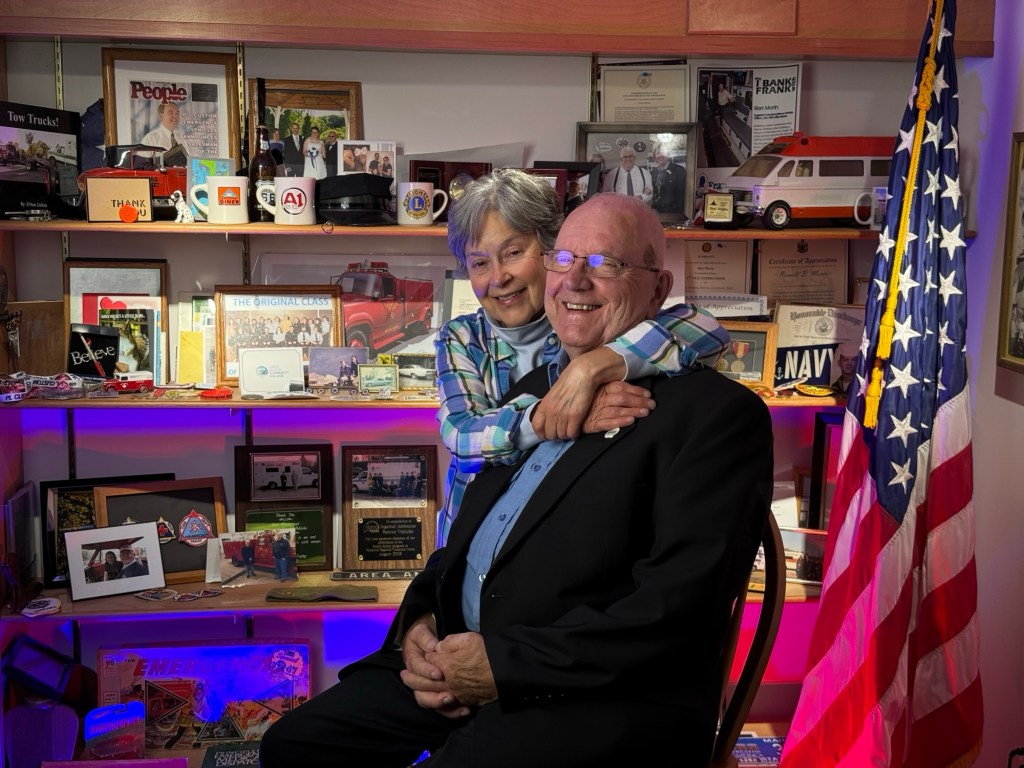
    Mentorship is a cornerstone of growth in any field, but in Emergency Medical Services (EMS), where the stakes are high and the learning curve is steep, it can be transformative. For me, mentorship came in the form of Ron Morin—a pioneer in Maine EMS whose career spanned over four decades, starting with the state’s very first paramedic program. His passion for the field didn’t stop with patient care; it extended to ambulance design, regional sales, education, and advocacy. But our story didn’t begin in the thick of his career. It started after Ron and his wife Becky, a paramedic and nurse practitioner, had retired—a time when I was just starting my journey as an EMT.

    At the time, I was still figuring out my path in healthcare and emergency medicine. Meeting Ron and Becky couldn’t have come at a better time. Their thoughtful guidance, experience, and unwavering encouragement became a steadying force in my life. As our relationship grew, so did the depth of their impact on me. Today, I’m proud to call them my chosen grandparents—a title they’ve earned through years of offering love, support, and wisdom.

    A New Chapter: Touring and Writing with Ron

    One of the most rewarding aspects of my mentorship with Ron has been our work together on the Squad 51 History and Education Project, his nonprofit educational initiative. Touring the Northeast with Ron, we’ve worked to inspire new generations of EMS professionals and connect with seasoned veterans who grew up watching the iconic show Emergency! These trips have been more than just professional opportunities—they’ve been lessons in history, community, and the evolution of EMS.

    In 2023, our collaboration deepened when I began working on Ron’s autobiography. As I transcribed his stories, I gained insight into the origins of 911 services in rural Maine, the challenges faced by early paramedics, and the profound dedication it takes to build a system that saves lives. Beyond his professional journey, I’ve learned about the enduring love and partnership he shares with Becky, the resilience they’ve shown through life’s challenges, and their tireless commitment to the EMS community.

    What Ron Taught Me About Mentorship

    Ron’s mentorship has been a masterclass in patience, perspective, and humility. He’s taught me that no matter how advanced our tools or protocols become, EMS is ultimately about people—about their stories, struggles, and triumphs. His advice has helped me become not just a better EMT, but a more compassionate and grounded healthcare provider.

    One of the most profound lessons I’ve learned is the importance of listening—really listening. Whether it’s a patient in crisis, a colleague in need of support, or the wisdom of someone who’s been in the field for decades, listening creates the space for growth and connection.

    It’s also because of Ron and Becky’s encouragement that I found the courage to start this blog, Mind Over Mayday. Sharing my story and advocating for first responder mental health wouldn’t have been possible without their belief in me.

    Why You Should Seek a Mentor in EMS

    Mentorship in EMS isn’t just about passing down technical knowledge; it’s about building relationships that challenge, support, and inspire. Here are a few reasons why finding a mentor could change your career—and your life:

    1. Perspective: Mentors like Ron bring a wealth of experience that helps put the challenges of the job into context. Their stories remind us why we chose this field in the first place.

    2. Guidance: A mentor can help you navigate career decisions, refine your skills, and avoid common pitfalls.

    3. Support: The demands of EMS can be overwhelming, but having someone who understands the unique stressors of the job can make all the difference.

    4. Connection to the Past: Learning from those who’ve shaped the field connects us to its history and inspires us to contribute to its future.

    Honoring the “Dinosaurs” of EMS

    Too often, the wisdom of EMS veterans is overlooked in a field that’s constantly evolving. But the so-called “dinosaurs” of EMS have a depth of knowledge and perspective that no textbook or protocol manual can provide. Their stories are a reminder of how far we’ve come—and how much we still have to learn.

    For me, Ron and Becky have been that bridge between the past and the future, showing me what it means to dedicate your life to a calling. Their mentorship has shaped my career and my perspective, and I’ll forever be grateful for the lessons they’ve taught me.

    So, if you’re new to EMS—or even if you’re not—find a mentor. Seek out someone who inspires you, challenges you, and helps you grow. And when the time comes, pass that knowledge along. Because mentorship isn’t just about becoming better at what you do; it’s about ensuring the next generation is even stronger.

    To Ron and Becky—thank you for everything. Your impact on my life and my career is immeasurable, and I hope to honor it by continuing to learn, grow, and give back.

  • How to Use Trauma-Informed Dialogue to Support Someone Who’s Struggling

    How to Use Trauma-Informed Dialogue to Support Someone Who’s Struggling

    When someone you care about—whether a friend, family member, colleague, or fellow first responder—is struggling, your words and approach can make a huge difference. Trauma-informed dialogue focuses on creating a safe, nonjudgmental space where they feel heard, supported, and understood. Here’s how to implement this compassionate approach:

    1. Prioritize Safety and Trust

    • Start with empathy: Begin by acknowledging their struggle without judgment or assumptions. For example:

    “I’ve noticed you seem a bit off lately, and I wanted to check in. How are you doing?”

    • Be consistent and reliable: Show up when you say you will, listen without interruption, and maintain confidentiality to build trust.

    2. Use Nonjudgmental Language

    • Avoid blame or shaming statements like, “You’re overreacting” or “Why can’t you just let it go?”

    • Instead, try: “That sounds really difficult. I can understand why you’d feel that way.”

    • Remember, trauma responses aren’t about being “weak” but are the brain’s way of coping with overwhelming stress.

    3. Practice Active Listening

    • Give them space to speak: Sometimes, they need to process their thoughts out loud. Avoid jumping in with advice right away.

    • Reflect what you hear to show understanding:

    “It sounds like you’re feeling overwhelmed and unsure where to start. That makes a lot of sense.”

    4. Avoid Triggers

    • Trauma can make certain words, tones, or topics feel threatening. Pay attention to their body language and emotional cues.

    • If they seem agitated or withdrawn, adjust your approach. Use calm, reassuring tones and focus on the present moment.

    5. Focus on Empowerment, Not Fixing

    • Instead of saying, “You should…” or “Here’s what you need to do…”, try asking:

    “What do you think would help right now?”

    • Validate their strengths: “I know this is hard, but I’m amazed by how strong you’ve been through everything.”

    6. Know When to Step Back and Offer Resources

    • If their struggles are beyond what you can handle, gently suggest professional support:

    “I’m here for you, but I wonder if talking to someone like a counselor or therapist might help. I can help you find someone if you’d like.”

    • Offer resources without pressure, such as crisis lines, peer support groups, or wellness programs.

    7. Follow Up

    • Support isn’t a one-time conversation. Check in periodically:

    “I’ve been thinking about you. How have things been going?”

    • Even small, consistent actions—like sending a thoughtful text—show that you care.

    Why It Matters for First Responders

    First responders often face unique challenges, including cumulative stress and exposure to traumatic events. Trauma-informed dialogue acknowledges these pressures without minimizing them. It’s about saying, “I see you, I hear you, and I’m here for you,” in a way that respects their experience and humanity.

    By using trauma-informed dialogue, you’re not just helping someone feel supported—you’re creating a foundation for trust, healing, and resilience. Together, we can break down the stigma around seeking help and foster a culture of compassion and understanding.

    You’re never alone in this journey. Let’s make sure no one else feels they are, either.

    Still feeling lost? Here is a sample conversation that puts trauma informed dialogue into practice…

    Scenario: Two EMTs, Chris and Taylor, are chatting after a shift. Chris has noticed Taylor has been quieter than usual and seems stressed.

    Opening the Conversation

    Chris:

    “Hey Taylor, you’ve seemed a bit off the last few shifts. Everything okay?”

    Taylor:

    “Yeah, I’m fine. Just tired, I guess.”

    Chris:

    “I get that—this job takes it out of you. But I don’t know, it seems like more than just being tired. I’m here if you want to talk.”

    Acknowledging and Validating

    Taylor:

    “I don’t know, man. It’s just been a lot lately. That call last week with the kid… I can’t stop thinking about it.”

    Chris:

    “Yeah, that was a tough one. Those kinds of calls stick with you. It’s completely normal to feel like this.”

    Taylor:

    “I keep wondering if we missed something, you know? Like, what if there was something more we could have done?”

    Chris:

    “That’s a heavy weight to carry. I’ve felt like that before too—second-guessing everything. But from what I saw, you did everything you could. That kid had the best chance because of you.”

    Using Active Listening

    Taylor:

    “I know you’re probably right, but it just doesn’t feel that way. And then every time I try to sleep, it’s like I’m back on that call.”

    Chris:

    “That sounds rough. Not being able to shake it and having it mess with your sleep—it’s no wonder you’re feeling drained. It makes sense that this would be sticking with you.”

    Taylor:

    “Yeah. And I can’t really talk about it at home. It doesn’t feel right to bring that stuff home, to talk about something like that with my wife who doesn’t need that image in her head too.”

    Chris:

    “That’s tough, I know the feeling. But you can always talk to me. You don’t have to carry this alone.”

    Focusing on Empowerment

    Chris:

    “Have you thought about what might help you feel a little better? Sometimes talking to someone outside of work, like a counselor, can help sort through all of this.”

    Taylor:

    “I don’t know. I’ve never done that before. Feels kind of… weak, you know?”

    Chris:

    “Trust me, I’ve been there. I thought the same thing, but talking to someone helped me work through stuff I didn’t even know was weighing me down. It’s not about being weak—it’s about taking care of yourself so you can keep doing this job.”

    Offering Support

    Chris:

    “If you want, I can help you find someone to talk to. I know a few resources that specialize in first responders. No pressure, just an option.”

    Taylor:

    “Yeah, maybe. I’ll think about it.”

    Chris:

    “That’s all I ask. In the meantime, let me know if you want to grab coffee or vent about anything. There’s also a support group I go to sometimes, once a month, if you’d ever want to go with me. No matter what, I’ve got your back.”

    Taylor:

    “Thanks, Chris. I appreciate it. It would be nice to grab coffee outside of work sometime, and let me know when that group is. I’ll give anything a try at this point.”

    This example highlights trauma-informed dialogue by creating a safe space, validating feelings, avoiding judgment, and empowering the struggling colleague to consider next steps. It’s a realistic approach to starting meaningful conversations about mental health in the workplace.

    If you’re unsure of how to start a conversation with someone who is struggling, reach out to mindovermayday@gmail.com and you will receive personalized advice compiled by myself and my own mentors. Note: we are not licensed therapists or counselors, just fellow first responders on a mission to help other first responders in crisis.

  • Why We Keep Showing Up: Exploring the Deep Sense of Purpose and Pride in First Responder Work

    Why We Keep Showing Up: Exploring the Deep Sense of Purpose and Pride in First Responder Work

    Imagine a world without the 911 system. A world where emergencies relied on word-of-mouth or outdated technology, with response times stretching into hours instead of minutes. It’s not some far-off dystopian concept—this was reality less than a century ago.

    In Maine, the 911 system as we know it today only came into existence in the 1970s. Before that, the state relied on what was called the “red phone system.” Red phones, located in specific public locations, were hardwired to contact a trained responder’s home directly. There were no cell phones, no coordinated networks—just landlines and limited accessibility.

    In those days, people were far more likely to die before reaching medical care. Fires destroyed homes more frequently because of delayed response times and limited resources. And yet, first responders stepped up, even in those challenging conditions. They became a lifeline, often volunteering their time to serve their communities because they understood the stakes.

    Flash forward to today: technology has advanced, our equipment has improved, and the 911 system is a highly coordinated network capable of dispatching fire, police, and EMS to nearly any corner of the country. But our system is under immense pressure.

    With a wave of retirements looming and fewer individuals interested in entering the field, the future of emergency response looks uncertain. Those who do step into first responder roles often leave after only a few years, disillusioned by low pay, high stress, and a job that rarely matches the glorified image portrayed in movies or TV shows. Many never fully understand what keeps those of us who stay going.

    So, why do we keep showing up?

    Because Lives Depend on It

    Every call has the potential to save a life. Whether it’s reviving someone in cardiac arrest, pulling a child from a burning building, or simply being a reassuring presence in someone’s darkest hour, the work we do matters. We see firsthand what happens when help doesn’t arrive in time—and that knowledge fuels our drive.

    Because It’s Who We Are

    First responders share a unique bond, rooted in a sense of duty and purpose. We’re not just responding to emergencies; we’re showing up for our communities in their most vulnerable moments. That sense of responsibility becomes a part of who we are.

    Because We Believe in a Greater Good

    Even in a system stretched to its limits, we show up because we know the alternative is unacceptable. The thought of a world where 911 calls go unanswered or delayed for hours is unfathomable. We believe in protecting the system that has become a lifeline for so many.

    Because We’re Proud of Our Legacy

    First response is a tradition. For decades, people have stepped up to serve in this field, often at great personal cost. We carry that torch, honoring the sacrifices of those who came before us.

    Because We’re Not Done Fighting

    Yes, there are challenges—staffing shortages, burnout, and a lack of resources. But for those of us who stay, there’s a drive to be part of the solution. We want to leave this field better than we found it, to advocate for change, and to inspire the next generation of responders to pick up where we leave off.

    The Road Ahead

    The future of emergency response is at a crossroads. Without intervention—better pay, better mental health support, and better recruitment efforts—the system could face collapse. But if we’ve learned anything from history, it’s that first responders have always risen to the challenge.

    To those of you considering this field: It won’t be easy, but it will be worth it. You’ll find a sense of purpose unlike anything else. And you’ll join a community of people who show up, day after day, not because it’s easy, but because it’s needed.

    For those of us already in the field, let this be a reminder: what we do matters. We are part of something greater than ourselves.

    And that’s why we keep showing up.

  • The Healing Power of Being Vulnerable

    The Healing Power of Being Vulnerable

    As first responders, we are often taught to be strong and unwavering in the face of chaos. We are trained to handle the worst moments in people’s lives, keeping our composure when the pressure is on. While this strength is vital in our line of work, it can sometimes lead us to neglect a powerful tool for healing: vulnerability.

    For many of us in high-stress professions like EMS, it’s easy to think that showing vulnerability is a sign of weakness. We may fear that revealing our struggles or sharing our emotions might jeopardize our professional reputation or the trust others place in us. But here’s the truth: vulnerability is not a weakness; it is a profound strength that allows for growth, connection, and healing.

    The Strength in Vulnerability

    Vulnerability doesn’t mean being weak or incapable—it’s about being open and honest with ourselves and others about our challenges. It means acknowledging that we are human and that we face emotional, physical, and mental struggles, even in a job that requires us to be “on” all the time.

    I’ve had my own experiences with vulnerability. In my journey, I’ve learned that the moments when I have been open about my own mental health struggles, my fears, and my insecurities are the moments when I’ve experienced the most growth. It’s when I allowed myself to be vulnerable—whether by talking to a trusted colleague, a mentor, or even writing down my thoughts on my blog—that healing began to take place.

    Unfortunately, not everyone in this field is encouraged to embrace vulnerability. I’ve witnessed many colleagues shrug off their experiences, adopting the mindset that showing any sign of weakness is unacceptable. Too often, people turn to substances like alcohol to numb their emotions instead of opening up to others. The pressure to “tough it out” can create a toxic environment where the mentality becomes, “If you can’t stand the heat, stay out of the field.”

    This environment not only inhibits personal growth but also perpetuates a cycle of isolation and self-destruction. When vulnerability is seen as a weakness, it becomes harder for people to reach out for help when they need it the most. I’ve seen this firsthand—the silent struggles that so many face because they fear being judged or misunderstood.

    Healing Through Connection

    One of the most powerful aspects of vulnerability is how it fosters connection. When we allow ourselves to be vulnerable, we invite others to do the same. This mutual openness can be transformative.

    Throughout my career, I’ve been fortunate to find trusted peers and mentors who are always there for me when I need them. These are the people who have shown me that there is strength in vulnerability, and that we don’t have to carry our burdens alone. I know that when I pick up the phone to call, they’ll be on the other end of the line, ready to listen and offer support.

    Surprisingly, many people are more open to talking through our struggles, and sharing their own experiences than we might think. The truth is, people would rather drive many miles, talk for hours, and offer their support than have to attend your funeral. This kind of connection is not only meaningful—it’s lifesaving.

    In my journey, I’ve learned that the power of a simple conversation cannot be underestimated. Sometimes, all it takes is someone else’s willingness to listen and share their own experiences to make us feel seen and understood. We heal when we come together, when we recognize that we are part of a larger family, and that our struggles are shared.

    Embracing Vulnerability to Build Resilience

    I’ve learned that resilience isn’t about pushing through in silence or pretending everything is fine when it’s not. True resilience is rooted in vulnerability—the ability to admit when we’re struggling and to seek the support we need. It’s about understanding that strength comes not from being invulnerable, but from facing our difficulties head-on and allowing ourselves to be supported by others.

    By embracing vulnerability, we can begin to unravel the layers of stress and trauma that come with our work. We can break free from the mindset that we have to handle everything alone and start recognizing that seeking help, sharing our emotions, and expressing our struggles makes us stronger, not weaker. When we embrace vulnerability, we not only improve our mental health but also deepen our connection with our colleagues and loved ones.

    Encouraging Others to Be Vulnerable

    If you’re reading this and finding it hard to imagine being open about your struggles, know that you’re not alone. It’s okay to take the first step toward vulnerability. You don’t have to do it all at once, but start with small moments of openness. Share your thoughts with a colleague you trust, talk to a therapist, or simply give yourself permission to feel without judgment.

    Remember, being vulnerable is not a sign of weakness. It’s an act of courage. By allowing ourselves to be seen, to share our emotions, and to seek support, we pave the way for healing and growth—not just for ourselves but for the entire first responder community.

    We are in this together. And together, we will heal.