For many, the holidays are a time to gather with family, exchange gifts, and celebrate traditions. But for those of us in the first responder and healthcare community, the meaning of the holidays can look quite different. We don’t always get the luxury of celebrating with our loved ones, and the sights, smells, and memories that come with these special days can often be mixed with the stress, trauma, and demands of our jobs.
As a first responder, the holidays are a reminder that, while others are cozying up at home with family, we might be in the middle of a shift, answering calls, or working in a hospital, doing our part to care for those in need. Some of us don’t get to experience the holiday cheer when we’re on duty, and for many, this can make the holidays feel intrinsically different from how they may seem to those outside the profession.
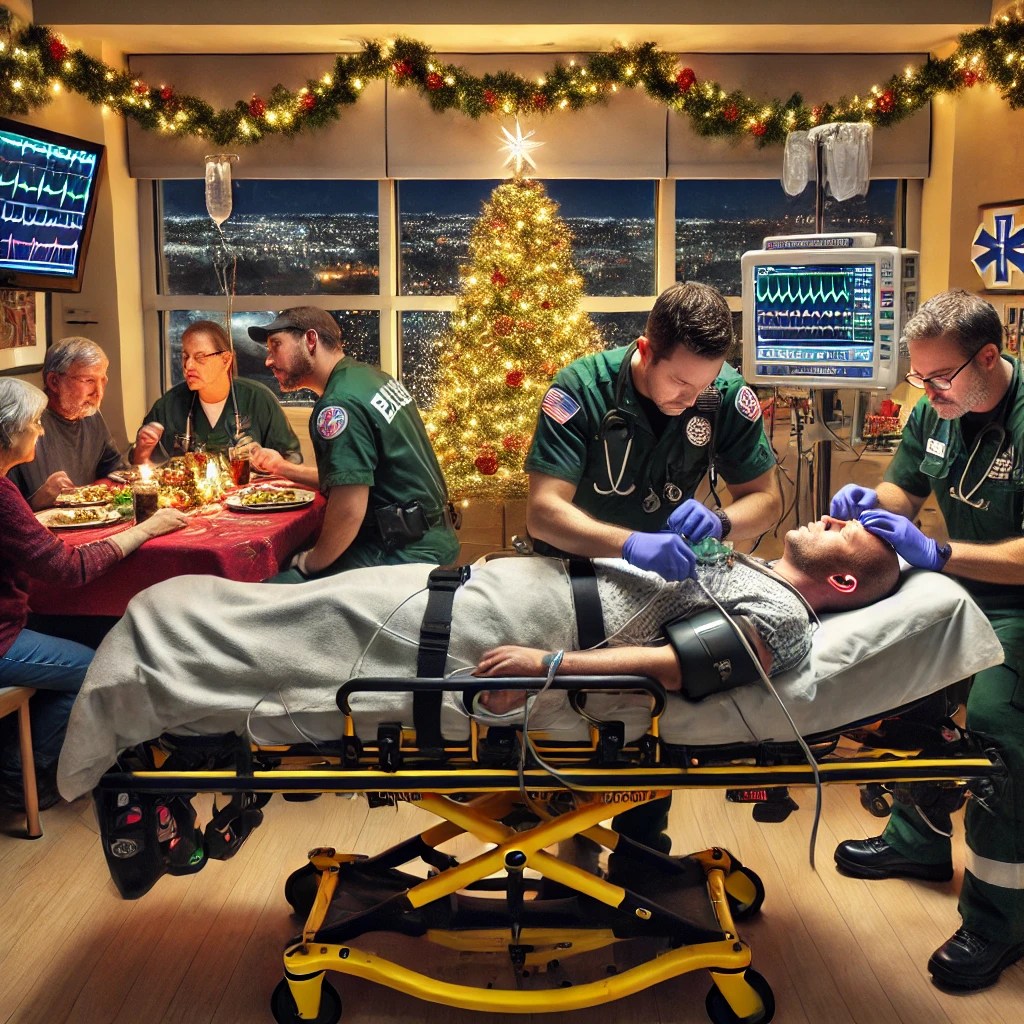
For example, I’ll never forget the Thanksgiving I worked as an EMT. I responded to a cardiac arrest call that occurred during Thanksgiving dinner. The scene I arrived at was one I’ll never forget: the elderly man’s family was in the middle of a festive meal when he collapsed. Despite our best efforts, he never woke up. As we worked on him, the smell of food lingered in the air—the aroma of mashed potatoes, stuffing, and turkey mixing with the unsettling smell of death. That scent of mashed potatoes stayed with me for a long time after that call, so much so that even the thought of it made me feel nauseous for a while. The experience, unfortunately, became a dark memory associated with what’s supposed to be a joyful day.
For many of us in the first responder field, this is a reality: we carry the weight of difficult calls and tragic scenes that happen on what should be a celebratory occasion. It’s not uncommon for our work to leave us with heavy memories tied to a holiday, affecting how we approach it in the future.
What happens when we’re unable to be with our families on the exact day of the holiday? Often, we have to find new ways to celebrate. We shift our celebrations to the days before or after the actual holiday. Our families learn to adapt, making adjustments to their schedules so that we can still come together and create new traditions. It’s not the same as being there in the moment, but it’s the next best thing. This sense of flexibility, and the ability to adjust holiday norms, often becomes an unspoken part of our lives.
And then there’s the camaraderie we share with our colleagues. Since many of us end up working together during the holidays, we form bonds with the very people we spend most of our time with. Celebrating with colleagues might not feel the same as being with family, but it offers a unique kind of connection. We support each other through the stress of being away from home, and in those moments, we share in the holiday spirit, together. It’s a different kind of celebration—a celebration of resilience, teamwork, and the bonds formed through shared experience.
This shared sense of unity is what can make the workplace healthier and more positive during the holidays. We know what it’s like to miss out on time with loved ones, so we step up for each other. Sometimes we collaborate on potluck dinners, or plan “secret Santa” and gift exchanges. We look out for one another, offer words of encouragement, and, in a way, create our own family within our team. This is what helps us get through those long shifts and difficult calls while still keeping the holiday spirit alive.
However, the holidays do come with their own set of challenges. While we’re out there working, we also need to be mindful of the potential risks and accidents that can arise during this festive season. Some common accidents include car crashes from winter weather, fires due to holiday lights or cooking accidents, burns from handling hot food or drinks, and slips and falls from icy sidewalks. As we know all too well, accidents don’t take a holiday, and the stress of dealing with injuries during such a time can add to the emotional weight we carry.
Here are some helpful tips for first responders and healthcare workers to make the most of the holiday season, even when you’re on the job:
- Create New Traditions – The holidays don’t have to be celebrated on the exact day. Adjust your traditions by celebrating before or after your shift. This can help you feel connected to the season, even if you’re working.
- Take Small Breaks – If you’re working long hours, carve out brief moments for yourself. A quick walk outside to look at holiday lights, a cup of hot cocoa, or even a few minutes of deep breathing can help you recharge and stay grounded.
- Lean on Your Team – The holidays can be tough when you’re away from family, but your colleagues are your second family. Take time to share a laugh, celebrate together, and make the best of the situation. These moments help create a bond that will last beyond the shift.
- Find Meaning in Your Work – During the busy holiday season, remind yourself why you do this job. The work you do has a meaningful impact on others, and knowing you’re making a difference can help you feel fulfilled, even if you’re away from home.
- Stay Connected Virtually – If you can’t be with your loved ones, take advantage of video calls or texts to stay in touch. Even a quick check-in can help you feel connected and supported.
- Practice Self-Care – After a tough call or shift, take time for yourself to decompress. Whether it’s exercising, journaling, or just unwinding with a good book or holiday movie, taking care of your mental health is key to staying balanced during the holidays.
- Give Yourself Grace – The holidays may not look like what you imagined, and that’s okay. Be kind to yourself, and recognize that you’re doing your best in a challenging profession. Acknowledge your feelings and give yourself the space to experience them.
- Enjoy the Small Moments – Whether it’s the festive decorations in the break room or the smell of holiday treats during a call, appreciate the little moments that bring holiday cheer. These tiny sparks of joy can make a big difference in brightening your day.
- Remember You’re Not Alone – Many people in healthcare and first responder roles feel the same way during the holidays. Reach out to your colleagues for support, and remember that we’re all in this together. You’re part of a larger community that understands and appreciates your sacrifices.
By taking a proactive approach, you can still find ways to make the holidays meaningful—even when you’re working.
With that in mind, I want to wish everyone a safe and healthy holiday season. Whether you’re working on the frontlines, spending time with family, or creating new traditions, take a moment to appreciate the bonds you share with others. And remember, you’re not alone—whether it’s with your coworkers or the broader first responder community, we’re all in this together.
Stay safe, stay connected, and let’s continue to support each other during this holiday season and beyond.

 Mind Over Mayday