Tag: career

  • Mentorship in EMS: Lessons from My Relationship with Ron Morin

    Mentorship in EMS: Lessons from My Relationship with Ron Morin

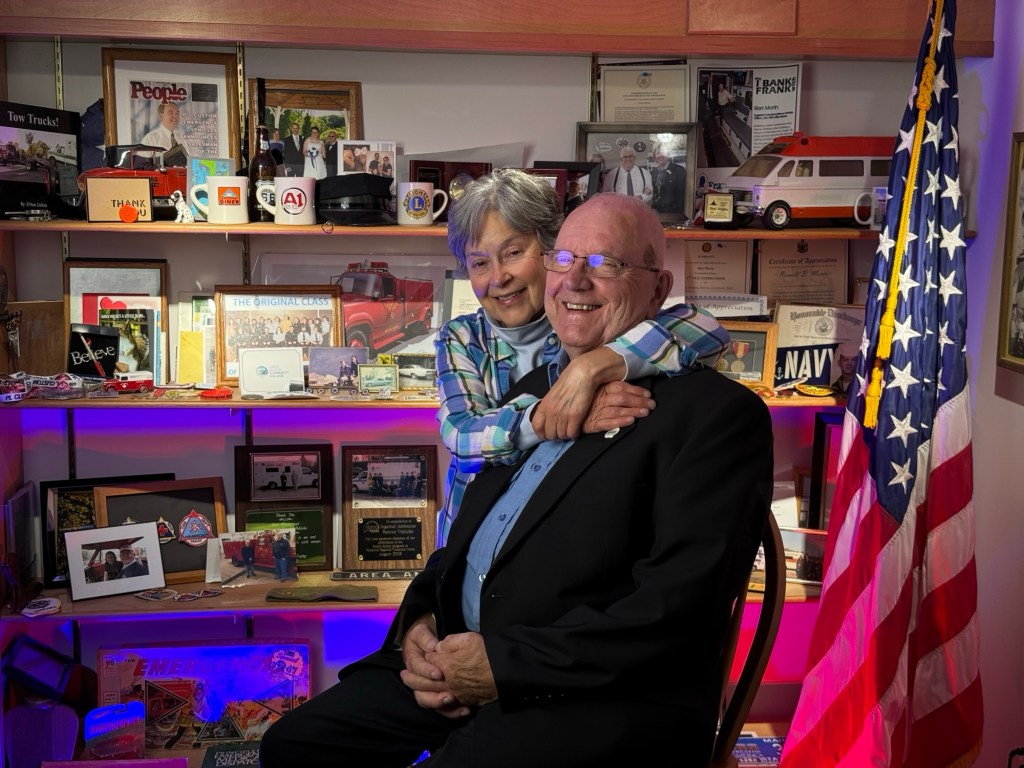
    Mentorship is a cornerstone of growth in any field, but in Emergency Medical Services (EMS), where the stakes are high and the learning curve is steep, it can be transformative. For me, mentorship came in the form of Ron Morin—a pioneer in Maine EMS whose career spanned over four decades, starting with the state’s very first paramedic program. His passion for the field didn’t stop with patient care; it extended to ambulance design, regional sales, education, and advocacy. But our story didn’t begin in the thick of his career. It started after Ron and his wife Becky, a paramedic and nurse practitioner, had retired—a time when I was just starting my journey as an EMT.

    At the time, I was still figuring out my path in healthcare and emergency medicine. Meeting Ron and Becky couldn’t have come at a better time. Their thoughtful guidance, experience, and unwavering encouragement became a steadying force in my life. As our relationship grew, so did the depth of their impact on me. Today, I’m proud to call them my chosen grandparents—a title they’ve earned through years of offering love, support, and wisdom.

    A New Chapter: Touring and Writing with Ron

    One of the most rewarding aspects of my mentorship with Ron has been our work together on the Squad 51 History and Education Project, his nonprofit educational initiative. Touring the Northeast with Ron, we’ve worked to inspire new generations of EMS professionals and connect with seasoned veterans who grew up watching the iconic show Emergency! These trips have been more than just professional opportunities—they’ve been lessons in history, community, and the evolution of EMS.

    In 2023, our collaboration deepened when I began working on Ron’s autobiography. As I transcribed his stories, I gained insight into the origins of 911 services in rural Maine, the challenges faced by early paramedics, and the profound dedication it takes to build a system that saves lives. Beyond his professional journey, I’ve learned about the enduring love and partnership he shares with Becky, the resilience they’ve shown through life’s challenges, and their tireless commitment to the EMS community.

    What Ron Taught Me About Mentorship

    Ron’s mentorship has been a masterclass in patience, perspective, and humility. He’s taught me that no matter how advanced our tools or protocols become, EMS is ultimately about people—about their stories, struggles, and triumphs. His advice has helped me become not just a better EMT, but a more compassionate and grounded healthcare provider.

    One of the most profound lessons I’ve learned is the importance of listening—really listening. Whether it’s a patient in crisis, a colleague in need of support, or the wisdom of someone who’s been in the field for decades, listening creates the space for growth and connection.

    It’s also because of Ron and Becky’s encouragement that I found the courage to start this blog, Mind Over Mayday. Sharing my story and advocating for first responder mental health wouldn’t have been possible without their belief in me.

    Why You Should Seek a Mentor in EMS

    Mentorship in EMS isn’t just about passing down technical knowledge; it’s about building relationships that challenge, support, and inspire. Here are a few reasons why finding a mentor could change your career—and your life:

    1. Perspective: Mentors like Ron bring a wealth of experience that helps put the challenges of the job into context. Their stories remind us why we chose this field in the first place.

    2. Guidance: A mentor can help you navigate career decisions, refine your skills, and avoid common pitfalls.

    3. Support: The demands of EMS can be overwhelming, but having someone who understands the unique stressors of the job can make all the difference.

    4. Connection to the Past: Learning from those who’ve shaped the field connects us to its history and inspires us to contribute to its future.

    Honoring the “Dinosaurs” of EMS

    Too often, the wisdom of EMS veterans is overlooked in a field that’s constantly evolving. But the so-called “dinosaurs” of EMS have a depth of knowledge and perspective that no textbook or protocol manual can provide. Their stories are a reminder of how far we’ve come—and how much we still have to learn.

    For me, Ron and Becky have been that bridge between the past and the future, showing me what it means to dedicate your life to a calling. Their mentorship has shaped my career and my perspective, and I’ll forever be grateful for the lessons they’ve taught me.

    So, if you’re new to EMS—or even if you’re not—find a mentor. Seek out someone who inspires you, challenges you, and helps you grow. And when the time comes, pass that knowledge along. Because mentorship isn’t just about becoming better at what you do; it’s about ensuring the next generation is even stronger.

    To Ron and Becky—thank you for everything. Your impact on my life and my career is immeasurable, and I hope to honor it by continuing to learn, grow, and give back.
  • Vicarious Resilience: Finding Strength Through Stories of Survival

    Vicarious Resilience: Finding Strength Through Stories of Survival

    As first responders, we are often exposed to some of the most challenging moments in people’s lives. The emergencies we encounter can weigh heavily on us, leaving behind an emotional residue that is difficult to process. Yet, amidst the chaos and heartbreak, there is a profound gift: the ability to witness resilience.

    Vicarious resilience, a concept born from the field of trauma therapy, refers to the strength and healing we gain by observing others overcome adversity. For first responders, this can take many forms—watching a patient fight for their life and recover, seeing families come together during crises, or learning from colleagues who persevere despite the hardships of the job. These stories serve as powerful reminders of human strength, giving us the hope and courage to continue showing up, no matter how difficult the day may be.

    The Transformative Power of Resilience

    Each shift presents us with moments where resilience is on full display. It could be a child smiling through pain, a survivor expressing gratitude, or a colleague standing tall after enduring unimaginable challenges. These experiences are not just fleeting snapshots—they have the potential to inspire personal growth, foster empathy, and build a sense of purpose.

    Vicarious resilience is a vital antidote to the emotional toll of our work. It shifts the narrative from despair to hope, reminding us that even in the darkest moments, there is light. When we allow ourselves to absorb these stories, they can become tools for our own healing.

    Introducing: Stories of Strength—A New Interview Series

    To further explore the impact of resilience in the first responder community, I’m excited to announce a new blog series: Stories of Strength: Interviews with First Responders and Survivors.

    In this series, I’ll sit down with professionals from the field and individuals who have endured and overcome significant challenges. Together, we’ll discuss the moments that shaped their journeys, the lessons they’ve learned, and how their experiences can inspire hope and healing in others.

    Through these interviews, my goal is to create a space where we can celebrate resilience in all its forms. By sharing these stories, I hope to offer readers—whether they are first responders, mental health advocates, or anyone facing their own battles—a source of comfort, encouragement, and perspective.

    Finding Your Own Resilience

    Witnessing the resilience of others is a gift, but it is equally important to recognize your own strength. Each time you show up for a call, comfort a patient, or support your peers, you are embodying resilience. Take time to honor that within yourself.

    As we move forward with this series, I invite you to join me on this journey of discovery and growth. Let’s shine a light on the incredible strength within our community and use these stories as stepping stones toward healing and hope.

    Stay tuned for the first interview in the series—it’s a story you won’t want to miss.

    Together, let’s find strength in the resilience around us and within us.

  • The Emotional Backpack: What We Carry Home After Every Shift

    The Emotional Backpack: What We Carry Home After Every Shift

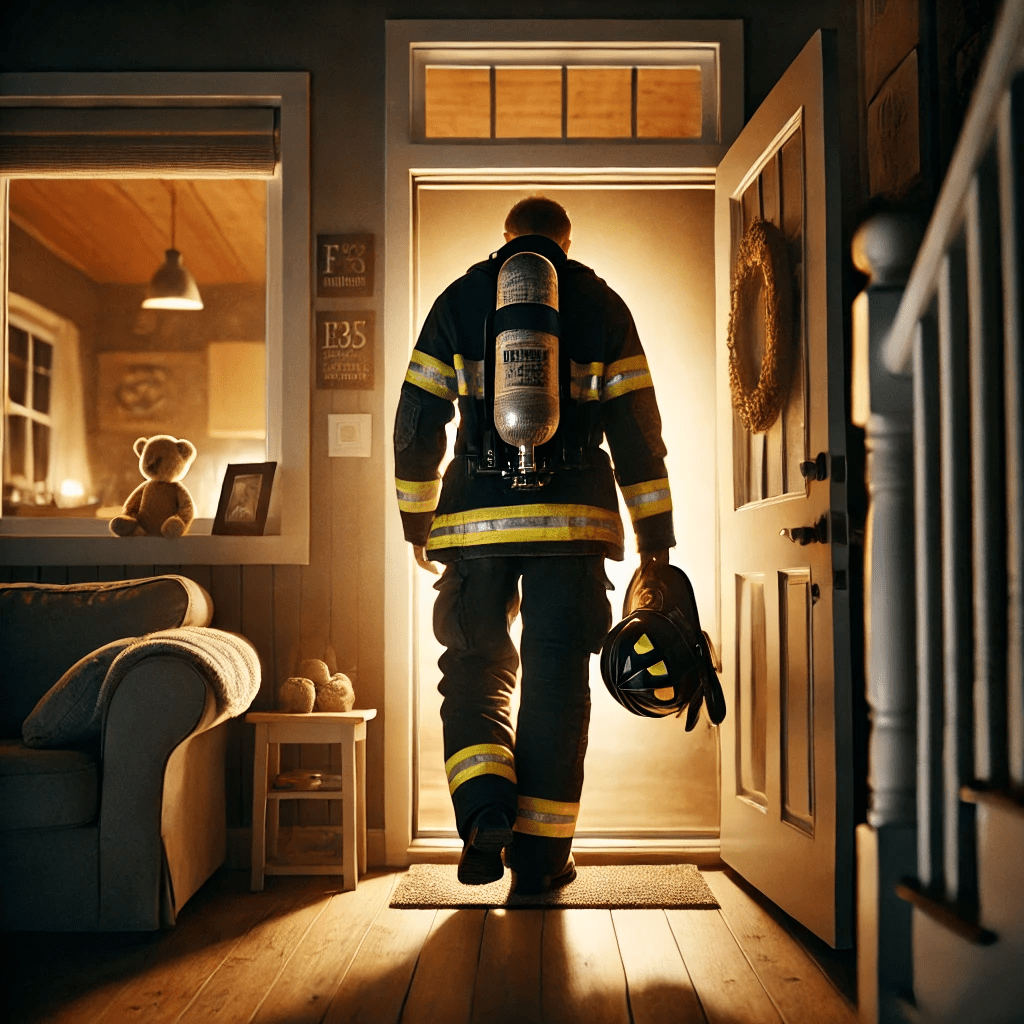
    Every first responder knows the feeling of coming home after a tough shift—the weight that follows you through the door, the mental replay of a critical call, or the silence that fills the space where words fail. This invisible weight, often referred to as “emotional residue,” builds up over time, creating what I call The Emotional Backpack.

    We may not realize how full that backpack is until it spills over, affecting not just our well-being but also our personal relationships.

    What’s in the Backpack?

    Each call we respond to leaves something behind. For some, it’s the heartache of comforting a grieving family. For others, it’s the frustration of a chaotic scene or the stress of making split-second decisions. Even the calls that go “smoothly” can leave behind fatigue and emotional drain.

    We don’t leave these moments behind when we clock out. Instead, they come home with us, shaping how we interact with our loved ones. This can show up as:

    • Irritability or withdrawal: Small things may trigger disproportionate reactions, or we might disengage entirely.

    • Difficulty communicating: It’s not always easy to find the words to explain what we’ve been through—or to decide whether we want to share at all.

    • Emotional unavailability: Being emotionally drained at work can leave little energy for connection at home.

    Over time, this can create distance in our relationships, strain communication, and leave loved ones feeling shut out.

    How to Leave Work Stress at the Door

    While we can’t avoid the emotional impact of the job, we can take steps to manage how much of it we bring home. Here are some strategies to help lighten the load of that emotional backpack:

    1. Create a Transition Ritual

    Give yourself a buffer between work and home. This could be listening to music on the drive, taking a walk, or even sitting quietly for a few minutes before stepping inside. These moments of intentional transition can help you shift gears mentally and emotionally.

    2. Offload the Backpack

    Find ways to process what you’ve been through. Talk to a trusted colleague, write in a journal, or seek professional support if needed. Sharing your thoughts—even if only with yourself—can reduce their weight.

    3. Set Boundaries

    While it’s important to share parts of your workday with your loved ones, it’s equally important to protect your personal space from becoming an extension of your job. Be honest about your need to decompress, but also make space for meaningful connection.

    4. Practice Mindfulness

    Grounding techniques like deep breathing or meditation can help bring you into the present moment, reducing anxiety and helping you leave the intensity of work behind.

    5. Nurture Personal Connections

    Make a conscious effort to engage with your family or friends. Even small acts, like asking about their day or planning quality time, can strengthen bonds and remind you of the support system you have.

    6. Prioritize Self-Care

    Regular exercise, adequate sleep, and balanced nutrition are essential for maintaining emotional resilience. Self-care isn’t selfish—it’s necessary for showing up fully at work and at home.

    The Ripple Effect

    As first responders, we pride ourselves on being strong and dependable. But true strength comes from acknowledging the impact of the job and taking steps to manage it. When we learn to offload some of the emotional residue we carry, we’re not only helping ourselves—we’re showing up better for the people who matter most.

    Your emotional backpack doesn’t have to weigh you down. By practicing self-awareness, setting boundaries, and nurturing personal relationships, you can keep work stress from spilling into your home life, creating space for joy, connection, and peace.

    So, the next time you walk through your door, ask yourself: What am I carrying? And what can I set down?

  • Breaking Barriers: Women in the Fire Service

    Breaking Barriers: Women in the Fire Service

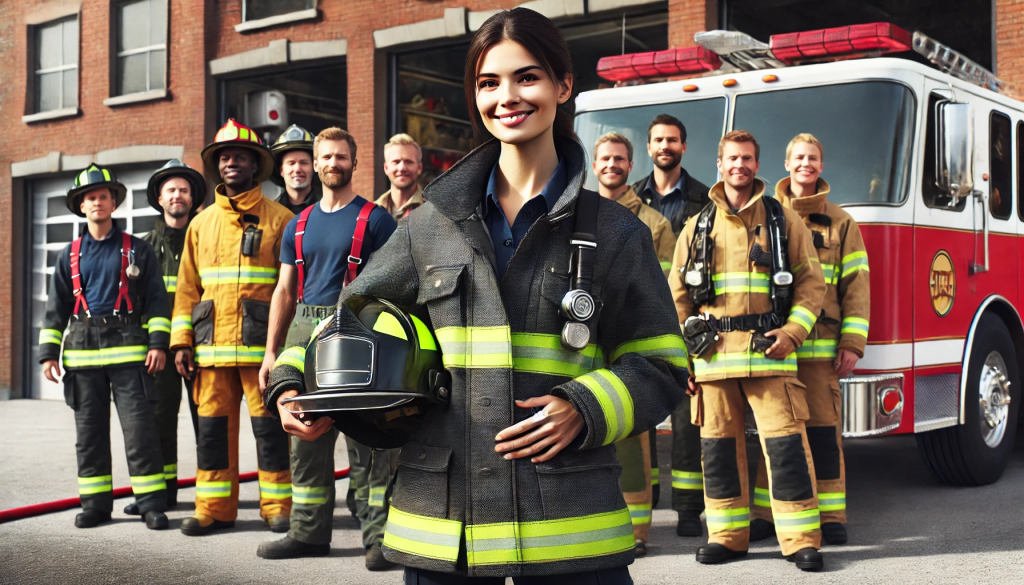
    The fire service has long been regarded as a male-dominated field, steeped in tradition and camaraderie. While these aspects make it unique, they also present challenges for women entering the profession. Women comprise only about 8% of firefighters in the United States, according to the National Fire Protection Association (NFPA). Yet, despite the barriers, women bring invaluable strengths to the table—both physical and mental—that enhance the fire service and benefit the communities we serve.

    Overcoming Challenges and Breaking Stereotypes

    Entering a male-dominated field often means working harder to prove your worth. Many women feel the pressure to perform at a higher standard, as they are often scrutinized more harshly than their male counterparts. This can lead to self-doubt, but it also fosters a determination to succeed. Personally, I’ve experienced this dynamic firsthand. When I joined the fire service, I faced criticism and hostility from some officers in one of my departments. These individuals frequently engaged in lewd conversations, scrutinized my work unfairly, and set me up to fail by assigning tasks without proper training or guidance. It was a difficult and toxic environment to navigate.

    However, not every department operates this way. I was fortunate to also serve in other departments where my skills and contributions were valued. These experiences taught me the importance of fostering welcoming environments where teamwork and mutual respect prevail. Ultimately, I chose to leave the toxic department and focus my efforts on places where I was encouraged to grow and thrive as a firefighter.

    The Strengths Women Bring to the Fire Service

    Women often excel in the fire service by leveraging unique strengths that complement the team dynamic. For example, being smaller in size can be an advantage in confined spaces during search-and-rescue operations. Additionally, women tend to excel in communication, empathy, and collaboration, which are essential traits in high-stress, team-oriented environments. The fire service thrives on true teamwork—everyone bringing their strengths to the table to accomplish a shared mission.

    Studies also suggest that diverse teams perform better in high-pressure situations. A 2020 report from McKinsey & Company found that diverse workplaces are 35% more likely to outperform their peers. In the fire service, this translates to better problem-solving, more innovative solutions, and ultimately, improved outcomes for the communities we serve.

    Inspired by Women Who Paved the Way

    My Aunt, a career firefighter/paramedic, was one of my earliest role models. Her dedication, resilience, and professionalism inspired me to pursue a career in the fire service and to be the best version of myself. Watching her navigate the challenges of the job while maintaining her integrity and compassion gave me a roadmap for success.

    Her example also taught me the value of mentorship and support. It is critical for women entering male-dominated fields to seek out allies and role models who can provide guidance, encouragement, and wisdom. The fire service, like any other profession, is only as strong as the people within it. By lifting each other up, we ensure the safety and success of the entire team.

    Moving Forward: Creating a More Inclusive Fire Service

    While progress has been made, there is still work to do to create a more inclusive fire service. Departments must prioritize fostering respectful, welcoming environments where all firefighters—regardless of gender—can thrive. Leadership plays a crucial role in setting the tone and addressing toxic behaviors. When women feel supported, they can contribute to their full potential, enhancing the effectiveness of the entire team.

    For those entering the fire service, my advice is to stay true to yourself, seek out departments and leaders who value your contributions, and never stop advocating for better mental health and workplace culture. The fire service is built on trust, respect, and teamwork—qualities that transcend gender and unite us in our shared mission to serve and protect.

    As women in the fire service, we may face unique challenges, but we also have unique strengths. By breaking barriers and shattering stereotypes, we pave the way for the next generation of women firefighters, creating a stronger, more inclusive fire service for all.

  • National Legislative Efforts for First Responder Mental Health: Why We Must Keep Raising Our Voices

    National Legislative Efforts for First Responder Mental Health: Why We Must Keep Raising Our Voices

    First responders are the backbone of our communities, showing up during our worst moments to protect, heal, and save lives. Yet, the toll of witnessing trauma and carrying the weight of those experiences is often overlooked. Despite the undeniable need, resources for mental health support remain inadequate. Thankfully, there are growing efforts at the national level to address these issues, but it’s up to us to ensure they don’t fall through the cracks.

    In a previous post, I discussed how first responders can engage in policy advocacy to create meaningful change. Now, let’s dive into the current legislative efforts and why your voice is crucial in pushing these initiatives forward.

    Current Legislative Efforts

    1. First Responders Wellness Act

    Introduced in July 2024 by Senators Kirsten Gillibrand (D-NY) and Josh Hawley (R-MO), this bipartisan bill proposes the creation of a grant program to enhance mental health services for first responders. It also includes the establishment of a national mental health hotline specifically for law enforcement officers, firefighters, EMTs, and others on the frontlines.

    Current Status: The bill has been referred to the Committee on the Judiciary, where it awaits further review.

    2. CARE for First Responders Act (H.R.6415)

    Introduced in the House in November 2023, this bill seeks to provide specialized mental health, substance abuse, and crisis counseling services to first responders. The aim is to address the unique challenges these professionals face, including chronic stress and burnout.

    Current Status: Referred to the Subcommittee on Economic Development, Public Buildings, and Emergency Management for further discussion.

    3. Fighting Post-Traumatic Stress Disorder Act of 2023

    Reintroduced by Senator Chuck Grassley (R-IA) in early 2023, this legislation aims to establish programs designed to help first responders cope with the long-term effects of trauma, such as PTSD and depression.

    Current Status: Under consideration, with ongoing discussions about how to best implement and fund these programs.

    The Alarming Reality: Suicide Rates Among First Responders

    The mental health challenges faced by first responders are profound, with suicide rates notably higher than those of the general population. A study by the U.S. Fire Administration analyzing data from 2015 to 2017 found that first responders accounted for 1% of all suicides during that period. Within this group, 58% were law enforcement officers, 21% were firefighters, 18% were EMS providers, and 2% were public safety telecommunicators.

    Further research indicates that 37% of fire and EMS professionals have contemplated suicide, a rate nearly ten times higher than that of American adults. A 2018 white paper by the Ruderman Family Foundation revealed that police officers and firefighters are more likely to die by suicide than in the line of duty.

    These statistics underscore the urgent need for comprehensive mental health support tailored to the unique challenges faced by first responders.

    The Need for Continued Advocacy

    Legislative efforts like these are an incredible step forward, but they can’t stop here. Bills like the First Responders Wellness Act and the CARE for First Responders Act are only the beginning. To make real change, we need to ensure these efforts are not only passed but also expanded upon and adequately funded.

    Mental health is not a luxury—it’s a necessity for the longevity and well-being of the people who protect us. Without proper support, first responders face increased risks of burnout, PTSD, depression, substance use, and even suicide.

    What Can We Do?

    As I’ve shared before, first responders have a unique and powerful voice in policy advocacy. Here’s how we can ensure these bills move forward and inspire further action:

    1. Contact Your Representatives

    Share your story and explain why these bills matter. Personal accounts from first responders carry immense weight in demonstrating the need for change.

    2. Raise Awareness

    Use your platform, whether it’s social media, local meetings, or community events, to inform others about these legislative efforts.

    3. Collaborate

    Partner with advocacy organizations focused on first responder mental health. Groups like the National Alliance on Mental Illness (NAMI) and local firefighter and EMS unions are often at the forefront of these battles.

    4. Stay Engaged

    Track the progress of these bills and hold your representatives accountable. If progress stalls, follow up.

    A Call to Action

    The time for action is now. Legislative momentum can waver without visible public support. It’s up to us to keep the conversation alive, push for better mental health resources, and ensure that the government invests in the well-being of first responders.

    We must continue to demand more—not just for the passage of these bills, but for the expansion and funding of mental health initiatives across the board. When we advocate for ourselves and our peers, we create a safer, healthier future for everyone.

    Let’s raise our voices together and ensure that these critical efforts become law. The well-being of our first responders depends on it.

    If you’re unsure where to start with policy advocacy, check out my previous post on how first responders can get involved. Let’s make our voices heard!

  • Why We Keep Showing Up: Exploring the Deep Sense of Purpose and Pride in First Responder Work

    Why We Keep Showing Up: Exploring the Deep Sense of Purpose and Pride in First Responder Work

    Imagine a world without the 911 system. A world where emergencies relied on word-of-mouth or outdated technology, with response times stretching into hours instead of minutes. It’s not some far-off dystopian concept—this was reality less than a century ago.

    In Maine, the 911 system as we know it today only came into existence in the 1970s. Before that, the state relied on what was called the “red phone system.” Red phones, located in specific public locations, were hardwired to contact a trained responder’s home directly. There were no cell phones, no coordinated networks—just landlines and limited accessibility.

    In those days, people were far more likely to die before reaching medical care. Fires destroyed homes more frequently because of delayed response times and limited resources. And yet, first responders stepped up, even in those challenging conditions. They became a lifeline, often volunteering their time to serve their communities because they understood the stakes.

    Flash forward to today: technology has advanced, our equipment has improved, and the 911 system is a highly coordinated network capable of dispatching fire, police, and EMS to nearly any corner of the country. But our system is under immense pressure.

    With a wave of retirements looming and fewer individuals interested in entering the field, the future of emergency response looks uncertain. Those who do step into first responder roles often leave after only a few years, disillusioned by low pay, high stress, and a job that rarely matches the glorified image portrayed in movies or TV shows. Many never fully understand what keeps those of us who stay going.

    So, why do we keep showing up?

    Because Lives Depend on It

    Every call has the potential to save a life. Whether it’s reviving someone in cardiac arrest, pulling a child from a burning building, or simply being a reassuring presence in someone’s darkest hour, the work we do matters. We see firsthand what happens when help doesn’t arrive in time—and that knowledge fuels our drive.

    Because It’s Who We Are

    First responders share a unique bond, rooted in a sense of duty and purpose. We’re not just responding to emergencies; we’re showing up for our communities in their most vulnerable moments. That sense of responsibility becomes a part of who we are.

    Because We Believe in a Greater Good

    Even in a system stretched to its limits, we show up because we know the alternative is unacceptable. The thought of a world where 911 calls go unanswered or delayed for hours is unfathomable. We believe in protecting the system that has become a lifeline for so many.

    Because We’re Proud of Our Legacy

    First response is a tradition. For decades, people have stepped up to serve in this field, often at great personal cost. We carry that torch, honoring the sacrifices of those who came before us.

    Because We’re Not Done Fighting

    Yes, there are challenges—staffing shortages, burnout, and a lack of resources. But for those of us who stay, there’s a drive to be part of the solution. We want to leave this field better than we found it, to advocate for change, and to inspire the next generation of responders to pick up where we leave off.

    The Road Ahead

    The future of emergency response is at a crossroads. Without intervention—better pay, better mental health support, and better recruitment efforts—the system could face collapse. But if we’ve learned anything from history, it’s that first responders have always risen to the challenge.

    To those of you considering this field: It won’t be easy, but it will be worth it. You’ll find a sense of purpose unlike anything else. And you’ll join a community of people who show up, day after day, not because it’s easy, but because it’s needed.

    For those of us already in the field, let this be a reminder: what we do matters. We are part of something greater than ourselves.

    And that’s why we keep showing up.

  • Support Systems: How My Recovery and Careers Intersect with Community and Mentorship

    Support Systems: How My Recovery and Careers Intersect with Community and Mentorship

    As I reflect on my journey through recovery and my career as a first responder and healthcare professional, one common thread runs throughout: the importance of a solid support system. My success in both arenas—recovery and my professional life—has been shaped, nurtured, and uplifted by the mentors and community that surround me. From recovery groups to colleagues, friends, and mentors, these relationships have been key to my growth and healing, as well as to my ability to excel in a high-pressure environment where mental health often takes a backseat.

    The Role of Mentorship in Recovery and Career

    Recovery is not a journey taken alone, and neither is a career in first response or healthcare. I have been fortunate to have a group of individuals who have guided me through the rough patches, supported me through the trials, and celebrated my victories—no matter how small they might have seemed.

    One of my most influential mentors is Ron Morin, often referred to as “The Grandfather of EMS in Maine.” Ron has not only shared his invaluable knowledge and experience but has also offered personal guidance, helping me navigate the complexities of the EMS world and the challenges that come with it. His mentorship has extended beyond the technical and professional, touching on the personal aspects of resilience and perseverance in the face of adversity.

    Equally important is my counselor, the clinical director at Recovery Connections of Maine. He has been a constant source of support as I work through the emotional aspects of recovery. His ability to provide a safe, non-judgmental space for me to process my experiences has been crucial in helping me stay grounded and focused on my healing. This safe space has allowed me to dig deeper into the roots of my struggles and has provided me with the tools to continue moving forward.

    I also owe a great deal to my life coach, Jenny Sheriff, who wears many hats as a charge nurse in the Emergency Department and a former paramedic. Jenny has been instrumental in helping me find balance and clarity in my work and personal life. Her perspective, both as a healthcare professional and a person with her own wellness journey, has provided invaluable insight into managing stress, expectations, and self-care. She reminds me of the importance of staying centered amidst the chaos, something that is often difficult to do in our line of work.

    On a more personal level, I am blessed to have a close-knit circle of friends and colleagues who have become my emotional support system. My best friend Sadie, who is a Psychiatric Nurse Practitioner practicing in the state of Maine, has been more like a sister to me through all of my ups and downs. She has patiently stood by me through trials and tribulations, and provides her keen insight on medication management and the mental health system as a whole. Barbara, a colleague and close friend, is always there to lift me up, especially during tough times. Our shared faith and the prayerful moments we’ve spent together have been a deep source of comfort and strength. And then there’s Graham—my partner. His unwavering love and encouragement are a constant motivator, pushing me to strive for my fullest potential, both in recovery and in my career, and to love myself every step of the way.

    I would be remiss if I didn’t mention the most significant influence in my life: my Mother. Her resilience in the face of adversity set the tone for everything I would come to face. It is from her that I inherited my stubborn optimism and my unwillingness to give up, even in times of struggle. Watching her handle life’s challenges with grace and strength shaped my own outlook on overcoming hardship. She taught me that no matter how hard the road gets, there is always a way forward. Her example continues to guide me in my recovery and in my professional life, reminding me that resilience is something we can all cultivate, no matter the circumstances.

    Building Your Own Support System: Advice for Others

    If there is one thing I have learned along the way, it’s that a strong support system is non-negotiable. If you are in recovery, a first responder, or healthcare worker, or if you are navigating any of life’s challenges, seeking out mentors and building a support network is essential.

    Start by identifying the people who inspire you—those who show up, not just in your moments of success but also in your moments of struggle. Look for individuals who challenge you to grow, who hold you accountable, and who lift you up when you feel like giving up. It’s okay to be vulnerable and open with those who have walked a similar path, as their experiences and guidance can make all the difference.

    In my own journey, the recovery community has played a crucial role. Attending recovery meetings, participating in group therapy, and being part of peer support networks have all given me the opportunity to connect with others who understand the struggle. These meetings have provided a space to share, listen, and learn from others, reinforcing the idea that I am never alone in my experiences. Having access to individual therapy and psychiatry has been just as vital. My psychiatrist, for example, creates a collaborative environment where I can discuss my medications and lifestyle changes in detail, always ensuring that my mental health is prioritized and that we are working together to find the best solutions for my well-being.

    The Power of Community

    In addition to my mentors, I am deeply inspired by the many individuals I work with in both the recovery and healthcare fields. I am constantly motivated by my colleagues in the Emergency Department—doctors, nurses, EMTs, and paramedics—who set incredibly high standards for themselves and for their patient care. Their dedication, work ethic, and commitment to excellence challenges me to raise the bar in my own work and recovery.

    Similarly, I find inspiration in the recovery community. So many individuals extend themselves beyond what might seem realistic—juggling service to others, family responsibilities, and their own recovery journeys with grace and commitment. This willingness to put in the work, even when it’s difficult, reinforces the importance of community and accountability in maintaining long-term recovery.

    Conclusion: The Intersection of Recovery and Career

    When I think about the intersection of my recovery and my career, I realize that both have grown and flourished because of the support systems I’ve surrounded myself with. It is these people—my mentors, colleagues, friends, family, and especially my mother—who have shown me that success in recovery and career is not about doing it alone. It’s about building a community, seeking guidance when needed, and being willing to lean on others when the road gets tough.

    For me, finding faith in a Higher Power has also been instrumental to maintaining my recovery. In times of struggle, when the pressure feels overwhelming, it is my faith that strengthens me and gives me the courage to keep moving forward. The quiet moments I spend in prayer after a particularly hard day help me process the emotional weight of my work and personal experiences. Without this faith, I would not be able to deal with the difficult realities of my job, especially in handling the deceased in my role at the hospital. It is through this faith that I find the strength to do this deeply emotional work, knowing that I am not alone.

    For anyone who is on a similar journey—whether in recovery or in their professional life—know that mentorship, community, and faith are key. Seek out those who inspire you, who challenge you, and who offer support. You don’t have to do it alone.