Tag: community

  • A Shift in Mindset: Rethinking How We Use Healthcare and Emergency Services

    A Shift in Mindset: Rethinking How We Use Healthcare and Emergency Services

    At Mind Over Mayday, we focus on understanding the complex challenges that contribute to the stress and mental health struggles faced by first responders and healthcare providers. One of the greatest sources of this stress comes from the overwhelming demand placed on emergency services by patients seeking care that could often be addressed at lower levels of the healthcare system. In this post, I aim to explore this issue with sensitivity and balance. This is not intended to create division or foster unhealthy dialogue between healthcare providers and consumers. Instead, I seek to validate the shared frustrations of both groups and offer a starting point for solutions—grounded in education, collaboration, and greater transparency. By addressing these challenges together, we can move toward a system that alleviates stress for providers while ensuring patients receive the right care at the right time.

    From my experiences on both sides of the healthcare system—as an EMT in the field and as a technician in the emergency department of one of Maine’s largest hospitals—I’ve noticed a troubling pattern in how healthcare is sought and utilized. It’s a pattern that contributes to the overburdening of emergency services, and if we want a system that works efficiently for everyone, I believe it’s time for an important dialogue.

    Let me begin by assuring you that my observations come not from a place of judgment but from a perspective of both healthcare provider and healthcare consumer. I’ve been on both sides of the insurance spectrum: at one point covered by state-funded insurance (Mainecare) and now with private insurance. Both systems serve critical roles, but they shape the way we approach healthcare very differently.

    When I was on Mainecare, I had no out-of-pocket costs for any medical services. In theory, this should have been a great thing—it meant access to care without financial barriers. However, this also influenced how I accessed care. I often sought immediate and high-level care because, in practical terms, all options were “equal.” There was no financial incentive to weigh whether I should visit primary care, urgent care, or the emergency department; they all seemed like valid options in a moment of need.

    Now, with private insurance, I experience healthcare differently. I have to weigh costs carefully because I face varying copays: $25 for a primary care visit, $75 for urgent care, and $150 for an emergency room visit. This naturally makes me more selective. For non-emergent issues, I’m inclined to start with home remedies, over-the-counter options, or seek advice from lower-cost providers. The recent itemized bill from a minor surgery—$16,000, of which I had to cover $566—reminded me how costly healthcare can be. It’s a level of transparency and accountability that isn’t part of the experience for those covered fully by state insurance.

    This isn’t a criticism of those on state-funded insurance. In many ways, the system unintentionally disempowers patients by shielding them from the financial realities of healthcare. Without a full understanding of how services are billed and prioritized, people may not realize the strain that frequent emergency department visits place on the system. They may also not understand that arriving by ambulance doesn’t guarantee faster care—emergency rooms prioritize patients based on acuity, not arrival time or method.

    This lack of understanding often leads to frustration and dissatisfaction. Emergency departments are overwhelmed by non-urgent cases—patients seeking COVID-19 or flu testing, treatment for minor infections, or management of chronic conditions. These cases could often be handled more efficiently at primary care or urgent care centers, but many people either don’t realize this or face barriers to accessing these alternatives.

    So where do we go from here? The solution isn’t as simple as reducing access to care by adding copays for state-funded insurance. That would only create new barriers for people who already struggle to access care. Instead, we need a twofold approach:

    1. Enhanced public health education: We must teach people how to navigate the healthcare system effectively—what services to seek and when. This includes explaining how emergency departments operate and promoting the role of primary care and prevention.
    2. Systemic transparency: Patients, regardless of insurance type, should have access to clearer information about the costs and processes involved in their care. An informed patient is an empowered patient, better equipped to make thoughtful decisions about their health.

    The conversation around healthcare access and emergency service use needs to shift toward collaboration and education. Healthcare workers, public health officials, policymakers, and community leaders must come together to create a more efficient, compassionate, and sustainable system.

    To my readers who are healthcare consumers and providers alike: What are your thoughts on this? What changes would you like to see in how we educate and empower patients? Let’s open this dialogue and work toward solutions that benefit us all.

  • A Purpose Greater Than Fear

    A Purpose Greater Than Fear

    It’s not just the weight of the turnout gear or uniform,

    You carry the world like it’s something you were born for.

    The burden of sadness, running into the madness.

    Your aim to care, perhaps to save, but always to be there.

    You answer the call, minutes pass, you give your all.

    What others would fear, you exclusively draw near.

    The answers unknown, you doff your clothes and go home.


    There is never enough time, for yours or for mine.

    Our families, they know, when we’re called we must go.

    We collect ourselves all the same,

    Same mindsets, long days, same name.

    First responders, we have what it takes.

    The risk assessments, chaos management, high stakes.


    For us, it’s not just a job, it’s a calling.

    Afraid to call out, not afraid of falling.

    We know what happens when we’re not there,

    When one is lost, it’s a cross that we bear.

    In moments of crisis, we hear the cry for help,

    We put our training to the test, we do our work well.


    Say a silent prayer when you turn in for the night,

    Lest you forget, it’s for you we fight.

    Never forget we train to serve,

    Especially the calls when we’re lost for words.

    We will always do our best

    There’s no greater purpose than putting ourselves to the test.

  • A New Year, A Renewed Mission: 2025 Goals for Mind Over Mayday

    A New Year, A Renewed Mission: 2025 Goals for Mind Over Mayday

    As we step into 2025, I’m filled with gratitude for the journey so far and excitement for what lies ahead. Mind Over Mayday has become more than a blog—it’s a community, a conversation, and a space where first responders can find understanding, support, and encouragement. This year, my mission is clearer than ever: to advocate, inspire, and empower those navigating the often-overwhelming realities of life on the front lines.

    Reflecting on the Journey

    2024 was a year of growth, both personally and for the blog. I shared stories of resilience, loss, and healing, opening up conversations about the mental health challenges we face as first responders. I attended events, honored fallen heroes with the Maine EMS Honor Guard, and connected with so many of you who shared your stories with me. These moments solidified my belief that we need to keep the dialogue around mental health alive and growing.

    This mission is deeply personal. As a suicide attempt survivor, someone in long-term recovery, and a first responder, I know how critical it is to have support, understanding, and resources when navigating the mental and emotional weight of this work. It’s my goal to make Mind Over Mayday a resource that first responders turn to when they need connection, guidance, or simply a reminder that they’re not alone.

    Goals for Mind Over Mayday in 2025

    1. Expand Reach and Connection

    This year, I want to reach even more first responders. That means:

    • Partnering with organizations that share the mission of supporting mental health for first responders.
    • Attending conferences and events to spread the word about Mind Over Mayday.
    • Growing our online presence through social media, newsletters, and interactive content.

    I want Mind Over Mayday to become a place where first responders know they can find tools, resources, and community whenever they need it.

    2. Offer Practical Tools for Healing

    It’s one thing to talk about mental health; it’s another to equip people with actionable tools. This year, I aim to create:

    • A free downloadable resource guide with tips for processing trauma, building resilience, and maintaining mental health.
    • A series of blog posts highlighting proven techniques, from mindfulness practices to physical health strategies that support mental wellness.
    • Online workshops or webinars designed to help first responders navigate stress and trauma in real time.

    3. Elevate Voices in the Community

    Every first responder has a story, and every story matters. In 2025, I want to feature more guest contributors on Mind Over Mayday. Whether it’s a fellow EMT, firefighter, police officer, or dispatcher, this blog will continue to showcase the voices of those on the front lines. Sharing our stories helps break down stigma and reminds us all that we’re stronger together.

    4. Advocate for Systemic Change

    While individual support is crucial, the bigger picture matters too. This year, I want to advocate for improved access to mental health resources for first responders. That means:

    • Collaborating with local and national organizations to push for better policies and funding for first responder mental health.
    • Highlighting the gaps in the system and offering solutions through my blog and public speaking opportunities.
    • Continuing to normalize therapy, peer support, and other tools for mental health within our community.

    5. Inspire Through Vulnerability

    My personal journey is the heart of Mind Over Mayday. This year, I’ll continue to share openly about my experiences with sobriety, recovery, and the challenges of life as a first responder. Vulnerability is a superpower, and I hope that by being honest about my struggles and victories, others will feel empowered to do the same.

    Building a Stronger Future

    2025 is about more than just goals—it’s about creating a safer, more supportive world for first responders. It’s about leaving the job better than I found it and ensuring that the next generation of EMS professionals, firefighters, and police officers have the resources they need to thrive.

    This blog isn’t just about me; it’s about us. Every story shared, every conversation started, and every life touched is a step toward a stronger, healthier community.

    Thank you for being part of this journey. Your support means the world to me, and I’m excited to see what we can accomplish together in 2025. Let’s make this year one of growth, healing, and hope—for ourselves and for the people we serve.

    What are your goals for the new year? Let’s start the conversation. Together, we can make a difference.

    – Lacey Sawyer
    Mind Over Mayday

  • Is There a God? How Finding My Belief in a Higher Power Reshaped My Practice

    Is There a God? How Finding My Belief in a Higher Power Reshaped My Practice

    When I first entered the world of recovery, the phrase “Higher Power” felt foreign, almost unapproachable. In the early days of working a 12-step program, I wrestled with the idea of surrendering to something greater than myself. As someone who had relied on grit, resilience, and control to navigate life’s challenges, the concept of letting go felt like a contradiction to everything I knew. But I was desperate for change, and that desperation became the fertile ground where my understanding of a Higher Power began to grow.

    In the beginning, my Higher Power wasn’t a deity or a cosmic force. It was the people I trusted. My sponsor, the community of recovery meetings, and the friends who believed in something greater than themselves—they became the scaffolding for my faith. I borrowed their belief when I didn’t have any of my own. Their stories of surrender, resilience, and hope were my foundation. They reminded me that I didn’t have to know all the answers, and that simply trusting the process was enough to start.

    Over time, as I moved through the steps, something began to shift. It wasn’t an overnight revelation but a gradual awakening. I began to notice how prayer and meditation opened doors within me that I didn’t know existed. My prayers were simple at first: a whispered plea for strength or a moment of gratitude for getting through another day sober. Meditation, too, was a challenge initially—my thoughts raced, and silence felt intimidating. But as I continued to show up for those practices, I started to feel a connection I couldn’t explain. It was as if the act of seeking created a space for grace to enter.

    Around this time, I picked up Eckhart Tolle’s A New Earth. The book articulated something I had started to sense but couldn’t yet put into words: the idea that we are all connected, both to each other and to a universal Oneness. Tolle’s exploration of ego, presence, and interconnectedness resonated deeply with me. It wasn’t just about finding peace within myself; it was about understanding that I’m part of something much larger. This realization didn’t diminish my individuality—it gave it purpose. I began to see the divine not as a distant figure but as the thread that weaves through all of existence, connecting us in ways both visible and unseen.

    Today, my belief in a Higher Power is an integral part of my daily life. Prayer and meditation are no longer just tools for coping; they are ways to align myself with that universal Oneness. Through them, I’ve come to see life as purposeful, even when it’s painful. Tragedy, I believe, is not without meaning. It creates opportunities for those who experience loss to transform their healing journeys into sources of strength and connection. When I reflect on the hardest moments of my life, I see how they have shaped my ability to empathize with others. My pain has given me the language to connect, the wisdom to guide, and the courage to share my story.

    This belief in a Higher Power has reshaped not just my recovery but my entire approach to life. I no longer see challenges as obstacles to be conquered but as opportunities to grow and connect. I believe we are here to support one another, to learn from each other, and to contribute to the collective healing of the world. This perspective has not only deepened my personal practice but has also informed how I approach my work, my relationships, and my advocacy for mental health and first responders.

    If you’re struggling with the idea of a Higher Power, I want you to know that it’s okay to start small. Borrow the faith of others if you need to. Begin with curiosity rather than certainty. And trust that the journey itself will reveal what you need to know, one step at a time. For me, finding a Higher Power wasn’t about adopting someone else’s definition of God; it was about discovering the divine within myself and the world around me. That discovery continues to shape me, and for that, I am profoundly grateful.

  • New Year, New You: Strategies for Overcoming Trauma, Reducing Stress, and Cultivating Mental Resilience in 2025

    New Year, New You: Strategies for Overcoming Trauma, Reducing Stress, and Cultivating Mental Resilience in 2025


    Introduction:

    The new year holds the promise of fresh beginnings and renewed hope, but for many of us, it can also feel like a daunting reminder of the unresolved struggles we carry. As first responders and individuals in high-stress roles, the toll of trauma and stress doesn’t reset with the calendar. However, the start of a new year offers a unique opportunity to recommit to ourselves—to our healing, our growth, and our resilience.

    Mental resilience isn’t about erasing the past; it’s about learning how to carry it more lightly. It’s about equipping ourselves with tools and strategies to face the challenges ahead, not from a place of depletion, but from one of strength and renewal. Let this year be the one where you take actionable steps toward mental well-being. Here are some ideas to help you get started.


    1. Embrace the Power of Acknowledgment

    Before we can heal, we need to name what’s weighing us down. Trauma and stress often linger because they’re left unspoken or unattended. Reflecting on your experiences—whether through journaling, therapy, or open conversations—is a powerful act of acknowledgment. It’s a way of telling yourself that your experiences matter, that your feelings are valid, and that you deserve to heal.

    While acknowledging pain is not easy, it is a critical first step. Remember, healing isn’t about erasing the hurt; it’s about transforming your relationship with it. Start small by identifying moments in your life that feel unresolved and sit with them gently. Allow yourself to feel, process, and, when ready, move forward.


    2. Prioritize Rest and Recovery

    One of the most overlooked aspects of mental resilience is the importance of rest. For first responders, who are often running on adrenaline and caffeine, rest can feel like a luxury. But rest is a necessity, not an indulgence. It’s in these moments of stillness that our bodies and minds repair and restore.

    Consider your sleep hygiene. Are you giving yourself enough time to unwind after your shifts? Are you creating an environment conducive to restful sleep? Simple changes—like dimming the lights, avoiding screens before bed, or developing a consistent bedtime routine—can make a world of difference. And remember, recovery isn’t just about sleep; it’s about finding moments of peace throughout your day, whether through a five-minute meditation, a walk in nature, or quiet time with a loved one.


    3. Learn to Regulate Stress

    Stress is an inevitable part of life, but how we respond to it can change everything. Developing healthy ways to manage stress is a cornerstone of mental resilience. Start by recognizing your stressors. What situations or thoughts trigger feelings of overwhelm? Once identified, you can begin to address them with intentional practices.

    One effective way to regulate stress is through breathwork. When stress strikes, try the 4-7-8 breathing technique: inhale for four seconds, hold for seven, and exhale for eight. This simple exercise can help lower your heart rate and bring you back to the present moment.

    Other strategies include exercise, creative outlets like painting or writing, and even laughter. Yes, laughter is a form of stress relief! Don’t underestimate the power of humor to lighten your mental load.


    4. Set Intentions, Not Perfections

    New Year’s resolutions often come with an all-or-nothing mentality that can lead to burnout or guilt. Instead of setting rigid goals, focus on intentions that prioritize your mental health. For example, rather than resolving to “never feel stressed again” (an impossible standard), set the intention to “respond to stress in healthier ways.”

    Intentions allow for flexibility and growth, while perfectionism often sets us up for failure. Give yourself permission to try, fail, and try again. Resilience isn’t about avoiding setbacks; it’s about bouncing back from them with greater insight and determination.


    5. Foster Gratitude and Connection

    Resilience thrives in the soil of gratitude and connection. Take time each day to focus on what you’re grateful for, no matter how small. Gratitude shifts your perspective and reminds you of the good that exists alongside the challenges.

    Equally important is connection. Resilience is not a solo journey. Lean on your support system—friends, family, colleagues, or a trusted mentor. Vulnerability can feel uncomfortable, especially in professions where strength is often equated with stoicism. But true strength lies in knowing when to ask for help. Let this year be the one where you allow others to show up for you, just as you have shown up for them.


    6. Celebrate Small Wins

    Healing and growth are not linear processes. There will be days when you feel invincible and others when you feel like you’re back at square one. That’s okay. What matters is that you keep moving forward, even if the steps are small.

    Celebrate your progress, no matter how incremental it may seem. Did you take a moment to breathe deeply during a stressful call? Celebrate that. Did you reach out to a friend when you were feeling low? That’s a win. Each step you take is a testament to your strength and resilience.


    7. Utilize Resources Tailored to First Responders

    As first responders, we often feel the pressure to “tough it out” and carry on without addressing the mental toll of our work. But the truth is, we all need support sometimes—and it’s okay to reach out. This year, take advantage of resources specifically designed for people like us who face trauma and high-stress situations daily.

    One invaluable tool is the 24/7 Debrief Hotline and Peer Support offered by Mind the Frontline. This service provides immediate access to someone who understands what you’re going through. Whether you’ve just come off a difficult call, need to process something that’s been weighing on your mind, or simply want to talk to a peer who gets it, this hotline is there for you anytime, day or night.

    Taking that step to call or talk to someone isn’t a sign of weakness—it’s a sign of strength and self-awareness. Let this be the year you embrace the help that’s available and prioritize your mental well-being.


    Challenging Negative Thoughts and Reprocessing Them

    Our minds can often be our toughest critics, especially when we’re dealing with trauma and stress. Negative thoughts can creep in and become so loud that they feel like the truth. These thoughts—whether self-critical, hopeless, or fear-driven—can keep us stuck, preventing us from fully healing. But the good news is that we can challenge and reprocess these thoughts, turning them into stepping stones for growth. The following practice has made a monumental difference in how I think about traumatic experiences, especially ones where I’ve questioned myself or my performance, and have held on to guilt or shame surrounding a negative outcome.

    Step 1: Recognize the Thought
    The first step to challenging negative thoughts is to become aware of them. Often, they run in the background like a looped recording. Pay attention to moments when you feel anxious, overwhelmed, or down, and identify the thought behind those feelings. For example, you might catch yourself thinking, “I’m not strong enough to handle this.”

    Step 2: Question Its Validity
    Once you’ve identified the thought, ask yourself if it’s really true. Negative thoughts are often rooted in fear rather than fact. Use questions like:

    • Is there evidence to support this thought?
    • What would I tell a friend who thought this way?
    • Am I jumping to conclusions or assuming the worst?

    Challenging the thought helps weaken its grip and allows you to see a more balanced perspective.

    Step 3: Reframe the Narrative
    After challenging the negative thought, reframe it into something more constructive and compassionate. This doesn’t mean ignoring the situation, but rather shifting the narrative to one that is kinder and more empowering.

    For example, instead of thinking, “I’m not strong enough,” try rephrasing it as, “I’ve faced difficult things before, and I’ve made it through. I am capable of doing hard things.”

    Step 4: Replace the Thought with Action
    Sometimes, the best way to combat a negative thought is to prove it wrong through action. If the thought is, “I’ll never make progress,” take a small step forward—something that counters the thought, like practicing a self-care routine or tackling a task you’ve been avoiding. Each action builds confidence and weakens the power of negative thinking.

    Step 5: Use Reprocessing Techniques
    For deeper work, consider techniques like Eye Movement Desensitization and Reprocessing (EMDR) or Cognitive Behavioral Therapy (CBT). These methods help you reprocess trauma and restructure the way your brain responds to distressing thoughts and memories. Working with a therapist trained in these approaches can help you make significant progress.

    Step 6: Practice Self-Compassion
    Remember, negative thoughts are often rooted in past experiences and learned behaviors. Reprocessing them takes time and practice. Be patient with yourself and celebrate even the smallest victories. Self-compassion isn’t a luxury—it’s a necessity for growth and healing.

    Remember
    Challenging negative thoughts is like retraining your brain to work for you rather than against you. It’s not about eliminating every negative thought, but learning to navigate them in a way that empowers you rather than holding you back. As you enter this new year, make a commitment to tune into your inner dialogue, challenge the negative narratives, and reframe them into something that aligns with your resilience and strength.

    You are more capable than your doubts may tell you—and you have the power to rewrite your story.

    Conclusion:

    This year, I challenge you to prioritize your mental health as fiercely as you prioritize the well-being of others. Trauma and stress may be part of our stories, but they don’t have to define us. With intentional steps, we can learn to carry our burdens more lightly and build the resilience needed to thrive.

    As you step into 2025, remember that resilience isn’t about being unbreakable. It’s about bending without breaking, healing without rushing, and growing without limits. Take the time to honor your journey, invest in your well-being, and embrace the strength that comes from choosing yourself—again and again.

    Together, we can create a stronger, more resilient community—one step, one day, and one call at a time.


  • Breaking the Stigma: My Journey Through Crisis to Wellness

    Breaking the Stigma: My Journey Through Crisis to Wellness

    The pager vibrates, the tones drop, the trauma alert is heard overhead, and the adrenaline rush kicks in. For first responders and healthcare workers, this cycle is the rhythm of life. We’re the ones who answer the call, who rush in when others run out. We’re the caregivers, the problem-solvers, the ones people count on during their worst days. But what happens when the caregivers need care themselves? What happens when the very people who are trained to be strong for others find themselves struggling? For far too long, the answer has been silence—silence driven by fear, stigma, and the unrelenting pressures of our professions.

    I know this silence intimately. For years, I lived it. I’ve been the one who brushed off my own struggles, convincing myself that asking for help would be a sign of weakness, or worse, proof that I didn’t belong in this line of work. There’s an unspoken rule in our world: “If you can’t handle the job, get out of the business.” It’s a mantra designed to weed out those who don’t belong, but it’s also a trap. It keeps too many of us—good, capable, compassionate people—from acknowledging our humanity. It kept me from acknowledging mine.

    The demands of this life don’t help. Twelve-hour night shifts, back-to-back calls, and an endless stream of people who need us—there’s rarely time to eat, let alone to seek out therapy or other forms of care. And when we do manage to carve out the time, the resources are often scarce. Mental health care tailored to the unique needs of first responders and healthcare workers is hard to come by. The general resources available are often ill-equipped to address the cumulative trauma and high-stakes pressures we face. It’s easier to push it all down, to tell ourselves, “I’ll deal with it later.” But later never comes—until it’s too late.

    That’s what happened to some of my colleagues. I’ll never forget the heartbreak of attending their funerals, standing shoulder to shoulder with others who wore the same uniforms, all of us asking the same agonizing question: Why didn’t they reach out? But I knew the answer. They didn’t reach out for the same reasons I hadn’t. The stigma. The fear of judgment. The crushing weight of shame.

    Those losses were a turning point for me. They forced me to confront the reality that even the strongest among us—the ones who seem to have it all together—can struggle to a devastating degree. I realized that if I wanted to continue doing the work I love—and to be the mother, friend, and colleague my loved ones deserved—I had to start taking care of myself. I had to stop seeing my mental health as an inconvenience or a weakness and start treating it as the foundation of everything else in my life.

    It wasn’t easy. In the beginning, I felt an almost unbearable sense of shame. Asking for help felt like admitting failure. But I’ve come to understand that it’s the opposite. Asking for help is one of the bravest things we can do. It’s an acknowledgment that we’re human, that we’re not invincible—and that’s okay. It’s okay because we matter. You matter. I matter. We’re irreplaceable in the lives of those who love us, and we’re irreplaceable in the work we do. But to keep showing up—for our families, for our patients, for our communities—we have to put on our own metaphoric oxygen masks first.

    Today, I’m no longer ashamed to say that I see a therapist, that I take psychiatric medications, that I’ve prioritized my mental health, or that I’ve set boundaries to protect my well-being. It’s not selfish. It’s survival. And it’s the only way I can continue to do this work without losing myself in the process.

    To my fellow first responders and healthcare workers: I see you. I know the weight you carry, the sacrifices you make, and the strength it takes to do what you do. But I also know that strength isn’t about pushing through no matter what. True strength is recognizing when you need support and having the courage to ask for it. It’s knowing that you can’t pour from an empty cup, and taking the steps to fill it—even when it feels impossibly hard.

    My Personal Story

    In 2023, nine months after giving birth to my daughter, I experienced a complete breakdown of my mental health. Despite the joy of welcoming her into the world, I was overcome by crippling anxiety. Scenes from my work in EMS bled into my personal life, filling my mind with horrifying images of my daughter in catastrophic situations—falling down a flight of stairs, being ejected from a vehicle, or succumbing to SIDS. These spiraling thoughts, compounded by sleepless nights, mood instability, and destructive behaviors in my relationships, pushed me into a downward spiral.

    Adding to the pressure of new motherhood—even as a mother of two—I felt I should be able to handle everything. I feared being judged as a bad mother, an incapable professional, and a burden to my family. I isolated myself, neglected my well-being, and lashed out at those I loved most. I stopped eating regularly, and the stress-induced starvation caused me to lose nearly 70 pounds in just nine months. I was physically and emotionally depleted, tempted to relapse, and teetering on the edge of complete collapse. Eventually, I reached my breaking point, culminating in a mental health crisis that led me to seek intensive treatment.

    I entered New Freedom Academy, a 30-day intensive treatment facility in Canterbury, New Hampshire, which turned out to be my lifeline. The campus was stunning—a serene environment with manicured grounds and beautifully maintained facilities that fostered healing. Clients stayed in comfortable dormitories and shared meals in a cafeteria catered by a private chef, featuring vegetables grown on-site. Daily activities included classes and therapy sessions in a bright and inviting hall, yoga and meditation led by outside instructors, and opportunities to explore the peaceful grounds. The program wasn’t a locked facility, which gave me a sense of autonomy, but it provided the structure I needed to begin my healing journey.

    Each day was carefully structured, with approximately five hours of group therapy modeled like classes. Topics ranged from substance abuse and codependency to self-love, CBT, DBT, and health and wellness. I met with a nurse practitioner to manage my medications, a licensed trauma therapist, and a case manager to coordinate care for my discharge. The staff, many of whom had personal experiences with recovery, created a space of genuine empathy and connection. It was transformational to know that I was not alone and to bond with others from diverse backgrounds—including veterans, professionals, and elderly individuals struggling with isolation.

    It wasn’t easy being separated from my daughter, but the staff reminded me that taking this time for myself was an act of love for her. Throughout my stay, my recovery community and family supported me from a distance, sending letters and gifts and arranging video calls with my daughter. What initially felt like a failure turned into one of the most empowering decisions of my life. I left the facility with a renewed sense of hope, better tools to cope with my mental health, and the realization that seeking help is an act of strength, not weakness.

    Returning home wasn’t the end of the journey but the beginning of an ongoing process. I worked with a psychiatrist to fine-tune my medications—a painstaking but worthwhile effort that required honesty and patience. I continued therapy, incorporating Eye Movement Desensitization and Reprocessing (EMDR), a technique designed to help reprocess traumatic memories. In EMDR sessions, I was guided by a therapist to recall distressing events while focusing on a series of bilateral stimuli, such as moving my eyes back and forth or following hand taps. This process helped reduce the intensity of my trauma-related emotions and reframed my experiences in a less harmful way. It was difficult but profoundly effective.

    I also took steps to rebuild my physical health after months of weight loss and neglect. I focused on a well-balanced diet, reduced caffeine intake, began journaling, and started taking supplements to address high cortisol and oxidative stress levels in my body. I returned to running, meditation, and spending time in nature. I leaned on my recovery community, attending meetings and reconnecting with loved ones. And I started this blog as a way to process my experiences and inspire others to prioritize their mental health before it’s too late.

    Slowly but surely, I began to feel stronger. My journey is far from over, but I know I’m on the right path. I’ve learned that to give my best to the people who depend on me—my children, my patients, my colleagues—I must first give that care to myself. And if sharing my story can encourage even one person to seek the help they need, then every step of this journey has been worth it.

    The Mission

    The stigma won’t disappear overnight, but it starts with us. It starts with sharing our stories, breaking the silence, and reminding each other that it’s okay to not be okay. You don’t have to carry it all alone. There’s help out there, and there’s no shame in reaching for it. Finding and affording the right care can be hard, but it is possible if you deeply explore what is out there with the same fervent effort you dedicate to your career- because ultimately your performance at work, and the longevity of your career, depends on your wellness, and the ability to show up as the best version of yourself. 

    If you’re struggling, please know this: You are not alone. Your life matters. And the world is a better place with you in it.

  • Leadership with Heart: How Compassionate Management and Strength-Based Leadership Can Change Lives

    Leadership with Heart: How Compassionate Management and Strength-Based Leadership Can Change Lives

    In the fast-paced and high-stakes world of emergency medicine, effective leadership isn’t just about making schedules or ensuring protocols are followed—it’s about creating a workplace culture where team members feel seen, valued, and supported, especially during life’s most challenging moments. Great leaders don’t just focus on what the team does but also on who they are, understanding and leveraging the unique strengths each individual brings to the table.

    I’ve had the privilege of working under an extraordinary manager at Central Maine Medical Center’s Emergency Department. Her leadership style embodies the compassion, empathy, and awareness that define not just a great leader, but a truly remarkable human being. Recently, I experienced a family crisis that tested my emotional resilience. The weight of balancing my professional responsibilities with personal heartbreak could have easily become overwhelming. But because of my manager’s unwavering support—and her ability to see and draw on my strengths—I navigated this period with clarity, strength, and, most importantly, hope.

    From the moment I shared my situation with her, she listened—not just to respond, but to truly understand. She didn’t just offer kind words; she recognized what I needed, based on my strengths, to successfully weather this storm. She gave me the time and space to step away from work and focus on my family, without guilt or additional pressure. Her support reminded me that taking care of myself wasn’t just acceptable—it was necessary. When I returned to work, her encouragement made me feel confident and empowered to rejoin my team.

    Her leadership exemplifies a key principle highlighted in StrengthsFinder 2.0: that effective leaders recognize not just the professional needs of their team, but the unique talents and qualities that each person brings to the workplace. By understanding the strengths of the individuals she manages, she’s able to create a cohesive, supportive environment where everyone can perform at their best. Whether someone excels at strategy, thrives in relationship-building, or shines in execution and delivery, she knows how to tap into those strengths and adapt her approach to meet the unique needs of each team member.

    Equally important, she doesn’t shy away from addressing weaknesses. Instead of ignoring them or letting them define someone’s performance, she works with team members to find ways to balance them or complement them with the strengths of others. This approach is crucial in healthcare, where the stakes are high, and teamwork can literally save lives. By leveraging the principles of strength-based leadership, she builds a team that functions like a well-oiled machine, even in the most chaotic and challenging environments.

    Returning to work after my personal crisis was daunting, but her belief in my abilities and her understanding of what I uniquely contribute to the team gave me the confidence to re-engage with my role. She reminded me that I am more than my circumstances and that my strengths remain valuable, even in difficult times. This experience reaffirmed something essential: the right leader can make all the difference in whether an employee feels like they belong or whether they feel like they’re just surviving.

    It’s no secret that healthcare is a demanding field, often characterized by high stress, long hours, and, unfortunately, burnout. But when leadership is rooted in empathy and guided by an understanding of individual strengths, it shifts the narrative. A compassionate, strength-based leader doesn’t just manage—they inspire. They remind their team why their work matters and that their well-being matters too. In an industry struggling to retain quality professionals, this approach isn’t just good management—it’s essential.

    My manager’s leadership style is a model for what our industry should strive for. She has shown me that leadership is less about authority and more about humanity. By recognizing and harnessing the unique strengths of her team members, she creates an environment where people feel seen, valued, and capable—even in the toughest of times. Her ability to meet her team where they are, especially during moments of personal crisis, is a testament to her character and her commitment to creating a workplace culture where people can thrive both professionally and personally.

    To any leader reading this: your empathy matters. Your ability to listen, to support, and to guide with compassion can change lives—not just for your employees, but for the patients and communities they serve. StrengthsFinder 2.0 reminds us that understanding and leveraging the unique talents of your team is one of the most effective ways to lead. Retaining talented, dedicated professionals starts with showing them that their value extends beyond their ability to clock in and get the job done.

    For me, the difference was one incredible manager who didn’t just lead but cared. And for that, I will always be grateful.

  • Mentorship in EMS: Lessons from My Relationship with Ron Morin

    Mentorship in EMS: Lessons from My Relationship with Ron Morin

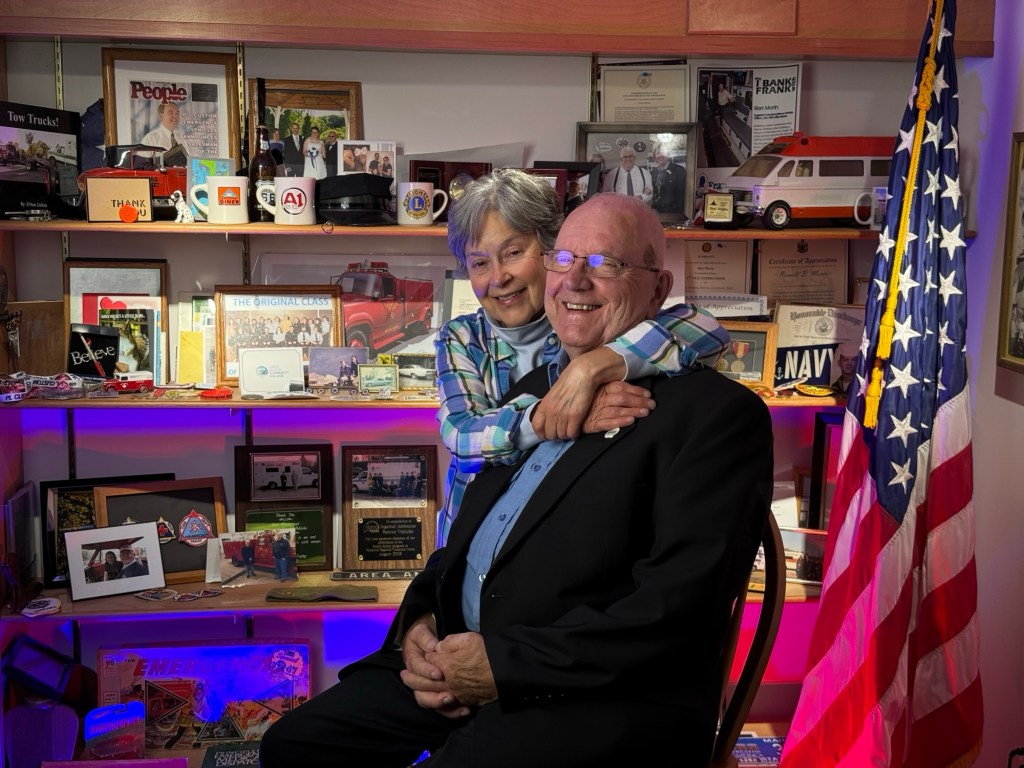
    Mentorship is a cornerstone of growth in any field, but in Emergency Medical Services (EMS), where the stakes are high and the learning curve is steep, it can be transformative. For me, mentorship came in the form of Ron Morin—a pioneer in Maine EMS whose career spanned over four decades, starting with the state’s very first paramedic program. His passion for the field didn’t stop with patient care; it extended to ambulance design, regional sales, education, and advocacy. But our story didn’t begin in the thick of his career. It started after Ron and his wife Becky, a paramedic and nurse practitioner, had retired—a time when I was just starting my journey as an EMT.

    At the time, I was still figuring out my path in healthcare and emergency medicine. Meeting Ron and Becky couldn’t have come at a better time. Their thoughtful guidance, experience, and unwavering encouragement became a steadying force in my life. As our relationship grew, so did the depth of their impact on me. Today, I’m proud to call them my chosen grandparents—a title they’ve earned through years of offering love, support, and wisdom.

    A New Chapter: Touring and Writing with Ron

    One of the most rewarding aspects of my mentorship with Ron has been our work together on the Squad 51 History and Education Project, his nonprofit educational initiative. Touring the Northeast with Ron, we’ve worked to inspire new generations of EMS professionals and connect with seasoned veterans who grew up watching the iconic show Emergency! These trips have been more than just professional opportunities—they’ve been lessons in history, community, and the evolution of EMS.

    In 2023, our collaboration deepened when I began working on Ron’s autobiography. As I transcribed his stories, I gained insight into the origins of 911 services in rural Maine, the challenges faced by early paramedics, and the profound dedication it takes to build a system that saves lives. Beyond his professional journey, I’ve learned about the enduring love and partnership he shares with Becky, the resilience they’ve shown through life’s challenges, and their tireless commitment to the EMS community.

    What Ron Taught Me About Mentorship

    Ron’s mentorship has been a masterclass in patience, perspective, and humility. He’s taught me that no matter how advanced our tools or protocols become, EMS is ultimately about people—about their stories, struggles, and triumphs. His advice has helped me become not just a better EMT, but a more compassionate and grounded healthcare provider.

    One of the most profound lessons I’ve learned is the importance of listening—really listening. Whether it’s a patient in crisis, a colleague in need of support, or the wisdom of someone who’s been in the field for decades, listening creates the space for growth and connection.

    It’s also because of Ron and Becky’s encouragement that I found the courage to start this blog, Mind Over Mayday. Sharing my story and advocating for first responder mental health wouldn’t have been possible without their belief in me.

    Why You Should Seek a Mentor in EMS

    Mentorship in EMS isn’t just about passing down technical knowledge; it’s about building relationships that challenge, support, and inspire. Here are a few reasons why finding a mentor could change your career—and your life:

    1. Perspective: Mentors like Ron bring a wealth of experience that helps put the challenges of the job into context. Their stories remind us why we chose this field in the first place.

    2. Guidance: A mentor can help you navigate career decisions, refine your skills, and avoid common pitfalls.

    3. Support: The demands of EMS can be overwhelming, but having someone who understands the unique stressors of the job can make all the difference.

    4. Connection to the Past: Learning from those who’ve shaped the field connects us to its history and inspires us to contribute to its future.

    Honoring the “Dinosaurs” of EMS

    Too often, the wisdom of EMS veterans is overlooked in a field that’s constantly evolving. But the so-called “dinosaurs” of EMS have a depth of knowledge and perspective that no textbook or protocol manual can provide. Their stories are a reminder of how far we’ve come—and how much we still have to learn.

    For me, Ron and Becky have been that bridge between the past and the future, showing me what it means to dedicate your life to a calling. Their mentorship has shaped my career and my perspective, and I’ll forever be grateful for the lessons they’ve taught me.

    So, if you’re new to EMS—or even if you’re not—find a mentor. Seek out someone who inspires you, challenges you, and helps you grow. And when the time comes, pass that knowledge along. Because mentorship isn’t just about becoming better at what you do; it’s about ensuring the next generation is even stronger.

    To Ron and Becky—thank you for everything. Your impact on my life and my career is immeasurable, and I hope to honor it by continuing to learn, grow, and give back.

  • Vicarious Resilience: Finding Strength Through Stories of Survival

    Vicarious Resilience: Finding Strength Through Stories of Survival

    As first responders, we are often exposed to some of the most challenging moments in people’s lives. The emergencies we encounter can weigh heavily on us, leaving behind an emotional residue that is difficult to process. Yet, amidst the chaos and heartbreak, there is a profound gift: the ability to witness resilience.

    Vicarious resilience, a concept born from the field of trauma therapy, refers to the strength and healing we gain by observing others overcome adversity. For first responders, this can take many forms—watching a patient fight for their life and recover, seeing families come together during crises, or learning from colleagues who persevere despite the hardships of the job. These stories serve as powerful reminders of human strength, giving us the hope and courage to continue showing up, no matter how difficult the day may be.

    The Transformative Power of Resilience

    Each shift presents us with moments where resilience is on full display. It could be a child smiling through pain, a survivor expressing gratitude, or a colleague standing tall after enduring unimaginable challenges. These experiences are not just fleeting snapshots—they have the potential to inspire personal growth, foster empathy, and build a sense of purpose.

    Vicarious resilience is a vital antidote to the emotional toll of our work. It shifts the narrative from despair to hope, reminding us that even in the darkest moments, there is light. When we allow ourselves to absorb these stories, they can become tools for our own healing.

    Introducing: Stories of Strength—A New Interview Series

    To further explore the impact of resilience in the first responder community, I’m excited to announce a new blog series: Stories of Strength: Interviews with First Responders and Survivors.

    In this series, I’ll sit down with professionals from the field and individuals who have endured and overcome significant challenges. Together, we’ll discuss the moments that shaped their journeys, the lessons they’ve learned, and how their experiences can inspire hope and healing in others.

    Through these interviews, my goal is to create a space where we can celebrate resilience in all its forms. By sharing these stories, I hope to offer readers—whether they are first responders, mental health advocates, or anyone facing their own battles—a source of comfort, encouragement, and perspective.

    Finding Your Own Resilience

    Witnessing the resilience of others is a gift, but it is equally important to recognize your own strength. Each time you show up for a call, comfort a patient, or support your peers, you are embodying resilience. Take time to honor that within yourself.

    As we move forward with this series, I invite you to join me on this journey of discovery and growth. Let’s shine a light on the incredible strength within our community and use these stories as stepping stones toward healing and hope.

    Stay tuned for the first interview in the series—it’s a story you won’t want to miss.

    Together, let’s find strength in the resilience around us and within us.

  • Breaking Barriers: Women in the Fire Service

    Breaking Barriers: Women in the Fire Service

    The fire service has long been regarded as a male-dominated field, steeped in tradition and camaraderie. While these aspects make it unique, they also present challenges for women entering the profession. Women comprise only about 8% of firefighters in the United States, according to the National Fire Protection Association (NFPA). Yet, despite the barriers, women bring invaluable strengths to the table—both physical and mental—that enhance the fire service and benefit the communities we serve.

    Overcoming Challenges and Breaking Stereotypes

    Entering a male-dominated field often means working harder to prove your worth. Many women feel the pressure to perform at a higher standard, as they are often scrutinized more harshly than their male counterparts. This can lead to self-doubt, but it also fosters a determination to succeed. Personally, I’ve experienced this dynamic firsthand. When I joined the fire service, I faced criticism and hostility from some officers in one of my departments. These individuals frequently engaged in lewd conversations, scrutinized my work unfairly, and set me up to fail by assigning tasks without proper training or guidance. It was a difficult and toxic environment to navigate.

    However, not every department operates this way. I was fortunate to also serve in other departments where my skills and contributions were valued. These experiences taught me the importance of fostering welcoming environments where teamwork and mutual respect prevail. Ultimately, I chose to leave the toxic department and focus my efforts on places where I was encouraged to grow and thrive as a firefighter.

    The Strengths Women Bring to the Fire Service

    Women often excel in the fire service by leveraging unique strengths that complement the team dynamic. For example, being smaller in size can be an advantage in confined spaces during search-and-rescue operations. Additionally, women tend to excel in communication, empathy, and collaboration, which are essential traits in high-stress, team-oriented environments. The fire service thrives on true teamwork—everyone bringing their strengths to the table to accomplish a shared mission.

    Studies also suggest that diverse teams perform better in high-pressure situations. A 2020 report from McKinsey & Company found that diverse workplaces are 35% more likely to outperform their peers. In the fire service, this translates to better problem-solving, more innovative solutions, and ultimately, improved outcomes for the communities we serve.

    Inspired by Women Who Paved the Way

    My Aunt, a career firefighter/paramedic, was one of my earliest role models. Her dedication, resilience, and professionalism inspired me to pursue a career in the fire service and to be the best version of myself. Watching her navigate the challenges of the job while maintaining her integrity and compassion gave me a roadmap for success.

    Her example also taught me the value of mentorship and support. It is critical for women entering male-dominated fields to seek out allies and role models who can provide guidance, encouragement, and wisdom. The fire service, like any other profession, is only as strong as the people within it. By lifting each other up, we ensure the safety and success of the entire team.

    Moving Forward: Creating a More Inclusive Fire Service

    While progress has been made, there is still work to do to create a more inclusive fire service. Departments must prioritize fostering respectful, welcoming environments where all firefighters—regardless of gender—can thrive. Leadership plays a crucial role in setting the tone and addressing toxic behaviors. When women feel supported, they can contribute to their full potential, enhancing the effectiveness of the entire team.

    For those entering the fire service, my advice is to stay true to yourself, seek out departments and leaders who value your contributions, and never stop advocating for better mental health and workplace culture. The fire service is built on trust, respect, and teamwork—qualities that transcend gender and unite us in our shared mission to serve and protect.

    As women in the fire service, we may face unique challenges, but we also have unique strengths. By breaking barriers and shattering stereotypes, we pave the way for the next generation of women firefighters, creating a stronger, more inclusive fire service for all.