
Tag: depression

  • Breaking the Stigma: My Journey Through Crisis to Wellness

    Breaking the Stigma: My Journey Through Crisis to Wellness

    The pager vibrates, the tones drop, the trauma alert is heard overhead, and the adrenaline rush kicks in. For first responders and healthcare workers, this cycle is the rhythm of life. We’re the ones who answer the call, who rush in when others run out. We’re the caregivers, the problem-solvers, the ones people count on during their worst days. But what happens when the caregivers need care themselves? What happens when the very people who are trained to be strong for others find themselves struggling? For far too long, the answer has been silence—silence driven by fear, stigma, and the unrelenting pressures of our professions.

    I know this silence intimately. For years, I lived it. I’ve been the one who brushed off my own struggles, convincing myself that asking for help would be a sign of weakness, or worse, proof that I didn’t belong in this line of work. There’s an unspoken rule in our world: “If you can’t handle the job, get out of the business.” It’s a mantra designed to weed out those who don’t belong, but it’s also a trap. It keeps too many of us—good, capable, compassionate people—from acknowledging our humanity. It kept me from acknowledging mine.

    The demands of this life don’t help. Twelve-hour night shifts, back-to-back calls, and an endless stream of people who need us—there’s rarely time to eat, let alone to seek out therapy or other forms of care. And when we do manage to carve out the time, the resources are often scarce. Mental health care tailored to the unique needs of first responders and healthcare workers is hard to come by. The general resources available are often ill-equipped to address the cumulative trauma and high-stakes pressures we face. It’s easier to push it all down, to tell ourselves, “I’ll deal with it later.” But later never comes—until it’s too late.

    That’s what happened to some of my colleagues. I’ll never forget the heartbreak of attending their funerals, standing shoulder to shoulder with others who wore the same uniforms, all of us asking the same agonizing question: Why didn’t they reach out? But I knew the answer. They didn’t reach out for the same reasons I hadn’t. The stigma. The fear of judgment. The crushing weight of shame.

    Those losses were a turning point for me. They forced me to confront the reality that even the strongest among us—the ones who seem to have it all together—can struggle to a devastating degree. I realized that if I wanted to continue doing the work I love—and to be the mother, friend, and colleague my loved ones deserved—I had to start taking care of myself. I had to stop seeing my mental health as an inconvenience or a weakness and start treating it as the foundation of everything else in my life.

    It wasn’t easy. In the beginning, I felt an almost unbearable sense of shame. Asking for help felt like admitting failure. But I’ve come to understand that it’s the opposite. Asking for help is one of the bravest things we can do. It’s an acknowledgment that we’re human, that we’re not invincible—and that’s okay. It’s okay because we matter. You matter. I matter. We’re irreplaceable in the lives of those who love us, and we’re irreplaceable in the work we do. But to keep showing up—for our families, for our patients, for our communities—we have to put on our own metaphoric oxygen masks first.

    Today, I’m no longer ashamed to say that I see a therapist, that I take psychiatric medications, that I’ve prioritized my mental health, or that I’ve set boundaries to protect my well-being. It’s not selfish. It’s survival. And it’s the only way I can continue to do this work without losing myself in the process.

    To my fellow first responders and healthcare workers: I see you. I know the weight you carry, the sacrifices you make, and the strength it takes to do what you do. But I also know that strength isn’t about pushing through no matter what. True strength is recognizing when you need support and having the courage to ask for it. It’s knowing that you can’t pour from an empty cup, and taking the steps to fill it—even when it feels impossibly hard.

    My Personal Story

    In 2023, nine months after giving birth to my daughter, I experienced a complete breakdown of my mental health. Despite the joy of welcoming her into the world, I was overcome by crippling anxiety. Scenes from my work in EMS bled into my personal life, filling my mind with horrifying images of my daughter in catastrophic situations—falling down a flight of stairs, being ejected from a vehicle, or succumbing to SIDS. These spiraling thoughts, compounded by sleepless nights, mood instability, and destructive behaviors in my relationships, pushed me into a downward spiral.

    Adding to the pressure of new motherhood—even as a mother of two—I felt I should be able to handle everything. I feared being judged as a bad mother, an incapable professional, and a burden to my family. I isolated myself, neglected my well-being, and lashed out at those I loved most. I stopped eating regularly, and the stress-induced starvation caused me to lose nearly 70 pounds in just nine months. I was physically and emotionally depleted, tempted to relapse, and teetering on the edge of complete collapse. Eventually, I reached my breaking point, culminating in a mental health crisis that led me to seek intensive treatment.

    I entered New Freedom Academy, a 30-day intensive treatment facility in Canterbury, New Hampshire, which turned out to be my lifeline. The campus was stunning—a serene environment with manicured grounds and beautifully maintained facilities that fostered healing. Clients stayed in comfortable dormitories and shared meals in a cafeteria catered by a private chef, featuring vegetables grown on-site. Daily activities included classes and therapy sessions in a bright and inviting hall, yoga and meditation led by outside instructors, and opportunities to explore the peaceful grounds. The program wasn’t a locked facility, which gave me a sense of autonomy, but it provided the structure I needed to begin my healing journey.

    Each day was carefully structured, with approximately five hours of group therapy modeled like classes. Topics ranged from substance abuse and codependency to self-love, CBT, DBT, and health and wellness. I met with a nurse practitioner to manage my medications, a licensed trauma therapist, and a case manager to coordinate care for my discharge. The staff, many of whom had personal experiences with recovery, created a space of genuine empathy and connection. It was transformational to know that I was not alone and to bond with others from diverse backgrounds—including veterans, professionals, and elderly individuals struggling with isolation.

    It wasn’t easy being separated from my daughter, but the staff reminded me that taking this time for myself was an act of love for her. Throughout my stay, my recovery community and family supported me from a distance, sending letters and gifts and arranging video calls with my daughter. What initially felt like a failure turned into one of the most empowering decisions of my life. I left the facility with a renewed sense of hope, better tools to cope with my mental health, and the realization that seeking help is an act of strength, not weakness.

    Returning home wasn’t the end of the journey but the beginning of an ongoing process. I worked with a psychiatrist to fine-tune my medications—a painstaking but worthwhile effort that required honesty and patience. I continued therapy, incorporating Eye Movement Desensitization and Reprocessing (EMDR), a technique designed to help reprocess traumatic memories. In EMDR sessions, I was guided by a therapist to recall distressing events while focusing on a series of bilateral stimuli, such as moving my eyes back and forth or following hand taps. This process helped reduce the intensity of my trauma-related emotions and reframed my experiences in a less harmful way. It was difficult but profoundly effective.

    I also took steps to rebuild my physical health after months of weight loss and neglect. I focused on a well-balanced diet, reduced caffeine intake, began journaling, and started taking supplements to address high cortisol and oxidative stress levels in my body. I returned to running, meditation, and spending time in nature. I leaned on my recovery community, attending meetings and reconnecting with loved ones. And I started this blog as a way to process my experiences and inspire others to prioritize their mental health before it’s too late.

    Slowly but surely, I began to feel stronger. My journey is far from over, but I know I’m on the right path. I’ve learned that to give my best to the people who depend on me—my children, my patients, my colleagues—I must first give that care to myself. And if sharing my story can encourage even one person to seek the help they need, then every step of this journey has been worth it.

    The Mission

    The stigma won’t disappear overnight, but it starts with us. It starts with sharing our stories, breaking the silence, and reminding each other that it’s okay to not be okay. You don’t have to carry it all alone. There’s help out there, and there’s no shame in reaching for it. Finding and affording the right care can be hard, but it is possible if you deeply explore what is out there with the same fervent effort you dedicate to your career- because ultimately your performance at work, and the longevity of your career, depends on your wellness, and the ability to show up as the best version of yourself. 

    If you’re struggling, please know this: You are not alone. Your life matters. And the world is a better place with you in it.
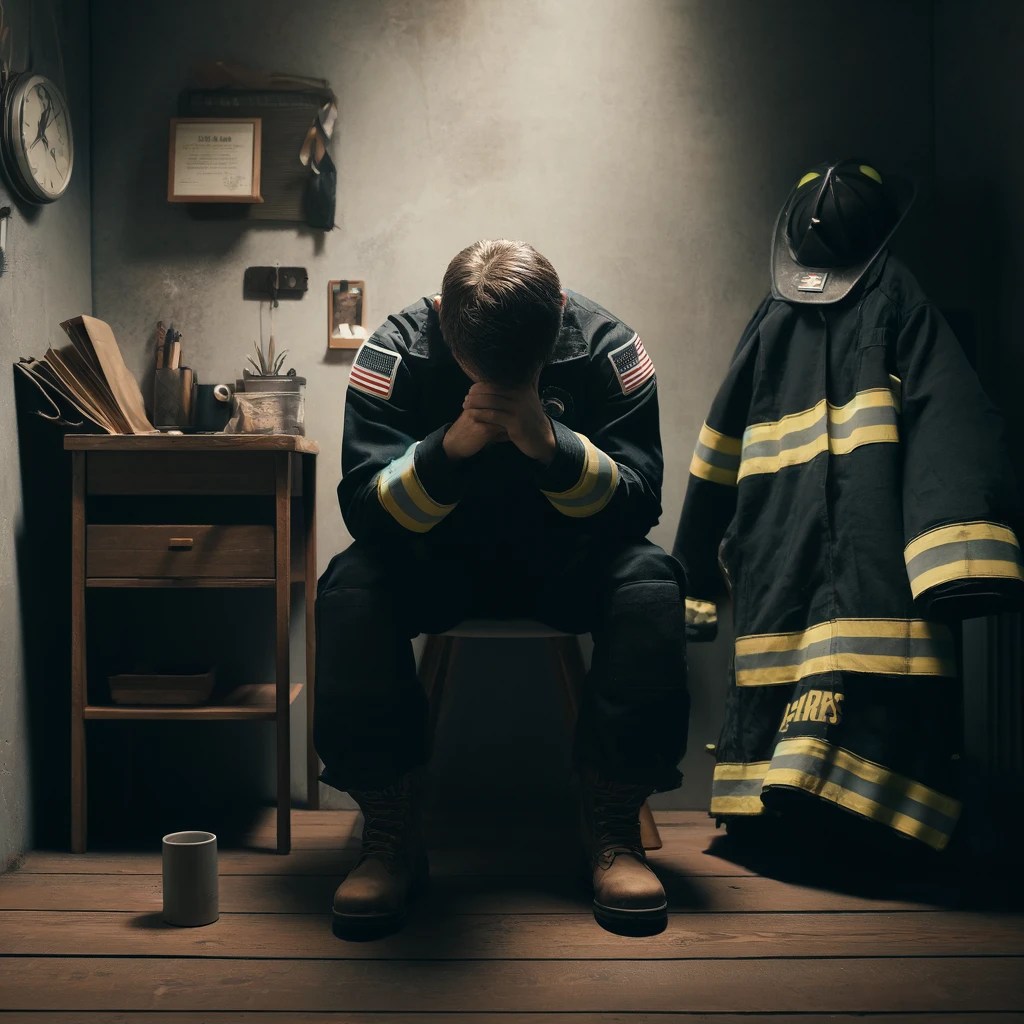

  • The Challenge of Asking for Help: And the Consequence of Remaining Silent

    The Challenge of Asking for Help: And the Consequence of Remaining Silent

    First responders and healthcare workers are often seen as the people who run toward danger, chaos, and pain when others turn away. We are the caregivers, the fixers, the steady hands in a storm. But what happens when the caregivers need care themselves? What happens when the healers need healing?

    For a long time, I believed I had to be invincible. The unspoken rule in our world often feels like this: if you can’t handle the heat, get out of the firehouse, ambulance, or hospital. You don’t show weakness. You don’t admit to struggling. You push through. And if you can’t, there’s a pervasive sense that maybe you shouldn’t be in this field at all.

    These beliefs are not just whispers in our heads—they’re reinforced by the environments we work in. The long shifts, unpredictable hours, and the emotional weight of the job leave little time to process what we experience, let alone seek help. And when we do consider reaching out, we face limited resources, long waitlists, and a troubling lack of mental health services tailored to the specific needs of first responders. On top of it all is the fear of judgment: Will my coworkers see me as weak? Will my supervisors think I’m not cut out for this job?

    I’ve been there. I’ve carried the shame of needing help and told myself I didn’t have time to seek it. For years, I believed that asking for care would mean I wasn’t strong enough to keep doing the job I loved. It took the suicides of several colleagues—dear friends and mentors who I admired deeply—for my perspective to change.

    When Sawyer Coleman and Scott Latulippe died by suicide, it shook me to my core. I served with the Maine EMS Honor Guard at their funerals, and it was a challenge to remain stoic in my role when the gravity of their deaths moved us all to tears. These were people many looked up to, people who were thought of as unshakable. People who others relied on, whose families and close friends remember as being positive, humorous, and calm in the midst of even the most traumatic of calls. And yet, they were quietly battling mental health struggles that ultimately led them to making devastating and permanent decisions. Their deaths forced me to confront the reality that even the strongest among us can be brought to our knees by the weight of this work. It was a wake-up call—not just for me but for so many others in our field. It made me realize that ignoring our mental health doesn’t make us stronger; it makes us vulnerable in the most dangerous way possible.

    We need to ask ourselves some hard questions: What good am I to my patients, my coworkers, or my family if I’m running on empty? How can I continue to serve others if I refuse to care for myself? The answers are painfully clear. We are irreplaceable to the people who love us. Our children and families need us. Our colleagues rely on us. And to show up for them, we have to show up for ourselves first.

    That realization changed everything for me. I stopped seeing self-care as selfish or weak and started viewing my mental health as essential to my career. I began to prioritize my wellness in ways I never had before—therapy, support groups, time to decompress, and creating boundaries around my work and personal life. I also became vocal about these changes, hoping to break the stigma and encourage others to do the same.

    It hasn’t been easy. There are still moments of doubt and guilt. But I’ve learned that vulnerability is not a weakness; it’s a strength. Asking for help doesn’t mean you’re failing—it means you’re fighting to stay in the fight. It means you’re choosing to protect your ability to care for others by caring for yourself.

    The work we do as first responders and healthcare professionals is vital. But so is our well-being. If there’s one thing I want my colleagues to understand, it’s this: You are not replaceable. You matter—not just to your patients and your team but to the people who love you. Filling your cup first isn’t just an act of self-preservation—it’s a gift to everyone who depends on you.

    If you’re struggling, please know you’re not alone. There’s no shame in needing help. In fact, seeking it might just be the bravest thing you ever do. And if sharing my story can make even one person feel less alone or encourage them to take that first step, then every word I’ve written here has been worth it.

    Let’s continue to care for each other—and ourselves. Because this work, this life, this mission—it’s worth it. And so are you.

  • The Need for Expanded Crisis Intervention Services in Maine and Training for First Responders

    The Need for Expanded Crisis Intervention Services in Maine and Training for First Responders

    Crisis intervention is one of the most challenging yet critical aspects of public service, especially in rural states like Maine. As a first responder and mental health advocate, I’ve seen firsthand how the gaps in crisis intervention services directly affect the well-being of individuals and communities. In a state where resources are already limited, these gaps can leave vulnerable populations without the support they desperately need during moments of crisis.

    At the same time, first responders often find themselves at the forefront of these crises, acting as the first—and sometimes only—line of support. However, without proper training in crisis intervention, many of us are left feeling unprepared to provide the level of care these situations demand.

    This blog post dives into the current state of crisis intervention services in Maine, the challenges first responders face, and why Crisis Intervention Training (CIT) is essential for improving outcomes for everyone involved.

    Limited Crisis Intervention Services in Maine

    Maine faces unique challenges when it comes to crisis services:

    1. Geographical Barriers: With vast rural areas and small towns, access to crisis services can be a logistical nightmare. Individuals in remote areas may face significant delays in receiving the help they need.
    2. Understaffed Crisis Teams: Many regions lack sufficient crisis intervention professionals, meaning teams are often overworked and unable to respond promptly to calls. Wait times for follow-up care can stretch for weeks or even months.
    3. Lack of Comprehensive Support: For many individuals experiencing a mental health crisis, emergency rooms and law enforcement become the default points of contact. These systems are not designed to provide the kind of holistic care that mental health crises often require.
    4. Stigma and Misinformation: Stigma around mental health often prevents individuals from seeking help until the situation escalates into a full-blown crisis. This further strains the limited resources available.

    The Role of First Responders in Crisis Situations

    First responders—EMS, firefighters, and law enforcement—are often the first to arrive when someone is experiencing a crisis. We are tasked with de-escalating volatile situations, ensuring safety, and providing care until further support is available. Yet, without specialized training, many of us lack the tools needed to address the mental health component of these emergencies effectively.

    The emotional toll of these encounters can also weigh heavily on first responders, leading to burnout, compassion fatigue, and mental health challenges of our own. The lack of adequate training amplifies these challenges, leaving responders feeling overwhelmed and underprepared.

    The Importance of Crisis Intervention Training (CIT)

    Crisis Intervention Training equips first responders with the skills to handle mental health crises effectively. CIT focuses on de-escalation techniques, communication strategies, and understanding the signs and symptoms of mental illness. It empowers responders to:

    • De-escalate situations without the use of force.
    • Provide immediate, compassionate care to individuals in crisis.
    • Connect those in crisis with appropriate resources, reducing the likelihood of repeated emergencies.
    • Recognize their own emotional responses to these situations, fostering resilience and mental wellness.

    States that have implemented CIT programs have seen remarkable outcomes, including reduced injuries to both responders and individuals in crisis, fewer arrests of individuals experiencing mental health emergencies, and better long-term outcomes for those individuals.

    Notable examples include:

    Tennessee

    Tennessee has developed a comprehensive statewide CIT program, emphasizing collaboration between law enforcement and mental health professionals. The program focuses on training officers to de-escalate crises and connect individuals to appropriate services, resulting in reduced arrests and improved safety.

    Namitn

    Ohio

    Ohio has established a robust CIT program with a focus on community-based responses to mental health crises. The state’s approach includes specialized training for law enforcement and strong partnerships with mental health agencies, leading to better outcomes for individuals in crisis.

    Mental Health Portland

    Maryland

    Anne Arundel County’s CIT program in Maryland has been recognized for its excellence, receiving a platinum certification from CIT International. This distinction highlights the program’s adherence to best practices in crisis intervention and its success in fostering collaboration between law enforcement and mental health services.

    CBS News

    Minnesota

    Minneapolis launched the Behavioral Crisis Response (BCR) program, dispatching unarmed mental health professionals to 911 calls involving behavioral health crises. Since its inception in 2021, BCR has responded to approximately 20,000 calls, providing timely and compassionate services, and has been praised for its effectiveness in addressing mental health emergencies.

    Wikipedia

    Oregon

    Eugene’s CAHOOTS (Crisis Assistance Helping Out On The Streets) program serves as a model for alternative crisis response. Operating since 1989, CAHOOTS dispatches teams of medics and crisis workers to respond to mental health crises, reducing the burden on police and emergency medical services. The program has inspired similar initiatives across the country.

    Wikipedia

    These examples demonstrate the effectiveness of CIT programs in enhancing responses to mental health crises through training, collaboration, and innovative approaches. Implementing similar programs can lead to better outcomes for individuals in crisis and the communities they reside in.

    A Call to Action for Maine

    To address the gaps in crisis intervention services and training, Maine needs to take action:

    1. Increase Funding for Crisis Services: This includes hiring more crisis workers, expanding mobile crisis units, and improving access to follow-up care.
    2. Mandate CIT for First Responders: Making CIT a standard part of first responder training would better prepare us for the realities of our jobs and improve outcomes for individuals in crisis.
    3. Raise Awareness: Public education campaigns can help reduce the stigma surrounding mental health and encourage individuals to seek help before crises occur.
    4. Collaborate Across Disciplines: Bringing together mental health professionals, first responders, and policymakers can foster innovative solutions tailored to Maine’s unique challenges.

    Conclusion

    The role of crisis intervention is not just about responding to emergencies—it’s about creating a system of support that prevents crises from happening in the first place. For first responders like myself, Crisis Intervention Training offers a pathway to more compassionate and effective care. For Maine, investing in crisis services and training represents a commitment to the well-being of our residents and the health of our communities.

    As a state, we have an opportunity to lead the way in creating a model of crisis response that prioritizes humanity, understanding, and resilience. Let’s rise to that challenge—together.

  • The State of Mental Health Care in Maine: Limited Options, High Costs, and a Broken System

    The State of Mental Health Care in Maine: Limited Options, High Costs, and a Broken System

    Maine’s mental health system is in crisis, and the strain is felt by everyone—from first responders like myself to individuals across the state who are left without adequate care. Whether you’re navigating the system as someone seeking services or as someone supporting others in crisis, it’s impossible to ignore the profound gaps that exist between outpatient therapy and full-scale inpatient hospitalization.

    Beyond the state-run Riverview Psychiatric Center in Augusta and Dorothea Dix Psychiatric Center in Bangor, Maine has only a handful of facilities that provide inpatient psychiatric care. Spring Harbor Hospital in Westbrook, St. Mary’s Behavioral Health Services in Lewiston, and Northern Maine Medical Center in Fort Kent all offer critical services, but their capacity is limited. The number of beds available in these facilities is far too small to meet the needs of our population. When someone is in crisis, the odds of finding a bed nearby are slim, leading to long waits in emergency departments or, worse, no care at all.

    One of the most glaring issues is the lack of services that bridge the gap between outpatient therapy and inpatient hospitalization. For those experiencing a mental health crisis that doesn’t require inpatient care but goes beyond what a weekly therapy session can address, the options are nearly nonexistent. Intensive outpatient programs (IOPs) and partial hospitalization programs (PHPs), which provide structured support without requiring overnight stays, are rare in Maine. This leaves individuals in limbo—unable to access the level of care they need until their situation worsens to the point of requiring hospitalization- which is then limited by the number of beds.

    As someone who has personally needed psychiatric services, I’ve felt the frustration and fear of navigating this broken system. The financial cost of care is another barrier for many. Even with insurance, the out-of-pocket expenses for therapy, medications, and specialized programs can be overwhelming. For those without insurance or with high-deductible plans, these services are simply out of reach.

    For first responders like myself, the stakes are even higher. We’re often the ones called to respond when someone’s mental health crisis reaches a breaking point, and we see the toll that untreated mental illness takes on individuals, families, and communities. Yet, when we or our peers need help, we face the same challenges as everyone else—long waits, limited options, and prohibitive costs. This lack of support contributes to burnout, trauma, and tragically, high rates of suicide among first responders.

    What’s most disheartening is the lack of any meaningful initiatives in Maine to address these issues. Mental health funding remains insufficient, and there’s little momentum toward expanding services or making care more accessible. While telehealth has improved access for some, it’s not a solution for everyone, especially those in rural areas without reliable internet or those who need in-person support.

    We need real change. Maine must invest in creating more beds for inpatient psychiatric care, expanding intermediate care options like IOPs and PHPs, and ensuring that these services are affordable and accessible to everyone. We also need to address the workforce shortage by incentivizing mental health professionals to work in Maine, particularly in underserved areas.

    Mental health care is not a luxury—it’s a necessity. Whether you’re a first responder carrying the weight of others’ crises or an individual struggling to navigate your own, you deserve access to the care you need. It’s time for Maine to prioritize mental health and take bold steps to fix a system that is failing far too many of us.

    Advocating for Improved Mental Health Services in Maine

    To effectively advocate for improved mental health services in Maine, connecting with your local legislators is essential. You can easily find your State Senator and State Representative using the resources provided by the Maine State Legislature.

    Once you’ve identified your legislators, you can contact them using the following options:

    • Mail:
      • State Representatives: House of Representatives, 2 State House Station, Augusta, ME 04333-0002
      • State Senators: Maine State Senate, 3 State House Station, Augusta, ME 04333-0003
    • Phone:

    For a full list of contact details, including email addresses, visit the Maine House of Representatives Contact Page.

    Engaging with your local legislators is a vital step toward addressing the gaps in Maine’s mental health system. Your voice can drive meaningful changes to improve access, affordability, and availability of mental health services across the state.

  • How to Use Trauma-Informed Dialogue to Support Someone Who’s Struggling

    How to Use Trauma-Informed Dialogue to Support Someone Who’s Struggling

    When someone you care about—whether a friend, family member, colleague, or fellow first responder—is struggling, your words and approach can make a huge difference. Trauma-informed dialogue focuses on creating a safe, nonjudgmental space where they feel heard, supported, and understood. Here’s how to implement this compassionate approach:

    1. Prioritize Safety and Trust

    • Start with empathy: Begin by acknowledging their struggle without judgment or assumptions. For example:

    “I’ve noticed you seem a bit off lately, and I wanted to check in. How are you doing?”

    • Be consistent and reliable: Show up when you say you will, listen without interruption, and maintain confidentiality to build trust.

    2. Use Nonjudgmental Language

    • Avoid blame or shaming statements like, “You’re overreacting” or “Why can’t you just let it go?”

    • Instead, try: “That sounds really difficult. I can understand why you’d feel that way.”

    • Remember, trauma responses aren’t about being “weak” but are the brain’s way of coping with overwhelming stress.

    3. Practice Active Listening

    • Give them space to speak: Sometimes, they need to process their thoughts out loud. Avoid jumping in with advice right away.

    • Reflect what you hear to show understanding:

    “It sounds like you’re feeling overwhelmed and unsure where to start. That makes a lot of sense.”

    4. Avoid Triggers

    • Trauma can make certain words, tones, or topics feel threatening. Pay attention to their body language and emotional cues.

    • If they seem agitated or withdrawn, adjust your approach. Use calm, reassuring tones and focus on the present moment.

    5. Focus on Empowerment, Not Fixing

    • Instead of saying, “You should…” or “Here’s what you need to do…”, try asking:

    “What do you think would help right now?”

    • Validate their strengths: “I know this is hard, but I’m amazed by how strong you’ve been through everything.”

    6. Know When to Step Back and Offer Resources

    • If their struggles are beyond what you can handle, gently suggest professional support:

    “I’m here for you, but I wonder if talking to someone like a counselor or therapist might help. I can help you find someone if you’d like.”

    • Offer resources without pressure, such as crisis lines, peer support groups, or wellness programs.

    7. Follow Up

    • Support isn’t a one-time conversation. Check in periodically:

    “I’ve been thinking about you. How have things been going?”

    • Even small, consistent actions—like sending a thoughtful text—show that you care.

    Why It Matters for First Responders

    First responders often face unique challenges, including cumulative stress and exposure to traumatic events. Trauma-informed dialogue acknowledges these pressures without minimizing them. It’s about saying, “I see you, I hear you, and I’m here for you,” in a way that respects their experience and humanity.

    By using trauma-informed dialogue, you’re not just helping someone feel supported—you’re creating a foundation for trust, healing, and resilience. Together, we can break down the stigma around seeking help and foster a culture of compassion and understanding.

    You’re never alone in this journey. Let’s make sure no one else feels they are, either.

    Still feeling lost? Here is a sample conversation that puts trauma informed dialogue into practice…

    Scenario: Two EMTs, Chris and Taylor, are chatting after a shift. Chris has noticed Taylor has been quieter than usual and seems stressed.

    Opening the Conversation

    Chris:

    “Hey Taylor, you’ve seemed a bit off the last few shifts. Everything okay?”

    Taylor:

    “Yeah, I’m fine. Just tired, I guess.”

    Chris:

    “I get that—this job takes it out of you. But I don’t know, it seems like more than just being tired. I’m here if you want to talk.”

    Acknowledging and Validating

    Taylor:

    “I don’t know, man. It’s just been a lot lately. That call last week with the kid… I can’t stop thinking about it.”

    Chris:

    “Yeah, that was a tough one. Those kinds of calls stick with you. It’s completely normal to feel like this.”

    Taylor:

    “I keep wondering if we missed something, you know? Like, what if there was something more we could have done?”

    Chris:

    “That’s a heavy weight to carry. I’ve felt like that before too—second-guessing everything. But from what I saw, you did everything you could. That kid had the best chance because of you.”

    Using Active Listening

    Taylor:

    “I know you’re probably right, but it just doesn’t feel that way. And then every time I try to sleep, it’s like I’m back on that call.”

    Chris:

    “That sounds rough. Not being able to shake it and having it mess with your sleep—it’s no wonder you’re feeling drained. It makes sense that this would be sticking with you.”

    Taylor:

    “Yeah. And I can’t really talk about it at home. It doesn’t feel right to bring that stuff home, to talk about something like that with my wife who doesn’t need that image in her head too.”

    Chris:

    “That’s tough, I know the feeling. But you can always talk to me. You don’t have to carry this alone.”

    Focusing on Empowerment

    Chris:

    “Have you thought about what might help you feel a little better? Sometimes talking to someone outside of work, like a counselor, can help sort through all of this.”

    Taylor:

    “I don’t know. I’ve never done that before. Feels kind of… weak, you know?”

    Chris:

    “Trust me, I’ve been there. I thought the same thing, but talking to someone helped me work through stuff I didn’t even know was weighing me down. It’s not about being weak—it’s about taking care of yourself so you can keep doing this job.”

    Offering Support

    Chris:

    “If you want, I can help you find someone to talk to. I know a few resources that specialize in first responders. No pressure, just an option.”

    Taylor:

    “Yeah, maybe. I’ll think about it.”

    Chris:

    “That’s all I ask. In the meantime, let me know if you want to grab coffee or vent about anything. There’s also a support group I go to sometimes, once a month, if you’d ever want to go with me. No matter what, I’ve got your back.”

    Taylor:

    “Thanks, Chris. I appreciate it. It would be nice to grab coffee outside of work sometime, and let me know when that group is. I’ll give anything a try at this point.”

    This example highlights trauma-informed dialogue by creating a safe space, validating feelings, avoiding judgment, and empowering the struggling colleague to consider next steps. It’s a realistic approach to starting meaningful conversations about mental health in the workplace.

    If you’re unsure of how to start a conversation with someone who is struggling, reach out to mindovermayday@gmail.com and you will receive personalized advice compiled by myself and my own mentors. Note: we are not licensed therapists or counselors, just fellow first responders on a mission to help other first responders in crisis.

  • The Healing Power of Being Vulnerable

    The Healing Power of Being Vulnerable

    As first responders, we are often taught to be strong and unwavering in the face of chaos. We are trained to handle the worst moments in people’s lives, keeping our composure when the pressure is on. While this strength is vital in our line of work, it can sometimes lead us to neglect a powerful tool for healing: vulnerability.

    For many of us in high-stress professions like EMS, it’s easy to think that showing vulnerability is a sign of weakness. We may fear that revealing our struggles or sharing our emotions might jeopardize our professional reputation or the trust others place in us. But here’s the truth: vulnerability is not a weakness; it is a profound strength that allows for growth, connection, and healing.

    The Strength in Vulnerability

    Vulnerability doesn’t mean being weak or incapable—it’s about being open and honest with ourselves and others about our challenges. It means acknowledging that we are human and that we face emotional, physical, and mental struggles, even in a job that requires us to be “on” all the time.

    I’ve had my own experiences with vulnerability. In my journey, I’ve learned that the moments when I have been open about my own mental health struggles, my fears, and my insecurities are the moments when I’ve experienced the most growth. It’s when I allowed myself to be vulnerable—whether by talking to a trusted colleague, a mentor, or even writing down my thoughts on my blog—that healing began to take place.

    Unfortunately, not everyone in this field is encouraged to embrace vulnerability. I’ve witnessed many colleagues shrug off their experiences, adopting the mindset that showing any sign of weakness is unacceptable. Too often, people turn to substances like alcohol to numb their emotions instead of opening up to others. The pressure to “tough it out” can create a toxic environment where the mentality becomes, “If you can’t stand the heat, stay out of the field.”

    This environment not only inhibits personal growth but also perpetuates a cycle of isolation and self-destruction. When vulnerability is seen as a weakness, it becomes harder for people to reach out for help when they need it the most. I’ve seen this firsthand—the silent struggles that so many face because they fear being judged or misunderstood.

    Healing Through Connection

    One of the most powerful aspects of vulnerability is how it fosters connection. When we allow ourselves to be vulnerable, we invite others to do the same. This mutual openness can be transformative.

    Throughout my career, I’ve been fortunate to find trusted peers and mentors who are always there for me when I need them. These are the people who have shown me that there is strength in vulnerability, and that we don’t have to carry our burdens alone. I know that when I pick up the phone to call, they’ll be on the other end of the line, ready to listen and offer support.

    Surprisingly, many people are more open to talking through our struggles, and sharing their own experiences than we might think. The truth is, people would rather drive many miles, talk for hours, and offer their support than have to attend your funeral. This kind of connection is not only meaningful—it’s lifesaving.

    In my journey, I’ve learned that the power of a simple conversation cannot be underestimated. Sometimes, all it takes is someone else’s willingness to listen and share their own experiences to make us feel seen and understood. We heal when we come together, when we recognize that we are part of a larger family, and that our struggles are shared.

    Embracing Vulnerability to Build Resilience

    I’ve learned that resilience isn’t about pushing through in silence or pretending everything is fine when it’s not. True resilience is rooted in vulnerability—the ability to admit when we’re struggling and to seek the support we need. It’s about understanding that strength comes not from being invulnerable, but from facing our difficulties head-on and allowing ourselves to be supported by others.

    By embracing vulnerability, we can begin to unravel the layers of stress and trauma that come with our work. We can break free from the mindset that we have to handle everything alone and start recognizing that seeking help, sharing our emotions, and expressing our struggles makes us stronger, not weaker. When we embrace vulnerability, we not only improve our mental health but also deepen our connection with our colleagues and loved ones.

    Encouraging Others to Be Vulnerable

    If you’re reading this and finding it hard to imagine being open about your struggles, know that you’re not alone. It’s okay to take the first step toward vulnerability. You don’t have to do it all at once, but start with small moments of openness. Share your thoughts with a colleague you trust, talk to a therapist, or simply give yourself permission to feel without judgment.

    Remember, being vulnerable is not a sign of weakness. It’s an act of courage. By allowing ourselves to be seen, to share our emotions, and to seek support, we pave the way for healing and growth—not just for ourselves but for the entire first responder community.

    We are in this together. And together, we will heal.

  • Honoring Our Fallen: How to Cope with the Loss of a Colleague

    Honoring Our Fallen: How to Cope with the Loss of a Colleague

    Losing a colleague in the line of duty is one of the most painful and difficult experiences any first responder can face. Whether the loss is sudden or after a long battle, the weight of grief is a burden that we often carry silently, never fully knowing how to process the emotions that arise. As someone who has attended several memorials and funerals for fallen EMS professionals and firefighters, I want to share my personal experiences and offer advice on how we can cope with the loss of a colleague, while continuing to honor their memory and legacy.

    My First Experience: The Funeral of Sawyer Coleman

    My journey into understanding grief within the first responder community began with the funeral of Sawyer Coleman, a talented EMS professional and firefighter who tragically took his own life. He had worked his way from a Basic EMT to a Paramedic, eventually becoming a Registered Nurse and even instructing at the United Training Center. It was at this funeral that I truly understood the weight of our profession’s losses.

    What struck me the most that day was hearing Sawyer’s son speak about his father. He described an incredible man who inspired so many, not just through his work, but through the love and care he showed to his family and colleagues. This was a man who had a profound impact on so many lives, yet his internal struggles were hidden from view. Sawyer’s death affected the entire EMS community, and the ripples of that action could be felt far and wide.

    That funeral was not just a ceremony for remembering a fallen colleague; it was a wake-up call for all of us. It made me realize how important it is to honor our fallen brothers and sisters, and how crucial it is to address the mental health struggles that so many in our community face.

    Joining the Maine EMS Honor Guard

    The gravity of Sawyer’s funeral inspired me to join the Maine EMS Honor Guard. It was my way of showing respect and solidarity with those who had given their lives in service to others. The first funeral I attended as a member of the Honor Guard was that of Scott Latulippe, a paramedic who, like Sawyer, took his own life after a long battle with his mental health. Scott’s death, and the fact that he had reached out for help through the Employee Assistance Program (EAP) but could not find the support he needed, deeply saddened me.

    Scott’s wife, Julie Latulippe, has become an advocate for mental health within the first responder community. She has led the charge in the state of Maine to create “Clubhouse” meetings, where first responders can gather to discuss their experiences and the gaps in mental health support services. Julie’s work is a shining example of how we can turn our grief into action and fight for the changes that need to be made in our industry.

    Processing Grief in the First Responder Community

    Grief can affect us in different ways. Some may find purpose in loss, using it as a catalyst to fight for causes that matter, such as better mental health resources for first responders. Others may turn to their colleagues, community, or faith for comfort and support. But there are those of us who struggle with depression, despair, and a sense of hopelessness, especially when proper outlets for grief are not readily available.

    It is critical that we break the stigma surrounding mental health within our profession. We must create an environment where it’s okay to talk about trauma, mental health, and our struggles without fear of judgment. This begins by supporting each other, being there for our colleagues, and acknowledging that grief, though difficult, is part of our healing process.

    The Stages of Grief and How to Work Through Them

    Grief is a deeply personal experience, but there are common stages that many of us will go through when processing the loss of a colleague. Understanding these stages can help us recognize where we are in our own grief process and provide methods for coping with each stage.

    1. Denial
      It’s hard to believe that someone we worked alongside is truly gone.
      Coping Mechanism: Acknowledge the feelings of disbelief and talk to someone who understands your profession. Writing down your emotions or even attending a memorial service can help you process the reality of the loss.
    2. Anger
      We may feel angry at the circumstances, at the person for leaving us, or even at ourselves for not seeing the signs.
      Coping Mechanism: Channel your anger into something constructive, such as advocating for mental health awareness, or find a physical outlet like exercise or journaling to express your feelings.
    3. Bargaining
      We might ask ourselves if there was anything we could have done to prevent the loss.
      Coping Mechanism: Accept that you did your best. Seek out peer support or professional counseling to process the “what-ifs” and let go of guilt.
    4. Depression
      The reality of the loss hits us hard, and we may feel sadness or despair.
      Coping Mechanism: It’s important to not isolate yourself. Reach out to trusted colleagues or friends who understand the unique nature of your grief. Seeking professional counseling can also provide a safe space to work through depression.
    5. Acceptance
      Eventually, we come to terms with the loss and find a way to continue living our lives, honoring the memory of our colleagues.
      Coping Mechanism: Focus on ways you can honor their legacy, whether it’s through volunteering, advocacy, or simply remembering the impact they had on others.

    Helpful Resources for First Responders

    For those of us who are struggling to cope with grief, there are books that can help guide us through the process. Here are a few recommendations:

    1. “The First Responder’s Guide to Coping with Death” by Jeff Mitchell
    2. “Resilience: Hard-Won Wisdom for Living a Better Life” by Eric Greitens
    3. “The Healing Power of Grief: A Guide for First Responders” by Robert J. Wicks

    Conclusion: Finding Strength in Grief

    The loss of a colleague is never easy, but it is through our collective grief that we can find strength. By honoring our fallen brothers and sisters, supporting each other, and breaking the stigma around mental health, we can ensure that their legacy lives on. It is crucial that we continue to have conversations about mental health, seek support when needed, and be there for our colleagues in their time of need.

    Remember, we are not alone in this journey. As first responders, we are a community, and together, we will heal. Let us continue to honor those we have lost and work towards a future where no one has to suffer in silence.

    In the end, our strength is found in each other. Together, we rise.

    For more information on the statewide “Clubhouse” meetings, or to join the email list, go to the Contact Me page, and get in touch.