
Tag: empowerment

  • Recovery in the Trenches: Navigating Sobriety in the Medical Field

    Recovery in the Trenches: Navigating Sobriety in the Medical Field

    When I stepped into the world of emergency medicine, I carried more than just a trauma bag and a drive to help others. I also carried my history—a story of survival, sobriety, and relentless hope. As a person in recovery, working in the medical field has been both a profound challenge and an incredible opportunity for connection.

    The Challenges of Recovery in the Medical Field

    Working in emergency medicine means constantly being surrounded by chaos, trauma, and moments that would shake anyone’s resolve. For someone in recovery, the stakes can feel even higher. We see patients at their worst—overdoses, withdrawal, and the physical toll of addiction. It’s impossible not to see pieces of my past in their eyes, and that can stir up emotions I thought I’d buried long ago.

    The medical field also has its own culture, one that doesn’t always prioritize mental health or sobriety. Stress is often managed with substances like alcohol, and “blowing off steam” after a tough shift can quickly spiral into unhealthy habits. For me, navigating this environment while staying true to my sobriety has required strong boundaries and an unwavering commitment to my recovery.

    Then there’s the stigma. While I openly share my story in spaces where it can help others, I know not everyone in the medical field understands what it means to be in recovery. Sometimes, I’ve felt like I had to prove that my past doesn’t define my present. But instead of being a limitation, my history has become a source of strength.

    Turning Challenges Into Opportunities

    One of the unexpected gifts of being in recovery is the ability to connect with patients on a deeply human level. When I encounter someone battling addiction or struggling through withdrawal, I don’t just see their chart or their diagnosis. I see their humanity. I see their potential.

    For example, when treating a patient who’s overdosed or in the grips of substance use, I don’t shy away from the conversation. If the moment feels right, I might say, “I’ve been where you are. It doesn’t have to end here.” Those words can be a lifeline, not just because they’re comforting, but because they come from someone who has walked the same path. I’ve seen patients’ eyes light up—not with shame, but with hope.

    These moments of connection are some of the most fulfilling parts of my job. They remind me that recovery is not just about staying sober; it’s about being of service. Every interaction is an opportunity to plant a seed, to remind someone that they’re not alone, and that change is possible.

    Self-Care as a Lifeline

    Recovery in the medical field has taught me the non-negotiable importance of self-care. Long shifts, emotional cases, and physical exhaustion can be dangerous for anyone, but for someone in recovery, they can be a slippery slope. I’ve learned to prioritize my mental and physical health—whether that’s through my morning and evening routines, regular therapy, or connecting with my support network.

    I’ve also found it essential to stay grounded in my “why.” Why did I get sober? Why did I choose this career? Reflecting on these questions keeps me aligned with my values, even on the hardest days.

    Breaking the Stigma

    If there’s one thing I’ve learned, it’s that people in recovery bring unique strengths to the medical field. We know how to rebuild after hitting rock bottom, how to empathize without judgment, and how to find resilience in the face of hardship. Yet, stigma around addiction and recovery still exists, even in healthcare.

    By sharing my story, I hope to break down that stigma—not just for my patients, but for my colleagues. Recovery isn’t a weakness; it’s a testament to strength, perseverance, and the human capacity for change. The more openly we talk about it, the more we can create a culture where vulnerability is met with support instead of shame.

    A Life of Purpose

    Being a person in recovery working in the medical field is not without its struggles, but it’s also a life filled with purpose. Every shift, I have the chance to be a light in someone else’s darkness, to offer hope when it feels like all is lost. And in doing so, I keep my own recovery alive.

    For anyone else in recovery considering or working in healthcare, know this: Your past doesn’t disqualify you. It prepares you. The empathy, resilience, and strength you’ve built are exactly what the world needs. You are proof that healing is possible, both for yourself and for the patients you serve.

    Recovery is a journey, not a destination. And for me, this journey continues in the trenches—one patient, one connection, and one day at a time.
  • Mentorship in EMS: Lessons from My Relationship with Ron Morin

    Mentorship in EMS: Lessons from My Relationship with Ron Morin

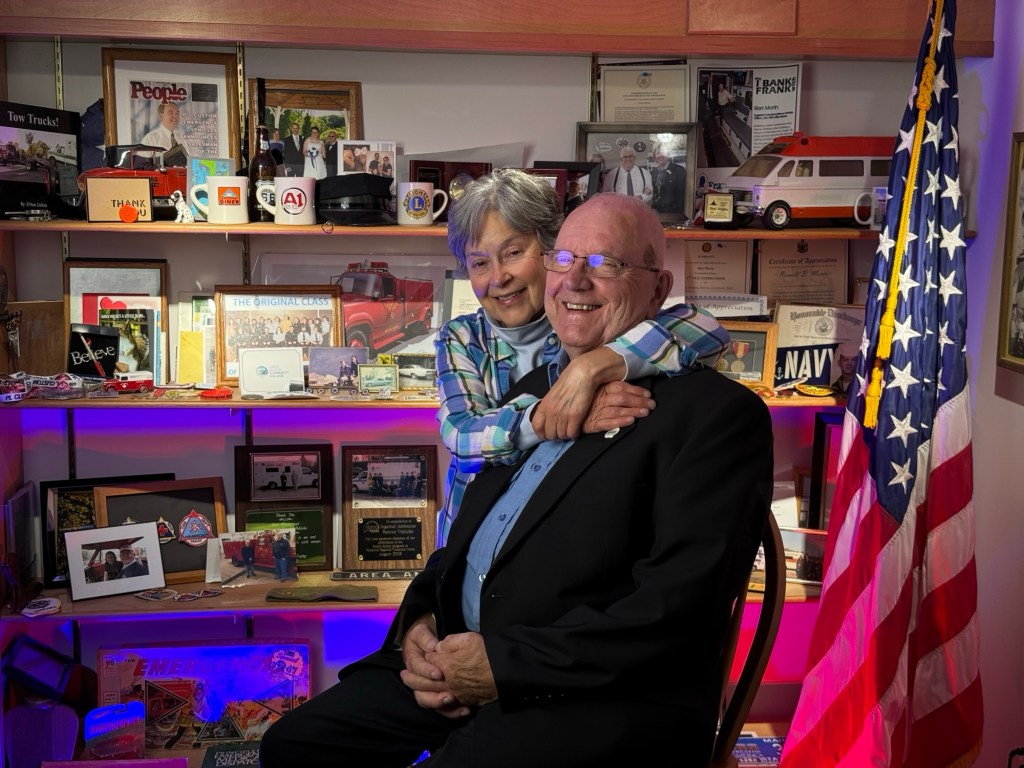
    Mentorship is a cornerstone of growth in any field, but in Emergency Medical Services (EMS), where the stakes are high and the learning curve is steep, it can be transformative. For me, mentorship came in the form of Ron Morin—a pioneer in Maine EMS whose career spanned over four decades, starting with the state’s very first paramedic program. His passion for the field didn’t stop with patient care; it extended to ambulance design, regional sales, education, and advocacy. But our story didn’t begin in the thick of his career. It started after Ron and his wife Becky, a paramedic and nurse practitioner, had retired—a time when I was just starting my journey as an EMT.

    At the time, I was still figuring out my path in healthcare and emergency medicine. Meeting Ron and Becky couldn’t have come at a better time. Their thoughtful guidance, experience, and unwavering encouragement became a steadying force in my life. As our relationship grew, so did the depth of their impact on me. Today, I’m proud to call them my chosen grandparents—a title they’ve earned through years of offering love, support, and wisdom.

    A New Chapter: Touring and Writing with Ron

    One of the most rewarding aspects of my mentorship with Ron has been our work together on the Squad 51 History and Education Project, his nonprofit educational initiative. Touring the Northeast with Ron, we’ve worked to inspire new generations of EMS professionals and connect with seasoned veterans who grew up watching the iconic show Emergency! These trips have been more than just professional opportunities—they’ve been lessons in history, community, and the evolution of EMS.

    In 2023, our collaboration deepened when I began working on Ron’s autobiography. As I transcribed his stories, I gained insight into the origins of 911 services in rural Maine, the challenges faced by early paramedics, and the profound dedication it takes to build a system that saves lives. Beyond his professional journey, I’ve learned about the enduring love and partnership he shares with Becky, the resilience they’ve shown through life’s challenges, and their tireless commitment to the EMS community.

    What Ron Taught Me About Mentorship

    Ron’s mentorship has been a masterclass in patience, perspective, and humility. He’s taught me that no matter how advanced our tools or protocols become, EMS is ultimately about people—about their stories, struggles, and triumphs. His advice has helped me become not just a better EMT, but a more compassionate and grounded healthcare provider.

    One of the most profound lessons I’ve learned is the importance of listening—really listening. Whether it’s a patient in crisis, a colleague in need of support, or the wisdom of someone who’s been in the field for decades, listening creates the space for growth and connection.

    It’s also because of Ron and Becky’s encouragement that I found the courage to start this blog, Mind Over Mayday. Sharing my story and advocating for first responder mental health wouldn’t have been possible without their belief in me.

    Why You Should Seek a Mentor in EMS

    Mentorship in EMS isn’t just about passing down technical knowledge; it’s about building relationships that challenge, support, and inspire. Here are a few reasons why finding a mentor could change your career—and your life:

    1. Perspective: Mentors like Ron bring a wealth of experience that helps put the challenges of the job into context. Their stories remind us why we chose this field in the first place.

    2. Guidance: A mentor can help you navigate career decisions, refine your skills, and avoid common pitfalls.

    3. Support: The demands of EMS can be overwhelming, but having someone who understands the unique stressors of the job can make all the difference.

    4. Connection to the Past: Learning from those who’ve shaped the field connects us to its history and inspires us to contribute to its future.

    Honoring the “Dinosaurs” of EMS

    Too often, the wisdom of EMS veterans is overlooked in a field that’s constantly evolving. But the so-called “dinosaurs” of EMS have a depth of knowledge and perspective that no textbook or protocol manual can provide. Their stories are a reminder of how far we’ve come—and how much we still have to learn.

    For me, Ron and Becky have been that bridge between the past and the future, showing me what it means to dedicate your life to a calling. Their mentorship has shaped my career and my perspective, and I’ll forever be grateful for the lessons they’ve taught me.

    So, if you’re new to EMS—or even if you’re not—find a mentor. Seek out someone who inspires you, challenges you, and helps you grow. And when the time comes, pass that knowledge along. Because mentorship isn’t just about becoming better at what you do; it’s about ensuring the next generation is even stronger.

    To Ron and Becky—thank you for everything. Your impact on my life and my career is immeasurable, and I hope to honor it by continuing to learn, grow, and give back.

  • Breaking Barriers: Women in the Fire Service

    Breaking Barriers: Women in the Fire Service

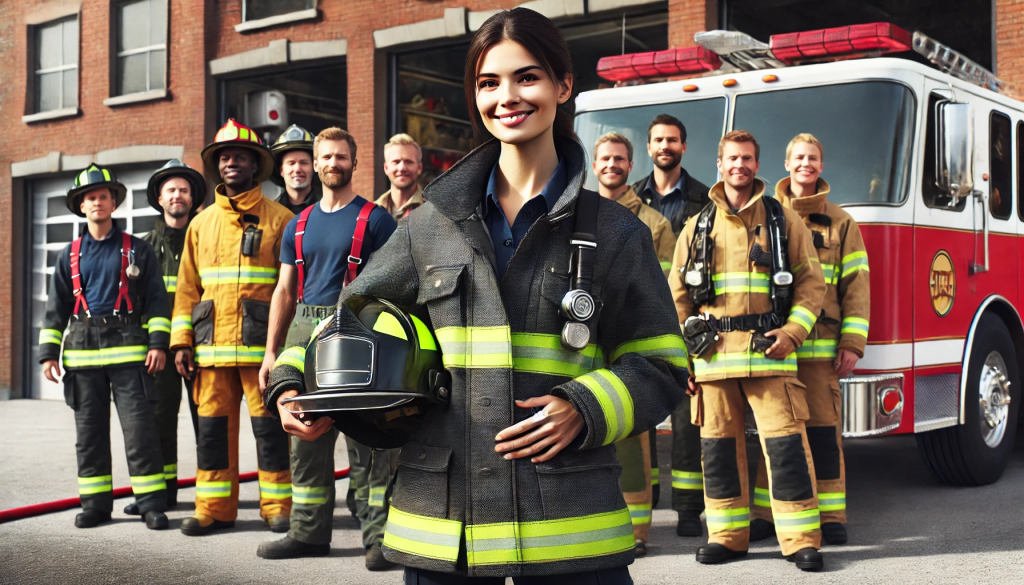
    The fire service has long been regarded as a male-dominated field, steeped in tradition and camaraderie. While these aspects make it unique, they also present challenges for women entering the profession. Women comprise only about 8% of firefighters in the United States, according to the National Fire Protection Association (NFPA). Yet, despite the barriers, women bring invaluable strengths to the table—both physical and mental—that enhance the fire service and benefit the communities we serve.

    Overcoming Challenges and Breaking Stereotypes

    Entering a male-dominated field often means working harder to prove your worth. Many women feel the pressure to perform at a higher standard, as they are often scrutinized more harshly than their male counterparts. This can lead to self-doubt, but it also fosters a determination to succeed. Personally, I’ve experienced this dynamic firsthand. When I joined the fire service, I faced criticism and hostility from some officers in one of my departments. These individuals frequently engaged in lewd conversations, scrutinized my work unfairly, and set me up to fail by assigning tasks without proper training or guidance. It was a difficult and toxic environment to navigate.

    However, not every department operates this way. I was fortunate to also serve in other departments where my skills and contributions were valued. These experiences taught me the importance of fostering welcoming environments where teamwork and mutual respect prevail. Ultimately, I chose to leave the toxic department and focus my efforts on places where I was encouraged to grow and thrive as a firefighter.

    The Strengths Women Bring to the Fire Service

    Women often excel in the fire service by leveraging unique strengths that complement the team dynamic. For example, being smaller in size can be an advantage in confined spaces during search-and-rescue operations. Additionally, women tend to excel in communication, empathy, and collaboration, which are essential traits in high-stress, team-oriented environments. The fire service thrives on true teamwork—everyone bringing their strengths to the table to accomplish a shared mission.

    Studies also suggest that diverse teams perform better in high-pressure situations. A 2020 report from McKinsey & Company found that diverse workplaces are 35% more likely to outperform their peers. In the fire service, this translates to better problem-solving, more innovative solutions, and ultimately, improved outcomes for the communities we serve.

    Inspired by Women Who Paved the Way

    My Aunt, a career firefighter/paramedic, was one of my earliest role models. Her dedication, resilience, and professionalism inspired me to pursue a career in the fire service and to be the best version of myself. Watching her navigate the challenges of the job while maintaining her integrity and compassion gave me a roadmap for success.

    Her example also taught me the value of mentorship and support. It is critical for women entering male-dominated fields to seek out allies and role models who can provide guidance, encouragement, and wisdom. The fire service, like any other profession, is only as strong as the people within it. By lifting each other up, we ensure the safety and success of the entire team.

    Moving Forward: Creating a More Inclusive Fire Service

    While progress has been made, there is still work to do to create a more inclusive fire service. Departments must prioritize fostering respectful, welcoming environments where all firefighters—regardless of gender—can thrive. Leadership plays a crucial role in setting the tone and addressing toxic behaviors. When women feel supported, they can contribute to their full potential, enhancing the effectiveness of the entire team.

    For those entering the fire service, my advice is to stay true to yourself, seek out departments and leaders who value your contributions, and never stop advocating for better mental health and workplace culture. The fire service is built on trust, respect, and teamwork—qualities that transcend gender and unite us in our shared mission to serve and protect.

    As women in the fire service, we may face unique challenges, but we also have unique strengths. By breaking barriers and shattering stereotypes, we pave the way for the next generation of women firefighters, creating a stronger, more inclusive fire service for all.