Tag: healthcare

  • Mentorship in EMS: Lessons from My Relationship with Ron Morin

    Mentorship in EMS: Lessons from My Relationship with Ron Morin

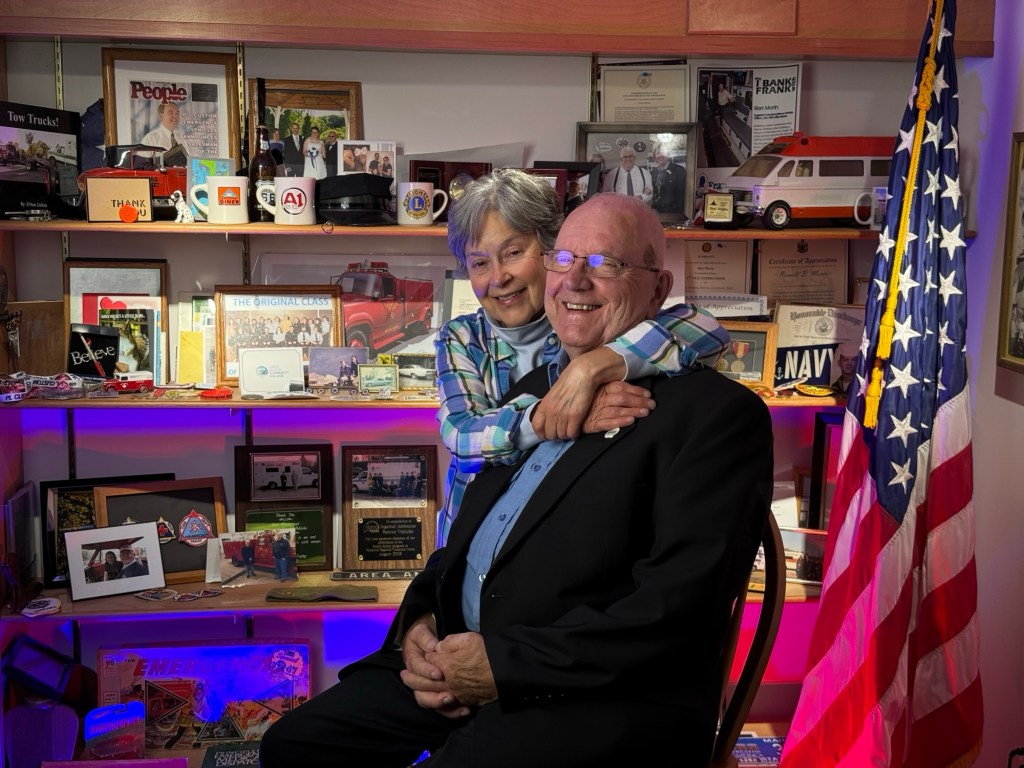
    Mentorship is a cornerstone of growth in any field, but in Emergency Medical Services (EMS), where the stakes are high and the learning curve is steep, it can be transformative. For me, mentorship came in the form of Ron Morin—a pioneer in Maine EMS whose career spanned over four decades, starting with the state’s very first paramedic program. His passion for the field didn’t stop with patient care; it extended to ambulance design, regional sales, education, and advocacy. But our story didn’t begin in the thick of his career. It started after Ron and his wife Becky, a paramedic and nurse practitioner, had retired—a time when I was just starting my journey as an EMT.

    At the time, I was still figuring out my path in healthcare and emergency medicine. Meeting Ron and Becky couldn’t have come at a better time. Their thoughtful guidance, experience, and unwavering encouragement became a steadying force in my life. As our relationship grew, so did the depth of their impact on me. Today, I’m proud to call them my chosen grandparents—a title they’ve earned through years of offering love, support, and wisdom.

    A New Chapter: Touring and Writing with Ron

    One of the most rewarding aspects of my mentorship with Ron has been our work together on the Squad 51 History and Education Project, his nonprofit educational initiative. Touring the Northeast with Ron, we’ve worked to inspire new generations of EMS professionals and connect with seasoned veterans who grew up watching the iconic show Emergency! These trips have been more than just professional opportunities—they’ve been lessons in history, community, and the evolution of EMS.

    In 2023, our collaboration deepened when I began working on Ron’s autobiography. As I transcribed his stories, I gained insight into the origins of 911 services in rural Maine, the challenges faced by early paramedics, and the profound dedication it takes to build a system that saves lives. Beyond his professional journey, I’ve learned about the enduring love and partnership he shares with Becky, the resilience they’ve shown through life’s challenges, and their tireless commitment to the EMS community.

    What Ron Taught Me About Mentorship

    Ron’s mentorship has been a masterclass in patience, perspective, and humility. He’s taught me that no matter how advanced our tools or protocols become, EMS is ultimately about people—about their stories, struggles, and triumphs. His advice has helped me become not just a better EMT, but a more compassionate and grounded healthcare provider.

    One of the most profound lessons I’ve learned is the importance of listening—really listening. Whether it’s a patient in crisis, a colleague in need of support, or the wisdom of someone who’s been in the field for decades, listening creates the space for growth and connection.

    It’s also because of Ron and Becky’s encouragement that I found the courage to start this blog, Mind Over Mayday. Sharing my story and advocating for first responder mental health wouldn’t have been possible without their belief in me.

    Why You Should Seek a Mentor in EMS

    Mentorship in EMS isn’t just about passing down technical knowledge; it’s about building relationships that challenge, support, and inspire. Here are a few reasons why finding a mentor could change your career—and your life:

    1. Perspective: Mentors like Ron bring a wealth of experience that helps put the challenges of the job into context. Their stories remind us why we chose this field in the first place.

    2. Guidance: A mentor can help you navigate career decisions, refine your skills, and avoid common pitfalls.

    3. Support: The demands of EMS can be overwhelming, but having someone who understands the unique stressors of the job can make all the difference.

    4. Connection to the Past: Learning from those who’ve shaped the field connects us to its history and inspires us to contribute to its future.

    Honoring the “Dinosaurs” of EMS

    Too often, the wisdom of EMS veterans is overlooked in a field that’s constantly evolving. But the so-called “dinosaurs” of EMS have a depth of knowledge and perspective that no textbook or protocol manual can provide. Their stories are a reminder of how far we’ve come—and how much we still have to learn.

    For me, Ron and Becky have been that bridge between the past and the future, showing me what it means to dedicate your life to a calling. Their mentorship has shaped my career and my perspective, and I’ll forever be grateful for the lessons they’ve taught me.

    So, if you’re new to EMS—or even if you’re not—find a mentor. Seek out someone who inspires you, challenges you, and helps you grow. And when the time comes, pass that knowledge along. Because mentorship isn’t just about becoming better at what you do; it’s about ensuring the next generation is even stronger.

    To Ron and Becky—thank you for everything. Your impact on my life and my career is immeasurable, and I hope to honor it by continuing to learn, grow, and give back.


  • Vicarious Resilience: Finding Strength Through Stories of Survival

    Vicarious Resilience: Finding Strength Through Stories of Survival

    As first responders, we are often exposed to some of the most challenging moments in people’s lives. The emergencies we encounter can weigh heavily on us, leaving behind an emotional residue that is difficult to process. Yet, amidst the chaos and heartbreak, there is a profound gift: the ability to witness resilience.

    Vicarious resilience, a concept born from the field of trauma therapy, refers to the strength and healing we gain by observing others overcome adversity. For first responders, this can take many forms—watching a patient fight for their life and recover, seeing families come together during crises, or learning from colleagues who persevere despite the hardships of the job. These stories serve as powerful reminders of human strength, giving us the hope and courage to continue showing up, no matter how difficult the day may be.

    The Transformative Power of Resilience

    Each shift presents us with moments where resilience is on full display. It could be a child smiling through pain, a survivor expressing gratitude, or a colleague standing tall after enduring unimaginable challenges. These experiences are not just fleeting snapshots—they have the potential to inspire personal growth, foster empathy, and build a sense of purpose.

    Vicarious resilience is a vital antidote to the emotional toll of our work. It shifts the narrative from despair to hope, reminding us that even in the darkest moments, there is light. When we allow ourselves to absorb these stories, they can become tools for our own healing.

    Introducing: Stories of Strength—A New Interview Series

    To further explore the impact of resilience in the first responder community, I’m excited to announce a new blog series: Stories of Strength: Interviews with First Responders and Survivors.

    In this series, I’ll sit down with professionals from the field and individuals who have endured and overcome significant challenges. Together, we’ll discuss the moments that shaped their journeys, the lessons they’ve learned, and how their experiences can inspire hope and healing in others.

    Through these interviews, my goal is to create a space where we can celebrate resilience in all its forms. By sharing these stories, I hope to offer readers—whether they are first responders, mental health advocates, or anyone facing their own battles—a source of comfort, encouragement, and perspective.

    Finding Your Own Resilience

    Witnessing the resilience of others is a gift, but it is equally important to recognize your own strength. Each time you show up for a call, comfort a patient, or support your peers, you are embodying resilience. Take time to honor that within yourself.

    As we move forward with this series, I invite you to join me on this journey of discovery and growth. Let’s shine a light on the incredible strength within our community and use these stories as stepping stones toward healing and hope.

    Stay tuned for the first interview in the series—it’s a story you won’t want to miss.

    Together, let’s find strength in the resilience around us and within us.

  • The Emotional Backpack: What We Carry Home After Every Shift

    The Emotional Backpack: What We Carry Home After Every Shift

    Every first responder knows the feeling of coming home after a tough shift—the weight that follows you through the door, the mental replay of a critical call, or the silence that fills the space where words fail. This invisible weight, often referred to as “emotional residue,” builds up over time, creating what I call The Emotional Backpack.

    We may not realize how full that backpack is until it spills over, affecting not just our well-being but also our personal relationships.

    What’s in the Backpack?

    Each call we respond to leaves something behind. For some, it’s the heartache of comforting a grieving family. For others, it’s the frustration of a chaotic scene or the stress of making split-second decisions. Even the calls that go “smoothly” can leave behind fatigue and emotional drain.

    We don’t leave these moments behind when we clock out. Instead, they come home with us, shaping how we interact with our loved ones. This can show up as:

    • Irritability or withdrawal: Small things may trigger disproportionate reactions, or we might disengage entirely.

    • Difficulty communicating: It’s not always easy to find the words to explain what we’ve been through—or to decide whether we want to share at all.

    • Emotional unavailability: Being emotionally drained at work can leave little energy for connection at home.

    Over time, this can create distance in our relationships, strain communication, and leave loved ones feeling shut out.

    How to Leave Work Stress at the Door

    While we can’t avoid the emotional impact of the job, we can take steps to manage how much of it we bring home. Here are some strategies to help lighten the load of that emotional backpack:

    1. Create a Transition Ritual

    Give yourself a buffer between work and home. This could be listening to music on the drive, taking a walk, or even sitting quietly for a few minutes before stepping inside. These moments of intentional transition can help you shift gears mentally and emotionally.

    2. Offload the Backpack

    Find ways to process what you’ve been through. Talk to a trusted colleague, write in a journal, or seek professional support if needed. Sharing your thoughts—even if only with yourself—can reduce their weight.

    3. Set Boundaries

    While it’s important to share parts of your workday with your loved ones, it’s equally important to protect your personal space from becoming an extension of your job. Be honest about your need to decompress, but also make space for meaningful connection.

    4. Practice Mindfulness

    Grounding techniques like deep breathing or meditation can help bring you into the present moment, reducing anxiety and helping you leave the intensity of work behind.

    5. Nurture Personal Connections

    Make a conscious effort to engage with your family or friends. Even small acts, like asking about their day or planning quality time, can strengthen bonds and remind you of the support system you have.

    6. Prioritize Self-Care

    Regular exercise, adequate sleep, and balanced nutrition are essential for maintaining emotional resilience. Self-care isn’t selfish—it’s necessary for showing up fully at work and at home.

    The Ripple Effect

    As first responders, we pride ourselves on being strong and dependable. But true strength comes from acknowledging the impact of the job and taking steps to manage it. When we learn to offload some of the emotional residue we carry, we’re not only helping ourselves—we’re showing up better for the people who matter most.

    Your emotional backpack doesn’t have to weigh you down. By practicing self-awareness, setting boundaries, and nurturing personal relationships, you can keep work stress from spilling into your home life, creating space for joy, connection, and peace.

    So, the next time you walk through your door, ask yourself: What am I carrying? And what can I set down?

  • Caring for the Dead and Dying: A Sacred Responsibility

    Caring for the Dead and Dying: A Sacred Responsibility

    In the emergency room, we stand at the intersection of life and death, where every moment can shift from hope to heartbreak. Some days, despite everything we do, someone slips away. When that happens, my role changes—from fighting to save a life to honoring the one that has just ended. It’s a sacred responsibility, one I approach with reverence and care, but it’s also a heavy burden to carry.

    After a loss, the real battle begins in my mind. It’s a constant tug-of-war between relief and guilt. Relief comes when death feels like mercy—when someone’s suffering ends after a long battle with pain or illness. But guilt is never far behind. Could we have done more? Did I do enough? These questions echo in my mind, weighing on my heart.

    I remind myself of my mantra: We are not God. We don’t decide who lives or dies. We just do the best we can and leave the rest to a Higher Power. I know this truth, but it doesn’t always quiet the ache. The weight lingers—a mix of sorrow, self-reflection, and an unshakable sense of responsibility.

    Caring for the dead is, for me, a deeply spiritual act. I approach it as I would for a loved one, with gentleness and respect. I clean their body, speaking to them softly as I work, telling them what I’m doing. I close their eyes with care, sometimes offering a prayer or words of peace. These small acts are my way of honoring their life and helping guide their spirit to rest. It’s a sacred moment, a final goodbye, and a reminder of our shared humanity.

    But then comes the cleanup—the part no one prepares you for. The crash cart still sits in the room, its monitor frozen on asystole. The bright fluorescent lights seem harsher than ever, illuminating every detail: the blood, the tubes, the remnants of everything we tried to do. The smell of blood and chemicals lingers in the air, overwhelming my senses. The silence after the chaos feels deafening, broken only by the mechanical sounds of cleaning up the room.

    It’s a sensory overload—the sights, the smells, the memories of what just happened. Cleaning up feels both mechanical and deeply personal. It’s as if we’re closing the chapter on a battle we lost, packing away the tools of a fight that didn’t end the way we’d hoped. These moments are raw, and they stay with me long after the room is ready for the next patient.

    This work is not easy. It leaves an emotional weight that can feel unbearable at times. But even in the midst of grief and exhaustion, I find meaning. I remind myself that every fight matters, even when we don’t win. I hold on to the knowledge that death is not always a tragedy—sometimes, it’s a release from unimaginable suffering.

    Saving lives and losing them are two sides of the same coin, inseparable and relentless. My job isn’t to control the outcome; it’s to give everything I have, to honor the lives in my care, and to carry the weight of loss because that’s the price of compassion and service.

    And so, I keep going. Through the relief and the guilt, the harsh cleanup and the sensory overload, I find peace in the knowledge that I’ve done all I could. Each life I touch, even in their final moments, deserves dignity, care, and love. This belief sustains me when the weight feels too heavy to carry and reminds me why I do what I do.

  • The State of Mental Health Care in Maine: Limited Options, High Costs, and a Broken System

    The State of Mental Health Care in Maine: Limited Options, High Costs, and a Broken System

    Maine’s mental health system is in crisis, and the strain is felt by everyone—from first responders like myself to individuals across the state who are left without adequate care. Whether you’re navigating the system as someone seeking services or as someone supporting others in crisis, it’s impossible to ignore the profound gaps that exist between outpatient therapy and full-scale inpatient hospitalization.

    Beyond the state-run Riverview Psychiatric Center in Augusta and Dorothea Dix Psychiatric Center in Bangor, Maine has only a handful of facilities that provide inpatient psychiatric care. Spring Harbor Hospital in Westbrook, St. Mary’s Behavioral Health Services in Lewiston, and Northern Maine Medical Center in Fort Kent all offer critical services, but their capacity is limited. The number of beds available in these facilities is far too small to meet the needs of our population. When someone is in crisis, the odds of finding a bed nearby are slim, leading to long waits in emergency departments or, worse, no care at all.

    One of the most glaring issues is the lack of services that bridge the gap between outpatient therapy and inpatient hospitalization. For those experiencing a mental health crisis that doesn’t require inpatient care but goes beyond what a weekly therapy session can address, the options are nearly nonexistent. Intensive outpatient programs (IOPs) and partial hospitalization programs (PHPs), which provide structured support without requiring overnight stays, are rare in Maine. This leaves individuals in limbo—unable to access the level of care they need until their situation worsens to the point of requiring hospitalization- which is then limited by the number of beds.

    As someone who has personally needed psychiatric services, I’ve felt the frustration and fear of navigating this broken system. The financial cost of care is another barrier for many. Even with insurance, the out-of-pocket expenses for therapy, medications, and specialized programs can be overwhelming. For those without insurance or with high-deductible plans, these services are simply out of reach.

    For first responders like myself, the stakes are even higher. We’re often the ones called to respond when someone’s mental health crisis reaches a breaking point, and we see the toll that untreated mental illness takes on individuals, families, and communities. Yet, when we or our peers need help, we face the same challenges as everyone else—long waits, limited options, and prohibitive costs. This lack of support contributes to burnout, trauma, and tragically, high rates of suicide among first responders.

    What’s most disheartening is the lack of any meaningful initiatives in Maine to address these issues. Mental health funding remains insufficient, and there’s little momentum toward expanding services or making care more accessible. While telehealth has improved access for some, it’s not a solution for everyone, especially those in rural areas without reliable internet or those who need in-person support.

    We need real change. Maine must invest in creating more beds for inpatient psychiatric care, expanding intermediate care options like IOPs and PHPs, and ensuring that these services are affordable and accessible to everyone. We also need to address the workforce shortage by incentivizing mental health professionals to work in Maine, particularly in underserved areas.

    Mental health care is not a luxury—it’s a necessity. Whether you’re a first responder carrying the weight of others’ crises or an individual struggling to navigate your own, you deserve access to the care you need. It’s time for Maine to prioritize mental health and take bold steps to fix a system that is failing far too many of us.

    Advocating for Improved Mental Health Services in Maine

    To effectively advocate for improved mental health services in Maine, connecting with your local legislators is essential. You can easily find your State Senator and State Representative using the resources provided by the Maine State Legislature.

    Once you’ve identified your legislators, you can contact them using the following options:

    • Mail:
      • State Representatives: House of Representatives, 2 State House Station, Augusta, ME 04333-0002
      • State Senators: Maine State Senate, 3 State House Station, Augusta, ME 04333-0003
    • Phone:

    For a full list of contact details, including email addresses, visit the Maine House of Representatives Contact Page.

    Engaging with your local legislators is a vital step toward addressing the gaps in Maine’s mental health system. Your voice can drive meaningful changes to improve access, affordability, and availability of mental health services across the state.

  • National Legislative Efforts for First Responder Mental Health: Why We Must Keep Raising Our Voices

    National Legislative Efforts for First Responder Mental Health: Why We Must Keep Raising Our Voices

    First responders are the backbone of our communities, showing up during our worst moments to protect, heal, and save lives. Yet, the toll of witnessing trauma and carrying the weight of those experiences is often overlooked. Despite the undeniable need, resources for mental health support remain inadequate. Thankfully, there are growing efforts at the national level to address these issues, but it’s up to us to ensure they don’t fall through the cracks.

    In a previous post, I discussed how first responders can engage in policy advocacy to create meaningful change. Now, let’s dive into the current legislative efforts and why your voice is crucial in pushing these initiatives forward.

    Current Legislative Efforts

    1. First Responders Wellness Act

    Introduced in July 2024 by Senators Kirsten Gillibrand (D-NY) and Josh Hawley (R-MO), this bipartisan bill proposes the creation of a grant program to enhance mental health services for first responders. It also includes the establishment of a national mental health hotline specifically for law enforcement officers, firefighters, EMTs, and others on the frontlines.

    Current Status: The bill has been referred to the Committee on the Judiciary, where it awaits further review.

    2. CARE for First Responders Act (H.R.6415)

    Introduced in the House in November 2023, this bill seeks to provide specialized mental health, substance abuse, and crisis counseling services to first responders. The aim is to address the unique challenges these professionals face, including chronic stress and burnout.

    Current Status: Referred to the Subcommittee on Economic Development, Public Buildings, and Emergency Management for further discussion.

    3. Fighting Post-Traumatic Stress Disorder Act of 2023

    Reintroduced by Senator Chuck Grassley (R-IA) in early 2023, this legislation aims to establish programs designed to help first responders cope with the long-term effects of trauma, such as PTSD and depression.

    Current Status: Under consideration, with ongoing discussions about how to best implement and fund these programs.

    The Alarming Reality: Suicide Rates Among First Responders

    The mental health challenges faced by first responders are profound, with suicide rates notably higher than those of the general population. A study by the U.S. Fire Administration analyzing data from 2015 to 2017 found that first responders accounted for 1% of all suicides during that period. Within this group, 58% were law enforcement officers, 21% were firefighters, 18% were EMS providers, and 2% were public safety telecommunicators.

    Further research indicates that 37% of fire and EMS professionals have contemplated suicide, a rate nearly ten times higher than that of American adults. A 2018 white paper by the Ruderman Family Foundation revealed that police officers and firefighters are more likely to die by suicide than in the line of duty.

    These statistics underscore the urgent need for comprehensive mental health support tailored to the unique challenges faced by first responders.

    The Need for Continued Advocacy

    Legislative efforts like these are an incredible step forward, but they can’t stop here. Bills like the First Responders Wellness Act and the CARE for First Responders Act are only the beginning. To make real change, we need to ensure these efforts are not only passed but also expanded upon and adequately funded.

    Mental health is not a luxury—it’s a necessity for the longevity and well-being of the people who protect us. Without proper support, first responders face increased risks of burnout, PTSD, depression, substance use, and even suicide.

    What Can We Do?

    As I’ve shared before, first responders have a unique and powerful voice in policy advocacy. Here’s how we can ensure these bills move forward and inspire further action:

    1. Contact Your Representatives

    Share your story and explain why these bills matter. Personal accounts from first responders carry immense weight in demonstrating the need for change.

    2. Raise Awareness

    Use your platform, whether it’s social media, local meetings, or community events, to inform others about these legislative efforts.

    3. Collaborate

    Partner with advocacy organizations focused on first responder mental health. Groups like the National Alliance on Mental Illness (NAMI) and local firefighter and EMS unions are often at the forefront of these battles.

    4. Stay Engaged

    Track the progress of these bills and hold your representatives accountable. If progress stalls, follow up.

    A Call to Action

    The time for action is now. Legislative momentum can waver without visible public support. It’s up to us to keep the conversation alive, push for better mental health resources, and ensure that the government invests in the well-being of first responders.

    We must continue to demand more—not just for the passage of these bills, but for the expansion and funding of mental health initiatives across the board. When we advocate for ourselves and our peers, we create a safer, healthier future for everyone.

    Let’s raise our voices together and ensure that these critical efforts become law. The well-being of our first responders depends on it.

    If you’re unsure where to start with policy advocacy, check out my previous post on how first responders can get involved. Let’s make our voices heard!

  • How to Use Trauma-Informed Dialogue to Support Someone Who’s Struggling

    How to Use Trauma-Informed Dialogue to Support Someone Who’s Struggling

    When someone you care about—whether a friend, family member, colleague, or fellow first responder—is struggling, your words and approach can make a huge difference. Trauma-informed dialogue focuses on creating a safe, nonjudgmental space where they feel heard, supported, and understood. Here’s how to implement this compassionate approach:

    1. Prioritize Safety and Trust

    • Start with empathy: Begin by acknowledging their struggle without judgment or assumptions. For example:

    “I’ve noticed you seem a bit off lately, and I wanted to check in. How are you doing?”

    • Be consistent and reliable: Show up when you say you will, listen without interruption, and maintain confidentiality to build trust.

    2. Use Nonjudgmental Language

    • Avoid blame or shaming statements like, “You’re overreacting” or “Why can’t you just let it go?”

    • Instead, try: “That sounds really difficult. I can understand why you’d feel that way.”

    • Remember, trauma responses aren’t about being “weak” but are the brain’s way of coping with overwhelming stress.

    3. Practice Active Listening

    • Give them space to speak: Sometimes, they need to process their thoughts out loud. Avoid jumping in with advice right away.

    • Reflect what you hear to show understanding:

    “It sounds like you’re feeling overwhelmed and unsure where to start. That makes a lot of sense.”

    4. Avoid Triggers

    • Trauma can make certain words, tones, or topics feel threatening. Pay attention to their body language and emotional cues.

    • If they seem agitated or withdrawn, adjust your approach. Use calm, reassuring tones and focus on the present moment.

    5. Focus on Empowerment, Not Fixing

    • Instead of saying, “You should…” or “Here’s what you need to do…”, try asking:

    “What do you think would help right now?”

    • Validate their strengths: “I know this is hard, but I’m amazed by how strong you’ve been through everything.”

    6. Know When to Step Back and Offer Resources

    • If their struggles are beyond what you can handle, gently suggest professional support:

    “I’m here for you, but I wonder if talking to someone like a counselor or therapist might help. I can help you find someone if you’d like.”

    • Offer resources without pressure, such as crisis lines, peer support groups, or wellness programs.

    7. Follow Up

    • Support isn’t a one-time conversation. Check in periodically:

    “I’ve been thinking about you. How have things been going?”

    • Even small, consistent actions—like sending a thoughtful text—show that you care.

    Why It Matters for First Responders

    First responders often face unique challenges, including cumulative stress and exposure to traumatic events. Trauma-informed dialogue acknowledges these pressures without minimizing them. It’s about saying, “I see you, I hear you, and I’m here for you,” in a way that respects their experience and humanity.

    By using trauma-informed dialogue, you’re not just helping someone feel supported—you’re creating a foundation for trust, healing, and resilience. Together, we can break down the stigma around seeking help and foster a culture of compassion and understanding.

    You’re never alone in this journey. Let’s make sure no one else feels they are, either.

    Still feeling lost? Here is a sample conversation that puts trauma informed dialogue into practice…

    Scenario: Two EMTs, Chris and Taylor, are chatting after a shift. Chris has noticed Taylor has been quieter than usual and seems stressed.

    Opening the Conversation

    Chris:

    “Hey Taylor, you’ve seemed a bit off the last few shifts. Everything okay?”

    Taylor:

    “Yeah, I’m fine. Just tired, I guess.”

    Chris:

    “I get that—this job takes it out of you. But I don’t know, it seems like more than just being tired. I’m here if you want to talk.”

    Acknowledging and Validating

    Taylor:

    “I don’t know, man. It’s just been a lot lately. That call last week with the kid… I can’t stop thinking about it.”

    Chris:

    “Yeah, that was a tough one. Those kinds of calls stick with you. It’s completely normal to feel like this.”

    Taylor:

    “I keep wondering if we missed something, you know? Like, what if there was something more we could have done?”

    Chris:

    “That’s a heavy weight to carry. I’ve felt like that before too—second-guessing everything. But from what I saw, you did everything you could. That kid had the best chance because of you.”

    Using Active Listening

    Taylor:

    “I know you’re probably right, but it just doesn’t feel that way. And then every time I try to sleep, it’s like I’m back on that call.”

    Chris:

    “That sounds rough. Not being able to shake it and having it mess with your sleep—it’s no wonder you’re feeling drained. It makes sense that this would be sticking with you.”

    Taylor:

    “Yeah. And I can’t really talk about it at home. It doesn’t feel right to bring that stuff home, to talk about something like that with my wife who doesn’t need that image in her head too.”

    Chris:

    “That’s tough, I know the feeling. But you can always talk to me. You don’t have to carry this alone.”

    Focusing on Empowerment

    Chris:

    “Have you thought about what might help you feel a little better? Sometimes talking to someone outside of work, like a counselor, can help sort through all of this.”

    Taylor:

    “I don’t know. I’ve never done that before. Feels kind of… weak, you know?”

    Chris:

    “Trust me, I’ve been there. I thought the same thing, but talking to someone helped me work through stuff I didn’t even know was weighing me down. It’s not about being weak—it’s about taking care of yourself so you can keep doing this job.”

    Offering Support

    Chris:

    “If you want, I can help you find someone to talk to. I know a few resources that specialize in first responders. No pressure, just an option.”

    Taylor:

    “Yeah, maybe. I’ll think about it.”

    Chris:

    “That’s all I ask. In the meantime, let me know if you want to grab coffee or vent about anything. There’s also a support group I go to sometimes, once a month, if you’d ever want to go with me. No matter what, I’ve got your back.”

    Taylor:

    “Thanks, Chris. I appreciate it. It would be nice to grab coffee outside of work sometime, and let me know when that group is. I’ll give anything a try at this point.”

    This example highlights trauma-informed dialogue by creating a safe space, validating feelings, avoiding judgment, and empowering the struggling colleague to consider next steps. It’s a realistic approach to starting meaningful conversations about mental health in the workplace.

    If you’re unsure of how to start a conversation with someone who is struggling, reach out to mindovermayday@gmail.com and you will receive personalized advice compiled by myself and my own mentors. Note: we are not licensed therapists or counselors, just fellow first responders on a mission to help other first responders in crisis.

  • Using TIPP to Manage Emotional Distress After Traumatic Calls

    Using TIPP to Manage Emotional Distress After Traumatic Calls

    First responders often face high-stress, emotionally taxing situations that can lead to overwhelming emotions after a traumatic call. TIPP (Temperature, Intense exercise, Paced breathing, Progressive relaxation) provides actionable strategies to manage these feelings effectively. These practices have each helped me tremendously after intense or traumatizing calls. Here’s how first responders can use each component:

    T – Temperature: Cool Your System

    Trauma can cause your body to go into fight-or-flight mode, escalating emotional intensity. Using cold temperatures can help calm your nervous system.

    • How to Apply:

    • Splash cold water on your face or hold an ice pack against your cheeks for 30 seconds.

    • Use cold compresses on your neck or wrists.

    • If accessible, step into a cooler environment (e.g., an air-conditioned space).

    • Why it Works:

    Cooling your body activates the mammalian dive reflex, which slows your heart rate and reduces stress.

    I – Intense Exercise: Burn Off Energy

    After a traumatic call, adrenaline and cortisol levels spike, leading to physical restlessness and emotional overwhelm. Intense exercise provides a healthy outlet.

    • How to Apply:

    • Do 30-60 seconds of jumping jacks, push-ups, or sprinting.

    • Engage in vigorous activities like running stairs or shadowboxing.

    • If at your station, consider using available equipment like kettlebells or a treadmill.

    • Why it Works:

    Intense movement burns off excess stress hormones, re-regulating your body and mind.

    P – Paced Breathing: Reclaim Control

    Hyperventilation often accompanies emotional distress. Paced breathing counters this by slowing your breath and calming your body.

    • How to Apply:

    • Inhale deeply through your nose for 4 seconds.

    • Hold your breath for 4 seconds.

    • Exhale slowly through your mouth for 6-8 seconds.

    • Repeat this pattern for 1-2 minutes.

    • Why it Works:

    Deliberate breathing engages the parasympathetic nervous system, helping reduce feelings of panic or overwhelm.

    P – Progressive Muscle Relaxation: Release Tension

    Trauma often causes physical tension. Progressive relaxation helps release that tension and refocus your mind.

    • How to Apply:

    • Start with your toes: tense the muscles tightly for 5-10 seconds, then release.

    • Gradually work upwards through your legs, torso, arms, and face.

    • Pair this exercise with deep, slow breathing for added relaxation.

    • Why it Works:

    This technique reduces physical tension associated with stress and anchors you in the present moment.

    When to Use TIPP

    First responders can use TIPP immediately after a traumatic call, during a quiet moment at the station, or at home when distress surfaces. These techniques are portable, require no special tools, and work quickly to lower emotional intensity.

    By incorporating TIPP into self-care routines, first responders can process trauma effectively, reduce emotional overload, and maintain mental well-being. Remember, seeking additional support from peers or mental health professionals is always encouraged.

  • Adapting to 12-Hour Night Shifts: Maintaining Health, Focus, and Well-Being

    Adapting to 12-Hour Night Shifts: Maintaining Health, Focus, and Well-Being

    As a first responder and healthcare professional working long and irregular hours, adapting to a 12-hour night shift schedule since working in the hospital has been a journey. Not only do I need to manage the physical demands of my work, but I also need to maintain my mental health and overall well-being. The stress of working night shifts, along with the strain on my sleep schedule, can be overwhelming. Over time, I’ve developed strategies that have helped me stay healthy and alert, both during my shifts and in the time between. This post will walk you through the practical changes I’ve made to stay on top of my health, including my approach to sleep hygiene, mental health medication, and adapting my routines to ensure I’m getting the rest I need.

    1. Mastering Sleep Hygiene for Night Shifts

    Working night shifts means adjusting your body’s natural circadian rhythm, which is the internal biological clock that regulates your sleep-wake cycle. This can be tough, especially if you’re used to being awake during the day. The key to making it work lies in creating strong sleep hygiene practices that ensure you get quality rest, even during the day when the world around you is awake.

    To ensure good sleep hygiene, I’ve taken the following steps:

    • Create a dark, quiet, and cool environment: I use blackout curtains and earplugs to block out light and noise, as these can disrupt my ability to fall asleep during the day.
    • Limit screen time: The blue light from screens can mess with the production of melatonin, the hormone that helps you sleep. I avoid screens for at least an hour before sleep.
    • Keep a consistent sleep schedule: Even though I’m working different hours, I try to stick to a regular routine. This helps my body adjust and keeps my circadian rhythm as balanced as possible.

    By sticking to these sleep practices, I’ve been able to get solid, restorative sleep, even with a rotating night shift schedule.

    2. Adjusting My Medication Schedule for Effectiveness

    For someone who has struggled with mental health in the past, finding the right medication regimen is crucial. Since working night shifts, I’ve had to make adjustments to my medication schedule to ensure they are working effectively when I’m awake and alert.

    I take certainmedications in the evening, right before I start my shift, such as my anti-psychotic, and my non-amphetamine stimulants, ensuring they’re active during the night. I take my mood stabilizer, vitamins, and LifeVantage supplements at the same time in the morning every day, regardless of whether I’m working. This helps keep me balanced and focused throughout my shift while still getting the proper amount of rest when it’s time for sleep.

    When I’m not working, I’ll typically skip my stimulants for the first day that I’m off, so that I don’t take a double-dose within a 24-hour period. This also allows my body to reset to being awake during the day and asleep at night since I tend to group my shifts together so that I spend about half the week on nightshift schedule, and the other half on a regular schedule. When I’m preparing to start my nightshift schedule again, I’ll typically stay up late the night before my shift, skip my stimulants in the morning, stay wake for a few hours in the morning, and then sleep during the day. I’ll then start my nightshift routines and regimen again.

    Disclaimer- Work with a psychiatrist on altering and adapting your mental health medication regimen. Do not make changes independently. These licensed professionals can guide you on the best regimen to fit your schedule.

    3. Bidding Farewell to Energy Drinks: A Game-Changer

    Energy drinks had once been a major part of my night shift routine. I was consuming 3-4 Celsius or Monster drinks per shift to stay awake and alert. At first, they seemed to give me the energy boost I needed, but soon I realized they were wreaking havoc on my body.

    The sugar and caffeine spikes from energy drinks led to erratic energy levels, making me crash several times during, and after my shift. I also noticed that I had intense sugar cravings, and my mood would dip after the energy high wore off. These highs and lows affected my concentration, mood, and overall sense of well-being.

    That’s when I got introduced to AXIO by LifeVantage. AXIO provides a clean, sustained energy boost without the crash. It’s not only helped me stay alert throughout my shift, but I’ve also noticed a significant decrease in sugar cravings, better mental clarity, and even weight loss. This switch has been a game-changer, and I now feel much more in control of my energy levels.

    4. Managing Stress Hormones and Oxidative Stress with Protandim

    Night shifts can affect more than just your sleep cycle—they can significantly alter your hormone and neurochemical pathways, contributing to chronic stress. Working at night increases cortisol levels (the body’s primary stress hormone) and disrupts the natural balance of other hormones that regulate mood, appetite, and sleep.

    The body’s response to night shifts causes an increase in oxidative stress—when free radicals overwhelm the body’s ability to neutralize them, leading to damage in cells, tissues, and organs. With regular, restorative sleep, these free radicals get flushed out by the body, but when having sleep disruptions or changes in sleep pattern due to night shifts, this does not happen as effectively. Over time and with age, we tend to hold on to more and more free radicals in our bodies, this can contribute to various health problems, including burnout, chronic fatigue, and even cardiovascular issues.

    I’ve found that Protandim by LifeVantage has been instrumental in helping me manage stress hormones and oxidative stress. Protandim is an antioxidant supplement that helps the body combat oxidative stress, reduce inflammation, and support overall health. Since I’ve started using it, I’ve noticed a significant reduction in my feelings of being “on-edge” all the time, and I feel more balanced in my mental and emotional health. This has been crucial in helping me manage the stress of my job and the irregular hours that come with it.

    5. Power Naps: The Secret to Staying Alert

    Sometimes, a full night’s sleep isn’t always possible, especially when working long shifts. That’s why I’ve found that taking a short, strategic nap during my shift can work wonders for my alertness and energy levels. Even just a 15-20 minute nap can be incredibly refreshing.

    During my lunch break or downtime, I’ll take a quick nap in my car or a quiet area at the hospital. This short rest gives me a boost of energy, reduces fatigue, and helps me stay sharp for the second half of my shift. You’d be surprised what even a brief nap can do for your focus and clarity- just make sure you remember to set an alarm!

    I will also take short naps during the days when I’m off and adapting to being awake during the day, and asleep at night. Because of the higher demands on our bodies from a challenging schedule and the work we do, it is natural to feel more tired regardless of how regimented we are. Allowing the space for my body to feel fatigued, is essential. Listening to my body’s needs and allowing for moments of rest when I need them is key to my well-being.

    6. Creating Morning and Night Routines

    Another key factor in adapting to night shifts is maintaining a routine when you wake up, regardless of the time. For me, brewing a pot of fresh coffee or engaging in a calming ritual helps signal to my body that it’s time to wake up. I try to incorporate some form of self-care into my morning and evening routine, such as stretching, to get my body moving before I start my day (or night).

    After work, I have a winding-down routine that helps me relax and prepare for sleep. This includes avoiding intense physical activity right before bed and engaging in calming activities like reading or light stretching.

    7. Adjusting My Appointment Schedule

    I’ve found it helpful to schedule my medical appointments and personal tasks around my sleep schedule. I try to book my appointments for midday, regardless of whether I’m working, allowing me to sleep in the morning after my shift and before I need to wake up for the next one. This ensures that I’m getting adequate rest and that my body is prepared for the demands of the next shift.

    8. Understanding the Neurochemical and Hormonal Effects of Night Shifts

    Night shifts don’t just affect sleep—they also alter the neurochemical and hormonal pathways in our body. When we work at night, it disrupts the secretion of melatonin, the hormone that regulates sleep, and increases the production of cortisol, the stress hormone. This is why night shift workers often feel more stressed and have a harder time adjusting to irregular hours.

    Additionally, night shifts can impact neurotransmitters like serotonin, which regulates mood and sleep. Disruptions in serotonin levels can lead to feelings of irritability, anxiety, and depression. Over time, these disruptions can result in chronic health problems.

    Fortunately, there are ways to mitigate these effects. Ensuring quality sleep hygiene, using stress-reducing supplements like Protandim, and staying active during your waking hours can all help keep your body’s neurochemical and hormonal levels in check.

    Final Thoughts: Prioritizing Your Health

    Adapting to a 12-hour night shift schedule is no easy task, but with the right strategies, it’s possible to stay healthy, alert, and balanced. The key lies in listening to your body and finding routines that work for you, from improving sleep hygiene to managing stress through medications, supplements and naps.

    By taking these steps, I’ve noticed a significant change in how my body handles the stress of night shifts. If you’re a healthcare worker or first responder, I encourage you to take control of your health and make these small but effective changes. Your well-being is worth it.

    A final note- DRINK MORE WATER! Drinking more water may seem simple, but it’s an essential part of staying healthy and energized during long, demanding shifts.

  • The Holidays Through the Eyes of a First Responder: A Different Kind of Celebration

    The Holidays Through the Eyes of a First Responder: A Different Kind of Celebration

    For many, the holidays are a time to gather with family, exchange gifts, and celebrate traditions. But for those of us in the first responder and healthcare community, the meaning of the holidays can look quite different. We don’t always get the luxury of celebrating with our loved ones, and the sights, smells, and memories that come with these special days can often be mixed with the stress, trauma, and demands of our jobs.

    As a first responder, the holidays are a reminder that, while others are cozying up at home with family, we might be in the middle of a shift, answering calls, or working in a hospital, doing our part to care for those in need. Some of us don’t get to experience the holiday cheer when we’re on duty, and for many, this can make the holidays feel intrinsically different from how they may seem to those outside the profession.

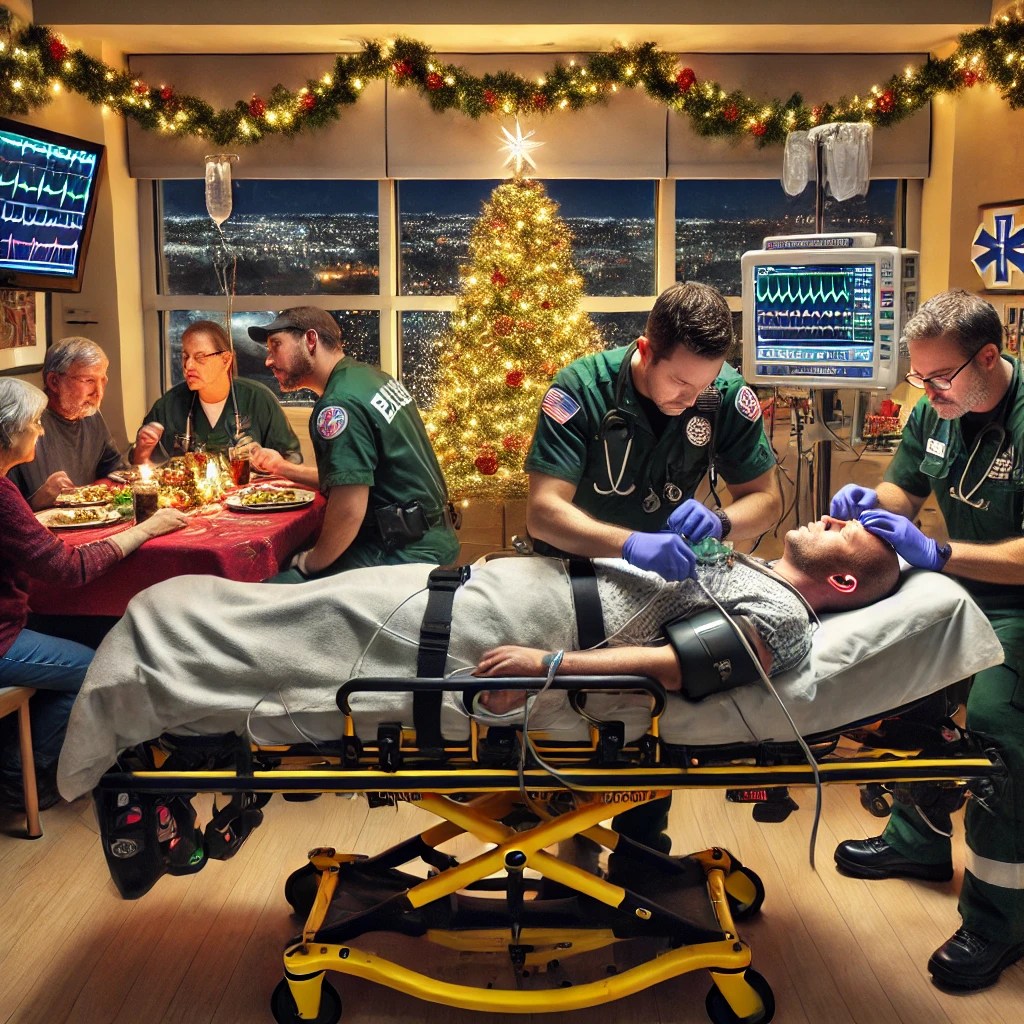
    For example, I’ll never forget the Thanksgiving I worked as an EMT. I responded to a cardiac arrest call that occurred during Thanksgiving dinner. The scene I arrived at was one I’ll never forget: the elderly man’s family was in the middle of a festive meal when he collapsed. Despite our best efforts, he never woke up. As we worked on him, the smell of food lingered in the air—the aroma of mashed potatoes, stuffing, and turkey mixing with the unsettling smell of death. That scent of mashed potatoes stayed with me for a long time after that call, so much so that even the thought of it made me feel nauseous for a while. The experience, unfortunately, became a dark memory associated with what’s supposed to be a joyful day.

    For many of us in the first responder field, this is a reality: we carry the weight of difficult calls and tragic scenes that happen on what should be a celebratory occasion. It’s not uncommon for our work to leave us with heavy memories tied to a holiday, affecting how we approach it in the future.

    What happens when we’re unable to be with our families on the exact day of the holiday? Often, we have to find new ways to celebrate. We shift our celebrations to the days before or after the actual holiday. Our families learn to adapt, making adjustments to their schedules so that we can still come together and create new traditions. It’s not the same as being there in the moment, but it’s the next best thing. This sense of flexibility, and the ability to adjust holiday norms, often becomes an unspoken part of our lives.

    And then there’s the camaraderie we share with our colleagues. Since many of us end up working together during the holidays, we form bonds with the very people we spend most of our time with. Celebrating with colleagues might not feel the same as being with family, but it offers a unique kind of connection. We support each other through the stress of being away from home, and in those moments, we share in the holiday spirit, together. It’s a different kind of celebration—a celebration of resilience, teamwork, and the bonds formed through shared experience.

    This shared sense of unity is what can make the workplace healthier and more positive during the holidays. We know what it’s like to miss out on time with loved ones, so we step up for each other. Sometimes we collaborate on potluck dinners, or plan “secret Santa” and gift exchanges. We look out for one another, offer words of encouragement, and, in a way, create our own family within our team. This is what helps us get through those long shifts and difficult calls while still keeping the holiday spirit alive.

    However, the holidays do come with their own set of challenges. While we’re out there working, we also need to be mindful of the potential risks and accidents that can arise during this festive season. Some common accidents include car crashes from winter weather, fires due to holiday lights or cooking accidents, burns from handling hot food or drinks, and slips and falls from icy sidewalks. As we know all too well, accidents don’t take a holiday, and the stress of dealing with injuries during such a time can add to the emotional weight we carry.

    Here are some helpful tips for first responders and healthcare workers to make the most of the holiday season, even when you’re on the job:

    1. Create New Traditions – The holidays don’t have to be celebrated on the exact day. Adjust your traditions by celebrating before or after your shift. This can help you feel connected to the season, even if you’re working.
    2. Take Small Breaks – If you’re working long hours, carve out brief moments for yourself. A quick walk outside to look at holiday lights, a cup of hot cocoa, or even a few minutes of deep breathing can help you recharge and stay grounded.
    3. Lean on Your Team – The holidays can be tough when you’re away from family, but your colleagues are your second family. Take time to share a laugh, celebrate together, and make the best of the situation. These moments help create a bond that will last beyond the shift.
    4. Find Meaning in Your Work – During the busy holiday season, remind yourself why you do this job. The work you do has a meaningful impact on others, and knowing you’re making a difference can help you feel fulfilled, even if you’re away from home.
    5. Stay Connected Virtually – If you can’t be with your loved ones, take advantage of video calls or texts to stay in touch. Even a quick check-in can help you feel connected and supported.
    6. Practice Self-Care – After a tough call or shift, take time for yourself to decompress. Whether it’s exercising, journaling, or just unwinding with a good book or holiday movie, taking care of your mental health is key to staying balanced during the holidays.
    7. Give Yourself Grace – The holidays may not look like what you imagined, and that’s okay. Be kind to yourself, and recognize that you’re doing your best in a challenging profession. Acknowledge your feelings and give yourself the space to experience them.
    8. Enjoy the Small Moments – Whether it’s the festive decorations in the break room or the smell of holiday treats during a call, appreciate the little moments that bring holiday cheer. These tiny sparks of joy can make a big difference in brightening your day.
    9. Remember You’re Not Alone – Many people in healthcare and first responder roles feel the same way during the holidays. Reach out to your colleagues for support, and remember that we’re all in this together. You’re part of a larger community that understands and appreciates your sacrifices.

    By taking a proactive approach, you can still find ways to make the holidays meaningful—even when you’re working.

    With that in mind, I want to wish everyone a safe and healthy holiday season. Whether you’re working on the frontlines, spending time with family, or creating new traditions, take a moment to appreciate the bonds you share with others. And remember, you’re not alone—whether it’s with your coworkers or the broader first responder community, we’re all in this together.

    Stay safe, stay connected, and let’s continue to support each other during this holiday season and beyond.