Tag: leadership

  • Leadership with Heart: How Compassionate Management and Strength-Based Leadership Can Change Lives

    Leadership with Heart: How Compassionate Management and Strength-Based Leadership Can Change Lives

    In the fast-paced and high-stakes world of emergency medicine, effective leadership isn’t just about making schedules or ensuring protocols are followed—it’s about creating a workplace culture where team members feel seen, valued, and supported, especially during life’s most challenging moments. Great leaders don’t just focus on what the team does but also on who they are, understanding and leveraging the unique strengths each individual brings to the table.

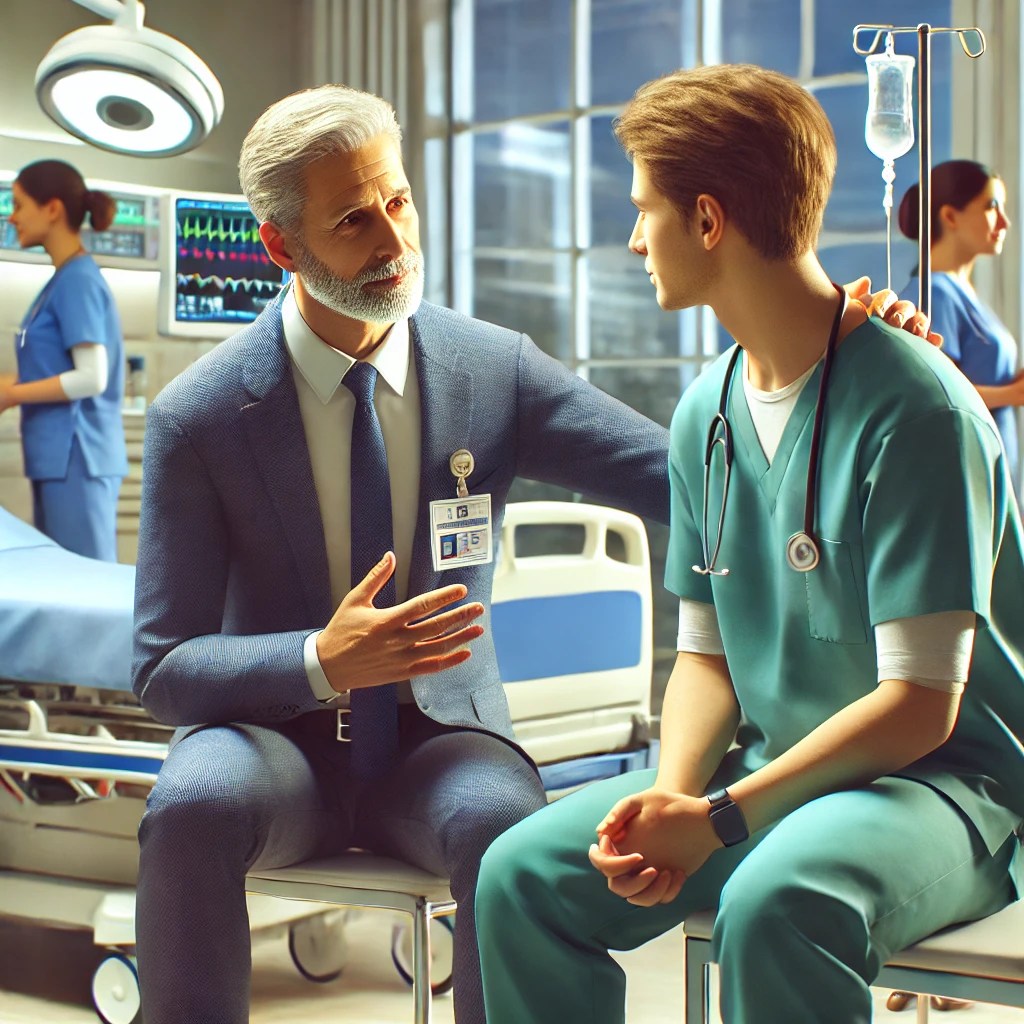
    I’ve had the privilege of working under an extraordinary manager at Central Maine Medical Center’s Emergency Department. Her leadership style embodies the compassion, empathy, and awareness that define not just a great leader, but a truly remarkable human being. Recently, I experienced a family crisis that tested my emotional resilience. The weight of balancing my professional responsibilities with personal heartbreak could have easily become overwhelming. But because of my manager’s unwavering support—and her ability to see and draw on my strengths—I navigated this period with clarity, strength, and, most importantly, hope.

    From the moment I shared my situation with her, she listened—not just to respond, but to truly understand. She didn’t just offer kind words; she recognized what I needed, based on my strengths, to successfully weather this storm. She gave me the time and space to step away from work and focus on my family, without guilt or additional pressure. Her support reminded me that taking care of myself wasn’t just acceptable—it was necessary. When I returned to work, her encouragement made me feel confident and empowered to rejoin my team.

    Her leadership exemplifies a key principle highlighted in StrengthsFinder 2.0: that effective leaders recognize not just the professional needs of their team, but the unique talents and qualities that each person brings to the workplace. By understanding the strengths of the individuals she manages, she’s able to create a cohesive, supportive environment where everyone can perform at their best. Whether someone excels at strategy, thrives in relationship-building, or shines in execution and delivery, she knows how to tap into those strengths and adapt her approach to meet the unique needs of each team member.

    Equally important, she doesn’t shy away from addressing weaknesses. Instead of ignoring them or letting them define someone’s performance, she works with team members to find ways to balance them or complement them with the strengths of others. This approach is crucial in healthcare, where the stakes are high, and teamwork can literally save lives. By leveraging the principles of strength-based leadership, she builds a team that functions like a well-oiled machine, even in the most chaotic and challenging environments.

    Returning to work after my personal crisis was daunting, but her belief in my abilities and her understanding of what I uniquely contribute to the team gave me the confidence to re-engage with my role. She reminded me that I am more than my circumstances and that my strengths remain valuable, even in difficult times. This experience reaffirmed something essential: the right leader can make all the difference in whether an employee feels like they belong or whether they feel like they’re just surviving.

    It’s no secret that healthcare is a demanding field, often characterized by high stress, long hours, and, unfortunately, burnout. But when leadership is rooted in empathy and guided by an understanding of individual strengths, it shifts the narrative. A compassionate, strength-based leader doesn’t just manage—they inspire. They remind their team why their work matters and that their well-being matters too. In an industry struggling to retain quality professionals, this approach isn’t just good management—it’s essential.

    My manager’s leadership style is a model for what our industry should strive for. She has shown me that leadership is less about authority and more about humanity. By recognizing and harnessing the unique strengths of her team members, she creates an environment where people feel seen, valued, and capable—even in the toughest of times. Her ability to meet her team where they are, especially during moments of personal crisis, is a testament to her character and her commitment to creating a workplace culture where people can thrive both professionally and personally.

    To any leader reading this: your empathy matters. Your ability to listen, to support, and to guide with compassion can change lives—not just for your employees, but for the patients and communities they serve. StrengthsFinder 2.0 reminds us that understanding and leveraging the unique talents of your team is one of the most effective ways to lead. Retaining talented, dedicated professionals starts with showing them that their value extends beyond their ability to clock in and get the job done.

    For me, the difference was one incredible manager who didn’t just lead but cared. And for that, I will always be grateful.
  • Mentorship in EMS: Lessons from My Relationship with Ron Morin

    Mentorship in EMS: Lessons from My Relationship with Ron Morin

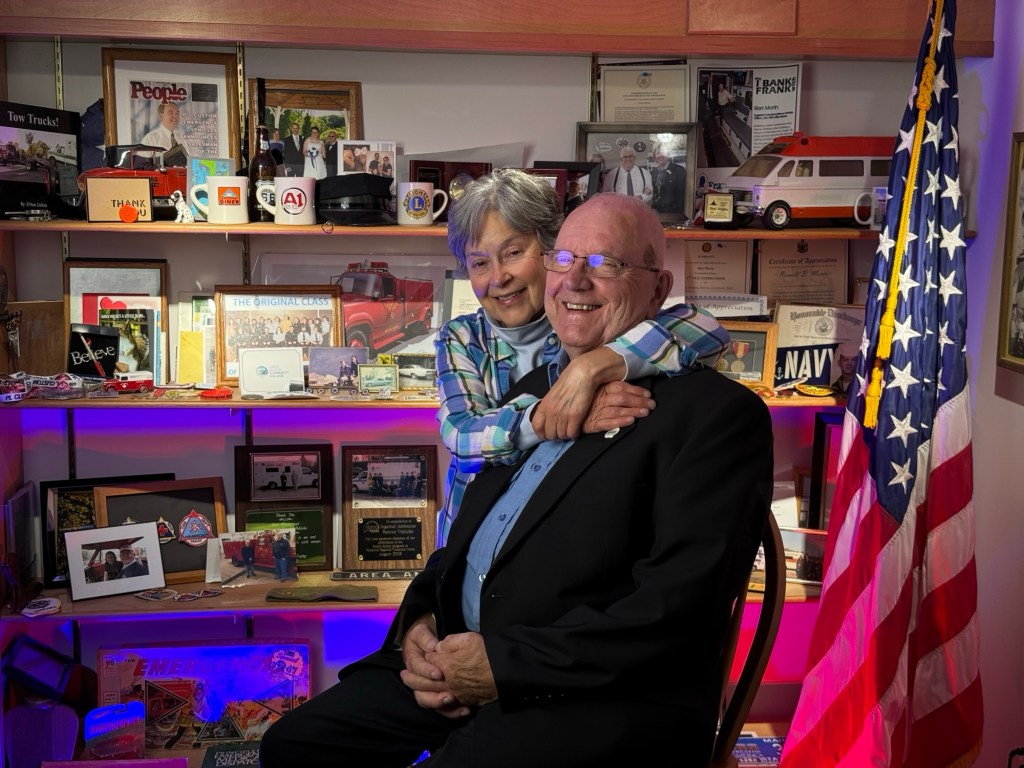
    Mentorship is a cornerstone of growth in any field, but in Emergency Medical Services (EMS), where the stakes are high and the learning curve is steep, it can be transformative. For me, mentorship came in the form of Ron Morin—a pioneer in Maine EMS whose career spanned over four decades, starting with the state’s very first paramedic program. His passion for the field didn’t stop with patient care; it extended to ambulance design, regional sales, education, and advocacy. But our story didn’t begin in the thick of his career. It started after Ron and his wife Becky, a paramedic and nurse practitioner, had retired—a time when I was just starting my journey as an EMT.

    At the time, I was still figuring out my path in healthcare and emergency medicine. Meeting Ron and Becky couldn’t have come at a better time. Their thoughtful guidance, experience, and unwavering encouragement became a steadying force in my life. As our relationship grew, so did the depth of their impact on me. Today, I’m proud to call them my chosen grandparents—a title they’ve earned through years of offering love, support, and wisdom.

    A New Chapter: Touring and Writing with Ron

    One of the most rewarding aspects of my mentorship with Ron has been our work together on the Squad 51 History and Education Project, his nonprofit educational initiative. Touring the Northeast with Ron, we’ve worked to inspire new generations of EMS professionals and connect with seasoned veterans who grew up watching the iconic show Emergency! These trips have been more than just professional opportunities—they’ve been lessons in history, community, and the evolution of EMS.

    In 2023, our collaboration deepened when I began working on Ron’s autobiography. As I transcribed his stories, I gained insight into the origins of 911 services in rural Maine, the challenges faced by early paramedics, and the profound dedication it takes to build a system that saves lives. Beyond his professional journey, I’ve learned about the enduring love and partnership he shares with Becky, the resilience they’ve shown through life’s challenges, and their tireless commitment to the EMS community.

    What Ron Taught Me About Mentorship

    Ron’s mentorship has been a masterclass in patience, perspective, and humility. He’s taught me that no matter how advanced our tools or protocols become, EMS is ultimately about people—about their stories, struggles, and triumphs. His advice has helped me become not just a better EMT, but a more compassionate and grounded healthcare provider.

    One of the most profound lessons I’ve learned is the importance of listening—really listening. Whether it’s a patient in crisis, a colleague in need of support, or the wisdom of someone who’s been in the field for decades, listening creates the space for growth and connection.

    It’s also because of Ron and Becky’s encouragement that I found the courage to start this blog, Mind Over Mayday. Sharing my story and advocating for first responder mental health wouldn’t have been possible without their belief in me.

    Why You Should Seek a Mentor in EMS

    Mentorship in EMS isn’t just about passing down technical knowledge; it’s about building relationships that challenge, support, and inspire. Here are a few reasons why finding a mentor could change your career—and your life:

    1. Perspective: Mentors like Ron bring a wealth of experience that helps put the challenges of the job into context. Their stories remind us why we chose this field in the first place.

    2. Guidance: A mentor can help you navigate career decisions, refine your skills, and avoid common pitfalls.

    3. Support: The demands of EMS can be overwhelming, but having someone who understands the unique stressors of the job can make all the difference.

    4. Connection to the Past: Learning from those who’ve shaped the field connects us to its history and inspires us to contribute to its future.

    Honoring the “Dinosaurs” of EMS

    Too often, the wisdom of EMS veterans is overlooked in a field that’s constantly evolving. But the so-called “dinosaurs” of EMS have a depth of knowledge and perspective that no textbook or protocol manual can provide. Their stories are a reminder of how far we’ve come—and how much we still have to learn.

    For me, Ron and Becky have been that bridge between the past and the future, showing me what it means to dedicate your life to a calling. Their mentorship has shaped my career and my perspective, and I’ll forever be grateful for the lessons they’ve taught me.

    So, if you’re new to EMS—or even if you’re not—find a mentor. Seek out someone who inspires you, challenges you, and helps you grow. And when the time comes, pass that knowledge along. Because mentorship isn’t just about becoming better at what you do; it’s about ensuring the next generation is even stronger.

    To Ron and Becky—thank you for everything. Your impact on my life and my career is immeasurable, and I hope to honor it by continuing to learn, grow, and give back.

  • Vicarious Resilience: Finding Strength Through Stories of Survival

    Vicarious Resilience: Finding Strength Through Stories of Survival

    As first responders, we are often exposed to some of the most challenging moments in people’s lives. The emergencies we encounter can weigh heavily on us, leaving behind an emotional residue that is difficult to process. Yet, amidst the chaos and heartbreak, there is a profound gift: the ability to witness resilience.

    Vicarious resilience, a concept born from the field of trauma therapy, refers to the strength and healing we gain by observing others overcome adversity. For first responders, this can take many forms—watching a patient fight for their life and recover, seeing families come together during crises, or learning from colleagues who persevere despite the hardships of the job. These stories serve as powerful reminders of human strength, giving us the hope and courage to continue showing up, no matter how difficult the day may be.

    The Transformative Power of Resilience

    Each shift presents us with moments where resilience is on full display. It could be a child smiling through pain, a survivor expressing gratitude, or a colleague standing tall after enduring unimaginable challenges. These experiences are not just fleeting snapshots—they have the potential to inspire personal growth, foster empathy, and build a sense of purpose.

    Vicarious resilience is a vital antidote to the emotional toll of our work. It shifts the narrative from despair to hope, reminding us that even in the darkest moments, there is light. When we allow ourselves to absorb these stories, they can become tools for our own healing.

    Introducing: Stories of Strength—A New Interview Series

    To further explore the impact of resilience in the first responder community, I’m excited to announce a new blog series: Stories of Strength: Interviews with First Responders and Survivors.

    In this series, I’ll sit down with professionals from the field and individuals who have endured and overcome significant challenges. Together, we’ll discuss the moments that shaped their journeys, the lessons they’ve learned, and how their experiences can inspire hope and healing in others.

    Through these interviews, my goal is to create a space where we can celebrate resilience in all its forms. By sharing these stories, I hope to offer readers—whether they are first responders, mental health advocates, or anyone facing their own battles—a source of comfort, encouragement, and perspective.

    Finding Your Own Resilience

    Witnessing the resilience of others is a gift, but it is equally important to recognize your own strength. Each time you show up for a call, comfort a patient, or support your peers, you are embodying resilience. Take time to honor that within yourself.

    As we move forward with this series, I invite you to join me on this journey of discovery and growth. Let’s shine a light on the incredible strength within our community and use these stories as stepping stones toward healing and hope.

    Stay tuned for the first interview in the series—it’s a story you won’t want to miss.

    Together, let’s find strength in the resilience around us and within us.

  • Breaking Barriers: Women in the Fire Service

    Breaking Barriers: Women in the Fire Service

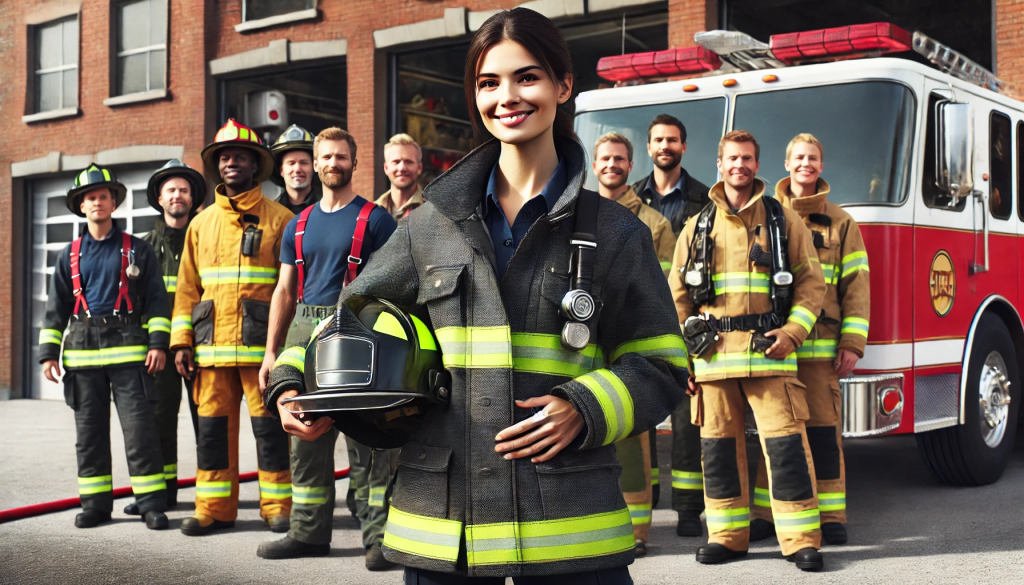
    The fire service has long been regarded as a male-dominated field, steeped in tradition and camaraderie. While these aspects make it unique, they also present challenges for women entering the profession. Women comprise only about 8% of firefighters in the United States, according to the National Fire Protection Association (NFPA). Yet, despite the barriers, women bring invaluable strengths to the table—both physical and mental—that enhance the fire service and benefit the communities we serve.

    Overcoming Challenges and Breaking Stereotypes

    Entering a male-dominated field often means working harder to prove your worth. Many women feel the pressure to perform at a higher standard, as they are often scrutinized more harshly than their male counterparts. This can lead to self-doubt, but it also fosters a determination to succeed. Personally, I’ve experienced this dynamic firsthand. When I joined the fire service, I faced criticism and hostility from some officers in one of my departments. These individuals frequently engaged in lewd conversations, scrutinized my work unfairly, and set me up to fail by assigning tasks without proper training or guidance. It was a difficult and toxic environment to navigate.

    However, not every department operates this way. I was fortunate to also serve in other departments where my skills and contributions were valued. These experiences taught me the importance of fostering welcoming environments where teamwork and mutual respect prevail. Ultimately, I chose to leave the toxic department and focus my efforts on places where I was encouraged to grow and thrive as a firefighter.

    The Strengths Women Bring to the Fire Service

    Women often excel in the fire service by leveraging unique strengths that complement the team dynamic. For example, being smaller in size can be an advantage in confined spaces during search-and-rescue operations. Additionally, women tend to excel in communication, empathy, and collaboration, which are essential traits in high-stress, team-oriented environments. The fire service thrives on true teamwork—everyone bringing their strengths to the table to accomplish a shared mission.

    Studies also suggest that diverse teams perform better in high-pressure situations. A 2020 report from McKinsey & Company found that diverse workplaces are 35% more likely to outperform their peers. In the fire service, this translates to better problem-solving, more innovative solutions, and ultimately, improved outcomes for the communities we serve.

    Inspired by Women Who Paved the Way

    My Aunt, a career firefighter/paramedic, was one of my earliest role models. Her dedication, resilience, and professionalism inspired me to pursue a career in the fire service and to be the best version of myself. Watching her navigate the challenges of the job while maintaining her integrity and compassion gave me a roadmap for success.

    Her example also taught me the value of mentorship and support. It is critical for women entering male-dominated fields to seek out allies and role models who can provide guidance, encouragement, and wisdom. The fire service, like any other profession, is only as strong as the people within it. By lifting each other up, we ensure the safety and success of the entire team.

    Moving Forward: Creating a More Inclusive Fire Service

    While progress has been made, there is still work to do to create a more inclusive fire service. Departments must prioritize fostering respectful, welcoming environments where all firefighters—regardless of gender—can thrive. Leadership plays a crucial role in setting the tone and addressing toxic behaviors. When women feel supported, they can contribute to their full potential, enhancing the effectiveness of the entire team.

    For those entering the fire service, my advice is to stay true to yourself, seek out departments and leaders who value your contributions, and never stop advocating for better mental health and workplace culture. The fire service is built on trust, respect, and teamwork—qualities that transcend gender and unite us in our shared mission to serve and protect.

    As women in the fire service, we may face unique challenges, but we also have unique strengths. By breaking barriers and shattering stereotypes, we pave the way for the next generation of women firefighters, creating a stronger, more inclusive fire service for all.