Tag: mindfulness

  • A New Year, A Renewed Mission: 2025 Goals for Mind Over Mayday

    A New Year, A Renewed Mission: 2025 Goals for Mind Over Mayday

    As we step into 2025, I’m filled with gratitude for the journey so far and excitement for what lies ahead. Mind Over Mayday has become more than a blog—it’s a community, a conversation, and a space where first responders can find understanding, support, and encouragement. This year, my mission is clearer than ever: to advocate, inspire, and empower those navigating the often-overwhelming realities of life on the front lines.

    Reflecting on the Journey

    2024 was a year of growth, both personally and for the blog. I shared stories of resilience, loss, and healing, opening up conversations about the mental health challenges we face as first responders. I attended events, honored fallen heroes with the Maine EMS Honor Guard, and connected with so many of you who shared your stories with me. These moments solidified my belief that we need to keep the dialogue around mental health alive and growing.

    This mission is deeply personal. As a suicide attempt survivor, someone in long-term recovery, and a first responder, I know how critical it is to have support, understanding, and resources when navigating the mental and emotional weight of this work. It’s my goal to make Mind Over Mayday a resource that first responders turn to when they need connection, guidance, or simply a reminder that they’re not alone.

    Goals for Mind Over Mayday in 2025

    1. Expand Reach and Connection

    This year, I want to reach even more first responders. That means:

    • Partnering with organizations that share the mission of supporting mental health for first responders.
    • Attending conferences and events to spread the word about Mind Over Mayday.
    • Growing our online presence through social media, newsletters, and interactive content.

    I want Mind Over Mayday to become a place where first responders know they can find tools, resources, and community whenever they need it.

    2. Offer Practical Tools for Healing

    It’s one thing to talk about mental health; it’s another to equip people with actionable tools. This year, I aim to create:

    • A free downloadable resource guide with tips for processing trauma, building resilience, and maintaining mental health.
    • A series of blog posts highlighting proven techniques, from mindfulness practices to physical health strategies that support mental wellness.
    • Online workshops or webinars designed to help first responders navigate stress and trauma in real time.

    3. Elevate Voices in the Community

    Every first responder has a story, and every story matters. In 2025, I want to feature more guest contributors on Mind Over Mayday. Whether it’s a fellow EMT, firefighter, police officer, or dispatcher, this blog will continue to showcase the voices of those on the front lines. Sharing our stories helps break down stigma and reminds us all that we’re stronger together.

    4. Advocate for Systemic Change

    While individual support is crucial, the bigger picture matters too. This year, I want to advocate for improved access to mental health resources for first responders. That means:

    • Collaborating with local and national organizations to push for better policies and funding for first responder mental health.
    • Highlighting the gaps in the system and offering solutions through my blog and public speaking opportunities.
    • Continuing to normalize therapy, peer support, and other tools for mental health within our community.

    5. Inspire Through Vulnerability

    My personal journey is the heart of Mind Over Mayday. This year, I’ll continue to share openly about my experiences with sobriety, recovery, and the challenges of life as a first responder. Vulnerability is a superpower, and I hope that by being honest about my struggles and victories, others will feel empowered to do the same.

    Building a Stronger Future

    2025 is about more than just goals—it’s about creating a safer, more supportive world for first responders. It’s about leaving the job better than I found it and ensuring that the next generation of EMS professionals, firefighters, and police officers have the resources they need to thrive.

    This blog isn’t just about me; it’s about us. Every story shared, every conversation started, and every life touched is a step toward a stronger, healthier community.

    Thank you for being part of this journey. Your support means the world to me, and I’m excited to see what we can accomplish together in 2025. Let’s make this year one of growth, healing, and hope—for ourselves and for the people we serve.

    What are your goals for the new year? Let’s start the conversation. Together, we can make a difference.

    – Lacey Sawyer
    Mind Over Mayday

  • New Year, New You: Strategies for Overcoming Trauma, Reducing Stress, and Cultivating Mental Resilience in 2025

    New Year, New You: Strategies for Overcoming Trauma, Reducing Stress, and Cultivating Mental Resilience in 2025


    Introduction:

    The new year holds the promise of fresh beginnings and renewed hope, but for many of us, it can also feel like a daunting reminder of the unresolved struggles we carry. As first responders and individuals in high-stress roles, the toll of trauma and stress doesn’t reset with the calendar. However, the start of a new year offers a unique opportunity to recommit to ourselves—to our healing, our growth, and our resilience.

    Mental resilience isn’t about erasing the past; it’s about learning how to carry it more lightly. It’s about equipping ourselves with tools and strategies to face the challenges ahead, not from a place of depletion, but from one of strength and renewal. Let this year be the one where you take actionable steps toward mental well-being. Here are some ideas to help you get started.


    1. Embrace the Power of Acknowledgment

    Before we can heal, we need to name what’s weighing us down. Trauma and stress often linger because they’re left unspoken or unattended. Reflecting on your experiences—whether through journaling, therapy, or open conversations—is a powerful act of acknowledgment. It’s a way of telling yourself that your experiences matter, that your feelings are valid, and that you deserve to heal.

    While acknowledging pain is not easy, it is a critical first step. Remember, healing isn’t about erasing the hurt; it’s about transforming your relationship with it. Start small by identifying moments in your life that feel unresolved and sit with them gently. Allow yourself to feel, process, and, when ready, move forward.


    2. Prioritize Rest and Recovery

    One of the most overlooked aspects of mental resilience is the importance of rest. For first responders, who are often running on adrenaline and caffeine, rest can feel like a luxury. But rest is a necessity, not an indulgence. It’s in these moments of stillness that our bodies and minds repair and restore.

    Consider your sleep hygiene. Are you giving yourself enough time to unwind after your shifts? Are you creating an environment conducive to restful sleep? Simple changes—like dimming the lights, avoiding screens before bed, or developing a consistent bedtime routine—can make a world of difference. And remember, recovery isn’t just about sleep; it’s about finding moments of peace throughout your day, whether through a five-minute meditation, a walk in nature, or quiet time with a loved one.


    3. Learn to Regulate Stress

    Stress is an inevitable part of life, but how we respond to it can change everything. Developing healthy ways to manage stress is a cornerstone of mental resilience. Start by recognizing your stressors. What situations or thoughts trigger feelings of overwhelm? Once identified, you can begin to address them with intentional practices.

    One effective way to regulate stress is through breathwork. When stress strikes, try the 4-7-8 breathing technique: inhale for four seconds, hold for seven, and exhale for eight. This simple exercise can help lower your heart rate and bring you back to the present moment.

    Other strategies include exercise, creative outlets like painting or writing, and even laughter. Yes, laughter is a form of stress relief! Don’t underestimate the power of humor to lighten your mental load.


    4. Set Intentions, Not Perfections

    New Year’s resolutions often come with an all-or-nothing mentality that can lead to burnout or guilt. Instead of setting rigid goals, focus on intentions that prioritize your mental health. For example, rather than resolving to “never feel stressed again” (an impossible standard), set the intention to “respond to stress in healthier ways.”

    Intentions allow for flexibility and growth, while perfectionism often sets us up for failure. Give yourself permission to try, fail, and try again. Resilience isn’t about avoiding setbacks; it’s about bouncing back from them with greater insight and determination.


    5. Foster Gratitude and Connection

    Resilience thrives in the soil of gratitude and connection. Take time each day to focus on what you’re grateful for, no matter how small. Gratitude shifts your perspective and reminds you of the good that exists alongside the challenges.

    Equally important is connection. Resilience is not a solo journey. Lean on your support system—friends, family, colleagues, or a trusted mentor. Vulnerability can feel uncomfortable, especially in professions where strength is often equated with stoicism. But true strength lies in knowing when to ask for help. Let this year be the one where you allow others to show up for you, just as you have shown up for them.


    6. Celebrate Small Wins

    Healing and growth are not linear processes. There will be days when you feel invincible and others when you feel like you’re back at square one. That’s okay. What matters is that you keep moving forward, even if the steps are small.

    Celebrate your progress, no matter how incremental it may seem. Did you take a moment to breathe deeply during a stressful call? Celebrate that. Did you reach out to a friend when you were feeling low? That’s a win. Each step you take is a testament to your strength and resilience.


    7. Utilize Resources Tailored to First Responders

    As first responders, we often feel the pressure to “tough it out” and carry on without addressing the mental toll of our work. But the truth is, we all need support sometimes—and it’s okay to reach out. This year, take advantage of resources specifically designed for people like us who face trauma and high-stress situations daily.

    One invaluable tool is the 24/7 Debrief Hotline and Peer Support offered by Mind the Frontline. This service provides immediate access to someone who understands what you’re going through. Whether you’ve just come off a difficult call, need to process something that’s been weighing on your mind, or simply want to talk to a peer who gets it, this hotline is there for you anytime, day or night.

    Taking that step to call or talk to someone isn’t a sign of weakness—it’s a sign of strength and self-awareness. Let this be the year you embrace the help that’s available and prioritize your mental well-being.


    Challenging Negative Thoughts and Reprocessing Them

    Our minds can often be our toughest critics, especially when we’re dealing with trauma and stress. Negative thoughts can creep in and become so loud that they feel like the truth. These thoughts—whether self-critical, hopeless, or fear-driven—can keep us stuck, preventing us from fully healing. But the good news is that we can challenge and reprocess these thoughts, turning them into stepping stones for growth. The following practice has made a monumental difference in how I think about traumatic experiences, especially ones where I’ve questioned myself or my performance, and have held on to guilt or shame surrounding a negative outcome.

    Step 1: Recognize the Thought
    The first step to challenging negative thoughts is to become aware of them. Often, they run in the background like a looped recording. Pay attention to moments when you feel anxious, overwhelmed, or down, and identify the thought behind those feelings. For example, you might catch yourself thinking, “I’m not strong enough to handle this.”

    Step 2: Question Its Validity
    Once you’ve identified the thought, ask yourself if it’s really true. Negative thoughts are often rooted in fear rather than fact. Use questions like:

    • Is there evidence to support this thought?
    • What would I tell a friend who thought this way?
    • Am I jumping to conclusions or assuming the worst?

    Challenging the thought helps weaken its grip and allows you to see a more balanced perspective.

    Step 3: Reframe the Narrative
    After challenging the negative thought, reframe it into something more constructive and compassionate. This doesn’t mean ignoring the situation, but rather shifting the narrative to one that is kinder and more empowering.

    For example, instead of thinking, “I’m not strong enough,” try rephrasing it as, “I’ve faced difficult things before, and I’ve made it through. I am capable of doing hard things.”

    Step 4: Replace the Thought with Action
    Sometimes, the best way to combat a negative thought is to prove it wrong through action. If the thought is, “I’ll never make progress,” take a small step forward—something that counters the thought, like practicing a self-care routine or tackling a task you’ve been avoiding. Each action builds confidence and weakens the power of negative thinking.

    Step 5: Use Reprocessing Techniques
    For deeper work, consider techniques like Eye Movement Desensitization and Reprocessing (EMDR) or Cognitive Behavioral Therapy (CBT). These methods help you reprocess trauma and restructure the way your brain responds to distressing thoughts and memories. Working with a therapist trained in these approaches can help you make significant progress.

    Step 6: Practice Self-Compassion
    Remember, negative thoughts are often rooted in past experiences and learned behaviors. Reprocessing them takes time and practice. Be patient with yourself and celebrate even the smallest victories. Self-compassion isn’t a luxury—it’s a necessity for growth and healing.

    Remember
    Challenging negative thoughts is like retraining your brain to work for you rather than against you. It’s not about eliminating every negative thought, but learning to navigate them in a way that empowers you rather than holding you back. As you enter this new year, make a commitment to tune into your inner dialogue, challenge the negative narratives, and reframe them into something that aligns with your resilience and strength.

    You are more capable than your doubts may tell you—and you have the power to rewrite your story.

    Conclusion:

    This year, I challenge you to prioritize your mental health as fiercely as you prioritize the well-being of others. Trauma and stress may be part of our stories, but they don’t have to define us. With intentional steps, we can learn to carry our burdens more lightly and build the resilience needed to thrive.

    As you step into 2025, remember that resilience isn’t about being unbreakable. It’s about bending without breaking, healing without rushing, and growing without limits. Take the time to honor your journey, invest in your well-being, and embrace the strength that comes from choosing yourself—again and again.

    Together, we can create a stronger, more resilient community—one step, one day, and one call at a time.


  • The Emotional Backpack: What We Carry Home After Every Shift

    The Emotional Backpack: What We Carry Home After Every Shift

    Every first responder knows the feeling of coming home after a tough shift—the weight that follows you through the door, the mental replay of a critical call, or the silence that fills the space where words fail. This invisible weight, often referred to as “emotional residue,” builds up over time, creating what I call The Emotional Backpack.

    We may not realize how full that backpack is until it spills over, affecting not just our well-being but also our personal relationships.

    What’s in the Backpack?

    Each call we respond to leaves something behind. For some, it’s the heartache of comforting a grieving family. For others, it’s the frustration of a chaotic scene or the stress of making split-second decisions. Even the calls that go “smoothly” can leave behind fatigue and emotional drain.

    We don’t leave these moments behind when we clock out. Instead, they come home with us, shaping how we interact with our loved ones. This can show up as:

    • Irritability or withdrawal: Small things may trigger disproportionate reactions, or we might disengage entirely.

    • Difficulty communicating: It’s not always easy to find the words to explain what we’ve been through—or to decide whether we want to share at all.

    • Emotional unavailability: Being emotionally drained at work can leave little energy for connection at home.

    Over time, this can create distance in our relationships, strain communication, and leave loved ones feeling shut out.

    How to Leave Work Stress at the Door

    While we can’t avoid the emotional impact of the job, we can take steps to manage how much of it we bring home. Here are some strategies to help lighten the load of that emotional backpack:

    1. Create a Transition Ritual

    Give yourself a buffer between work and home. This could be listening to music on the drive, taking a walk, or even sitting quietly for a few minutes before stepping inside. These moments of intentional transition can help you shift gears mentally and emotionally.

    2. Offload the Backpack

    Find ways to process what you’ve been through. Talk to a trusted colleague, write in a journal, or seek professional support if needed. Sharing your thoughts—even if only with yourself—can reduce their weight.

    3. Set Boundaries

    While it’s important to share parts of your workday with your loved ones, it’s equally important to protect your personal space from becoming an extension of your job. Be honest about your need to decompress, but also make space for meaningful connection.

    4. Practice Mindfulness

    Grounding techniques like deep breathing or meditation can help bring you into the present moment, reducing anxiety and helping you leave the intensity of work behind.

    5. Nurture Personal Connections

    Make a conscious effort to engage with your family or friends. Even small acts, like asking about their day or planning quality time, can strengthen bonds and remind you of the support system you have.

    6. Prioritize Self-Care

    Regular exercise, adequate sleep, and balanced nutrition are essential for maintaining emotional resilience. Self-care isn’t selfish—it’s necessary for showing up fully at work and at home.

    The Ripple Effect

    As first responders, we pride ourselves on being strong and dependable. But true strength comes from acknowledging the impact of the job and taking steps to manage it. When we learn to offload some of the emotional residue we carry, we’re not only helping ourselves—we’re showing up better for the people who matter most.

    Your emotional backpack doesn’t have to weigh you down. By practicing self-awareness, setting boundaries, and nurturing personal relationships, you can keep work stress from spilling into your home life, creating space for joy, connection, and peace.

    So, the next time you walk through your door, ask yourself: What am I carrying? And what can I set down?

  • How to Use Trauma-Informed Dialogue to Support Someone Who’s Struggling

    How to Use Trauma-Informed Dialogue to Support Someone Who’s Struggling

    When someone you care about—whether a friend, family member, colleague, or fellow first responder—is struggling, your words and approach can make a huge difference. Trauma-informed dialogue focuses on creating a safe, nonjudgmental space where they feel heard, supported, and understood. Here’s how to implement this compassionate approach:

    1. Prioritize Safety and Trust

    • Start with empathy: Begin by acknowledging their struggle without judgment or assumptions. For example:

    “I’ve noticed you seem a bit off lately, and I wanted to check in. How are you doing?”

    • Be consistent and reliable: Show up when you say you will, listen without interruption, and maintain confidentiality to build trust.

    2. Use Nonjudgmental Language

    • Avoid blame or shaming statements like, “You’re overreacting” or “Why can’t you just let it go?”

    • Instead, try: “That sounds really difficult. I can understand why you’d feel that way.”

    • Remember, trauma responses aren’t about being “weak” but are the brain’s way of coping with overwhelming stress.

    3. Practice Active Listening

    • Give them space to speak: Sometimes, they need to process their thoughts out loud. Avoid jumping in with advice right away.

    • Reflect what you hear to show understanding:

    “It sounds like you’re feeling overwhelmed and unsure where to start. That makes a lot of sense.”

    4. Avoid Triggers

    • Trauma can make certain words, tones, or topics feel threatening. Pay attention to their body language and emotional cues.

    • If they seem agitated or withdrawn, adjust your approach. Use calm, reassuring tones and focus on the present moment.

    5. Focus on Empowerment, Not Fixing

    • Instead of saying, “You should…” or “Here’s what you need to do…”, try asking:

    “What do you think would help right now?”

    • Validate their strengths: “I know this is hard, but I’m amazed by how strong you’ve been through everything.”

    6. Know When to Step Back and Offer Resources

    • If their struggles are beyond what you can handle, gently suggest professional support:

    “I’m here for you, but I wonder if talking to someone like a counselor or therapist might help. I can help you find someone if you’d like.”

    • Offer resources without pressure, such as crisis lines, peer support groups, or wellness programs.

    7. Follow Up

    • Support isn’t a one-time conversation. Check in periodically:

    “I’ve been thinking about you. How have things been going?”

    • Even small, consistent actions—like sending a thoughtful text—show that you care.

    Why It Matters for First Responders

    First responders often face unique challenges, including cumulative stress and exposure to traumatic events. Trauma-informed dialogue acknowledges these pressures without minimizing them. It’s about saying, “I see you, I hear you, and I’m here for you,” in a way that respects their experience and humanity.

    By using trauma-informed dialogue, you’re not just helping someone feel supported—you’re creating a foundation for trust, healing, and resilience. Together, we can break down the stigma around seeking help and foster a culture of compassion and understanding.

    You’re never alone in this journey. Let’s make sure no one else feels they are, either.

    Still feeling lost? Here is a sample conversation that puts trauma informed dialogue into practice…

    Scenario: Two EMTs, Chris and Taylor, are chatting after a shift. Chris has noticed Taylor has been quieter than usual and seems stressed.

    Opening the Conversation

    Chris:

    “Hey Taylor, you’ve seemed a bit off the last few shifts. Everything okay?”

    Taylor:

    “Yeah, I’m fine. Just tired, I guess.”

    Chris:

    “I get that—this job takes it out of you. But I don’t know, it seems like more than just being tired. I’m here if you want to talk.”

    Acknowledging and Validating

    Taylor:

    “I don’t know, man. It’s just been a lot lately. That call last week with the kid… I can’t stop thinking about it.”

    Chris:

    “Yeah, that was a tough one. Those kinds of calls stick with you. It’s completely normal to feel like this.”

    Taylor:

    “I keep wondering if we missed something, you know? Like, what if there was something more we could have done?”

    Chris:

    “That’s a heavy weight to carry. I’ve felt like that before too—second-guessing everything. But from what I saw, you did everything you could. That kid had the best chance because of you.”

    Using Active Listening

    Taylor:

    “I know you’re probably right, but it just doesn’t feel that way. And then every time I try to sleep, it’s like I’m back on that call.”

    Chris:

    “That sounds rough. Not being able to shake it and having it mess with your sleep—it’s no wonder you’re feeling drained. It makes sense that this would be sticking with you.”

    Taylor:

    “Yeah. And I can’t really talk about it at home. It doesn’t feel right to bring that stuff home, to talk about something like that with my wife who doesn’t need that image in her head too.”

    Chris:

    “That’s tough, I know the feeling. But you can always talk to me. You don’t have to carry this alone.”

    Focusing on Empowerment

    Chris:

    “Have you thought about what might help you feel a little better? Sometimes talking to someone outside of work, like a counselor, can help sort through all of this.”

    Taylor:

    “I don’t know. I’ve never done that before. Feels kind of… weak, you know?”

    Chris:

    “Trust me, I’ve been there. I thought the same thing, but talking to someone helped me work through stuff I didn’t even know was weighing me down. It’s not about being weak—it’s about taking care of yourself so you can keep doing this job.”

    Offering Support

    Chris:

    “If you want, I can help you find someone to talk to. I know a few resources that specialize in first responders. No pressure, just an option.”

    Taylor:

    “Yeah, maybe. I’ll think about it.”

    Chris:

    “That’s all I ask. In the meantime, let me know if you want to grab coffee or vent about anything. There’s also a support group I go to sometimes, once a month, if you’d ever want to go with me. No matter what, I’ve got your back.”

    Taylor:

    “Thanks, Chris. I appreciate it. It would be nice to grab coffee outside of work sometime, and let me know when that group is. I’ll give anything a try at this point.”

    This example highlights trauma-informed dialogue by creating a safe space, validating feelings, avoiding judgment, and empowering the struggling colleague to consider next steps. It’s a realistic approach to starting meaningful conversations about mental health in the workplace.

    If you’re unsure of how to start a conversation with someone who is struggling, reach out to mindovermayday@gmail.com and you will receive personalized advice compiled by myself and my own mentors. Note: we are not licensed therapists or counselors, just fellow first responders on a mission to help other first responders in crisis.

  • Using TIPP to Manage Emotional Distress After Traumatic Calls

    Using TIPP to Manage Emotional Distress After Traumatic Calls

    First responders often face high-stress, emotionally taxing situations that can lead to overwhelming emotions after a traumatic call. TIPP (Temperature, Intense exercise, Paced breathing, Progressive relaxation) provides actionable strategies to manage these feelings effectively. These practices have each helped me tremendously after intense or traumatizing calls. Here’s how first responders can use each component:

    T – Temperature: Cool Your System

    Trauma can cause your body to go into fight-or-flight mode, escalating emotional intensity. Using cold temperatures can help calm your nervous system.

    • How to Apply:

    • Splash cold water on your face or hold an ice pack against your cheeks for 30 seconds.

    • Use cold compresses on your neck or wrists.

    • If accessible, step into a cooler environment (e.g., an air-conditioned space).

    • Why it Works:

    Cooling your body activates the mammalian dive reflex, which slows your heart rate and reduces stress.

    I – Intense Exercise: Burn Off Energy

    After a traumatic call, adrenaline and cortisol levels spike, leading to physical restlessness and emotional overwhelm. Intense exercise provides a healthy outlet.

    • How to Apply:

    • Do 30-60 seconds of jumping jacks, push-ups, or sprinting.

    • Engage in vigorous activities like running stairs or shadowboxing.

    • If at your station, consider using available equipment like kettlebells or a treadmill.

    • Why it Works:

    Intense movement burns off excess stress hormones, re-regulating your body and mind.

    P – Paced Breathing: Reclaim Control

    Hyperventilation often accompanies emotional distress. Paced breathing counters this by slowing your breath and calming your body.

    • How to Apply:

    • Inhale deeply through your nose for 4 seconds.

    • Hold your breath for 4 seconds.

    • Exhale slowly through your mouth for 6-8 seconds.

    • Repeat this pattern for 1-2 minutes.

    • Why it Works:

    Deliberate breathing engages the parasympathetic nervous system, helping reduce feelings of panic or overwhelm.

    P – Progressive Muscle Relaxation: Release Tension

    Trauma often causes physical tension. Progressive relaxation helps release that tension and refocus your mind.

    • How to Apply:

    • Start with your toes: tense the muscles tightly for 5-10 seconds, then release.

    • Gradually work upwards through your legs, torso, arms, and face.

    • Pair this exercise with deep, slow breathing for added relaxation.

    • Why it Works:

    This technique reduces physical tension associated with stress and anchors you in the present moment.

    When to Use TIPP

    First responders can use TIPP immediately after a traumatic call, during a quiet moment at the station, or at home when distress surfaces. These techniques are portable, require no special tools, and work quickly to lower emotional intensity.

    By incorporating TIPP into self-care routines, first responders can process trauma effectively, reduce emotional overload, and maintain mental well-being. Remember, seeking additional support from peers or mental health professionals is always encouraged.

  • How to Use the 5 Blinks Method to Overcome Intrusive Traumatic Images

    How to Use the 5 Blinks Method to Overcome Intrusive Traumatic Images

    Intrusive images and flashbacks can feel overwhelming and disorienting, but the 5 Blinks Method is a quick and effective technique to regain control of your mind and focus on the present. This simple practice uses a combination of grounding and mindfulness to help redirect your attention and soothe your nervous system. This technique was introduced to me by a licensed therapist, and has been extremely helpful for me when I’ve dealt with traumatic calls and scenes, both in the field and in the hospital.

    Step-by-Step Guide to the 5 Blinks Method

    1. Identify the Intrusive Image

    • When you notice an intrusive image or memory, acknowledge it without judgment.

    • Say to yourself: “This is just a thought, not my reality right now.”

    2. Take a Deep Breath

    • Inhale deeply through your nose for 4 seconds, hold for 4 seconds, and exhale slowly through your mouth for 6 seconds.

    • This activates the parasympathetic nervous system to help you calm down.

    3. Blink Five Times Slowly

    • Blink deliberately and slowly five times.

    • Each blink acts as a symbolic “reset” for your brain, helping to break the cycle of intrusive thoughts.

    4. Visualize Sending the Image Away

    • Close your eyes.

    • Imagine the intrusive image as a photograph, or a film reel- an object or something tangible.

    • Now imagine a box big enough to fit the image-object.

    • Visualize placing the image-object into the box and sending that box as far away in your mind as possible, watching it get smaller and smaller, until it completely disappears in the distance.

    Take a deep breath

    5. Blink Five Times Slowly

    • Blink deliberately and slowly five times.

    • Repeat a grounding statement or positive affirmation to yourself, such as:

    • “I am here in this moment.”

    • “I did everything I could.”

    • “Life happens on life’s terms.”

    6. Ground Yourself in the Present Moment

    • With your eyes open, identify five things you can see.

    • Say them out loud or in your mind.

    7. Move a Muscle, Change a Thought

    • Find something that you can focus your entire attention on- something physical such as going for a walk outside, cleaning something, or opt for a quick workout. Physical activity has a number of benefits, including grounding yourself in your body, releasing endorphins, and even boosting serotonin.

    • Other mind-consuming activities can help too- like playing a game on your phone, having a conversation with someone, or watching an interesting show or movie.

    8. Repeat as Many Times as Needed

    • If the image is resistant and continues to intrude, repeat steps 1-6 as many times as needed, while still trying to find something you can completely and mindfully focus on.

    Additional Tips for Success

    Practice Regularly: The more you use the 5 Blinks Method, the quicker your brain will recognize it as a tool to refocus.

    Pair with Deep Breathing: Combining the method with paced breathing enhances its calming effect.

    Use a Support Object: Hold a grounding object, like a smooth stone, while practicing. (I use a short piece of thin rope that has a knot tied on one end- because when you get to the end of your rope, you tie a knot and hold on!)

    Other Distress Tolerance Techniques to Explore

    The 5 Blinks Method is just one of many strategies to manage distress and intrusive thoughts. Stay tuned for future posts where we’ll explore other effective techniques:

    1. TIPP Skills – Using temperature, intense exercise, paced breathing, and paired muscle relaxation to lower emotional intensity.

    2. Grounding Techniques – Detailed practices like the 5-4-3-2-1 method and body scans.

    3. Opposite Action – Redirecting overwhelming emotions by taking an action opposite to the urge.

    4. Distraction Toolkit – Creating a personalized box or bag of items and activities to help refocus during moments of distress.

    5. Mindful Visualization – Replacing intrusive images with a safe or peaceful mental scene.

    Final Thoughts

    The 5 Blinks Method is a powerful, portable tool to help you navigate intrusive traumatic images. It works by engaging your senses and redirecting your focus, allowing you to move forward without being stuck in the past. Remember, it’s okay to seek additional support from a trusted counselor or peer support group as you work through these challenges.

    You’ve got this—one breath at a time.

  • From Darkness to Purpose: How I Found My Calling Through Sobriety

    From Darkness to Purpose: How I Found My Calling Through Sobriety

    I still remember the sound of the bottle opening—the sharp hiss of pressure released. It was my signal to exhale, to let go of the stress, to numb the fears I couldn’t face. It began innocently enough, a glass of wine here, a drink there, just to take the edge off after a long day. I was juggling so much at the time: graduate school, single motherhood, and a leadership role at the University of Maine, managing nearly 60 senators representing every graduate program. The weight of it all was enormous, but I was proud of how well I seemed to handle it—at least on the surface.

    Then came 2020.

    The Covid pandemic didn’t just disrupt the world around me; it unraveled the fragile thread holding me together. As a leader during such an uncertain time, I felt a responsibility to remain calm and composed. But inside, I was breaking apart. To cope, I began drinking more—just enough to calm my nerves. It felt harmless at first, even justified. After all, wasn’t everyone finding their own ways to deal with the stress?

    What I didn’t realize was how quickly alcohol had taken hold of my life. What started as an occasional escape became my crutch. Then, seemingly overnight, it became my master. I couldn’t sleep without it. I couldn’t wake up without it. The shakes, the headaches, the constant anxiety—it all demanded I drink just to function. And yet, I was still showing up, still leading, still pretending everything was fine.

    But it wasn’t fine.

    My dependence on alcohol grew in the shadows, invisible to those around me. I was isolated in leadership, feeling like I had no one I could turn to for support. So I turned to the bottle instead. Alcohol became my confidant, my escape, and my prison.

    In just a few months, my life crumbled.

    The responsibilities I had once carried with pride became unbearable. My credibility eroded as the people around me began to see the cracks in the façade. I lost opportunities I had worked so hard to earn. I lost the respect of others, but worse, I lost respect for myself.

    At my lowest point, I found myself sleeping in my car. I had gone from a self-supporting single mom in graduate school and leadership to a homeless woman with nothing but a pile of shattered dreams. My rock bottom wasn’t just a moment; it was a freefall into despair.

    But here’s the thing about rock bottom—it’s also a foundation.

    My recovery started with small, painful steps. Admitting I needed help. Reaching out to people I thought I had alienated forever. Facing the shame and guilt I had drowned for so long. I had to rebuild my life piece by piece, brick by brick, with nothing but the will to survive and a faint hope that maybe—just maybe—I could do better.

    In sobriety, I began to discover not just who I was, but who I was meant to be. My life had been saved—many times, in many ways—by the hands of first responders and healthcare workers. Their compassion and courage became a beacon for me, lighting the way forward. I decided I wanted to give back to the very field that had saved me.

    I became an EMT, then a firefighter, and later found my place in healthcare, working in an emergency department. For the first time, I felt like I was part of something greater than myself. I had found my calling—a purpose that made my pain feel meaningful.

    This work doesn’t just encourage my sobriety; it demands it. I could not perform this job effectively if I weren’t committed to maintaining my recovery. The same tools I once ignored or dismissed—self-awareness, stress management, healthy coping strategies—are now essential to my success. Every shift is a reminder of how far I’ve come and why I must keep moving forward.

    I’ve replaced the bottle with better tools: mindfulness, connection, and a deep commitment to serving others. Instead of running from my emotions, I’ve learned to process them, to face the hard days head-on, and to find strength in vulnerability.

    The irony isn’t lost on me that the career I once feared would judge me for my past has become my greatest ally in staying sober. In helping others, I’ve also helped myself.

    Today, I am not just sober—I am alive, awake, and thriving. I am proud of the person I’ve become, but I never forget the woman I was. She’s the reason I fight so hard to stay on this path.

    If you’re reading this and struggling, I want you to know it’s never too late to rewrite your story. Recovery is possible. A life of purpose and joy is waiting for you on the other side.

    Because sometimes, the worst chapters of our lives are the ones that teach us how to write our best.

  • Finding Peace in the Wild: How Nature Became My Mental Health Sanctuary

    Finding Peace in the Wild: How Nature Became My Mental Health Sanctuary

    As first responders, we often find ourselves living in the fast lane, constantly on alert, managing crises, and navigating high-pressure situations that demand our focus, skill, and resilience. In the midst of this chaotic work life, I have found that one of the most essential tools in managing stress and maintaining my mental health has been connecting with nature.

    My journey to finding peace in the wild didn’t happen overnight, but as I’ve experienced the therapeutic power of the natural world, it has become an integral part of my self-care routine—something I actively seek out for restoration, clarity, and healing. Whether it’s a short walk along a river or an extended camping trip in the woods, these moments in nature have become my sanctuary, offering a sense of grounding that helps me process the emotional toll of my EMS career.

    Outdoor Experiences That Provide Peace and Clarity

    One of the most accessible places for me when time is short is the Androscoggin Riverwalk, in Lewiston-Auburn, and the Bragdon Hill Conservation area in Poland, ME. I’ve found that even a brief walk along the riverbanks or forest offers a mental reset, allowing me to pause and absorb the sights and sounds of the flowing water and wildlife. There’s something calming about the rhythm of the river, or a narrow trail, and it provides me with the space to let go of the stresses of the day.

    When I have more time, I often head to Mount Apatite or Streaked Mountain for a quick hike. The physical activity combined with the natural beauty of the forest helps to clear my mind and refresh my body. Hiking is a great way to disconnect from the noise of everyday life and connect with something much bigger than myself.

    For days when I need a longer getaway, I take a drive to the ocean, where the salty air and waves crashing against the rocks create the perfect environment for reflection. Fort Williams Park, in particular, is a favorite destination of mine. The trails are scenic and lead me to a rocky beach where I can listen to the waves tumbling over the stones. The sound is unlike anything else—it’s soothing, like nature’s own meditation.

    Screw Auger Falls in Newry, Maine, and the areas around the University of Southern Maine in Portland are other spots that I treasure, especially when I want to explore new places for creative inspiration, such as finding seaglass. These small treasures serve as a reminder that, even in the chaos of life, beauty can be found in the simplest moments.

    Technology-Free Camping for Deep Restoration

    When I’m able to get away for a longer stretch of time, there’s nothing more restorative than technology-free camping in the areas surrounding Rangeley, Maine. With no cell service, I am fully immersed in the natural world—no distractions, no screens. It’s just me, the sounds of the forest, and the peaceful serenity of being completely present.

    Some of my favorite activities during these camping trips include campfire meditations, kayak fishing, and paddleboarding. There’s something about being on the water, surrounded by quiet, that allows me to truly connect with myself. Whether I’m sitting quietly by a lake, a trickling stream, or gazing out at the ocean, these moments allow me to reflect and breathe deeply.

    Using Nature for Meditation

    Nature has become key to my meditation practice. The external sounds of the forest, the river, or the ocean provide a natural backdrop that helps me center my thoughts and focus. I use the sounds of birds chirping, water flowing, or waves crashing to quiet my mind and ground myself in the present. These moments of stillness in nature give me the mental space to process the trauma and stress of my job, while also reminding me of the peace that exists outside of the chaos.

    When I can’t physically be in nature, I’ve found solace in guided meditations with nature sounds or handpan music. Some of my favorite guided meditations can be found on YouTube, and I highly recommend them for anyone seeking a moment of calm. Here are a few of my go-to meditations:

    Tips for First Responders: Using Nature as a Healing Space

    If you’re a first responder like me, nature can be one of the most powerful tools for managing stress and enhancing mental health. Here are a few tips on how to incorporate nature into your healing routine:

    1. Start Small: If you’re pressed for time, a short walk in a local park or along a riverbank can offer a quick mental reset. Even five minutes can help clear your mind and alleviate stress.
    2. Make It a Habit: Schedule regular outings to nature, whether it’s a weekly hike, a monthly camping trip, or even a daily walk. Consistency helps train your mind to relax and find peace in nature’s rhythms.
    3. Embrace Technology-Free Time: Turn off your phone and leave your digital devices behind. Technology-free moments in nature help you focus on the present and disconnect from external pressures.
    4. Practice Nature-Based Meditation: Use the sounds of nature to guide your meditation practice. If you can’t get outside, seek out guided meditations that feature natural sounds like water flowing, wind blowing, or birds chirping.
    5. Engage in Outdoor Activities: Whether it’s hiking, kayaking, or simply sitting quietly by a stream, engaging in outdoor activities can provide both physical and mental restoration. Find what brings you peace and make time for it.

    Nature has become a sanctuary for me—a space where I can breathe, reflect, and find clarity. It offers a moment of respite from the chaos of my EMS career and provides the mental and emotional restoration I need to continue my work. As first responders, we give so much of ourselves to others, but we must also prioritize our own well-being. Nature has taught me that healing is possible when we take time to reconnect with the world around us, and I hope it can offer the same sense of peace and restoration to you.

  • Mindfulness in High-Stress Professions: A Lifeline for First Responders

    Mindfulness in High-Stress Professions: A Lifeline for First Responders

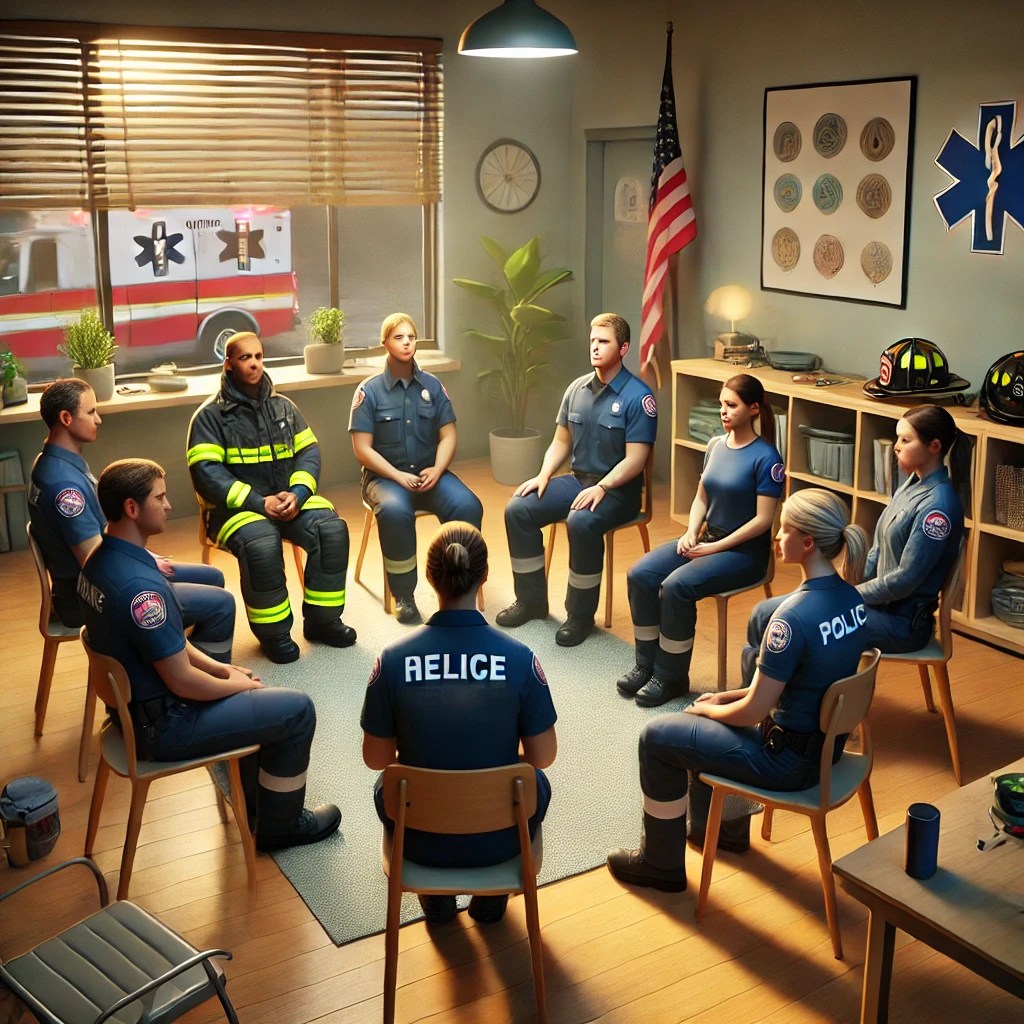
    In the fast-paced, high-stakes world of first responders, stress and trauma are often part of the job description. Police officers, firefighters, paramedics, and emergency medical technicians regularly encounter chaotic, high-pressure situations that require calm, focused decision-making. Over time, this constant exposure to stress can take a toll, leading to burnout, anxiety, and emotional exhaustion.

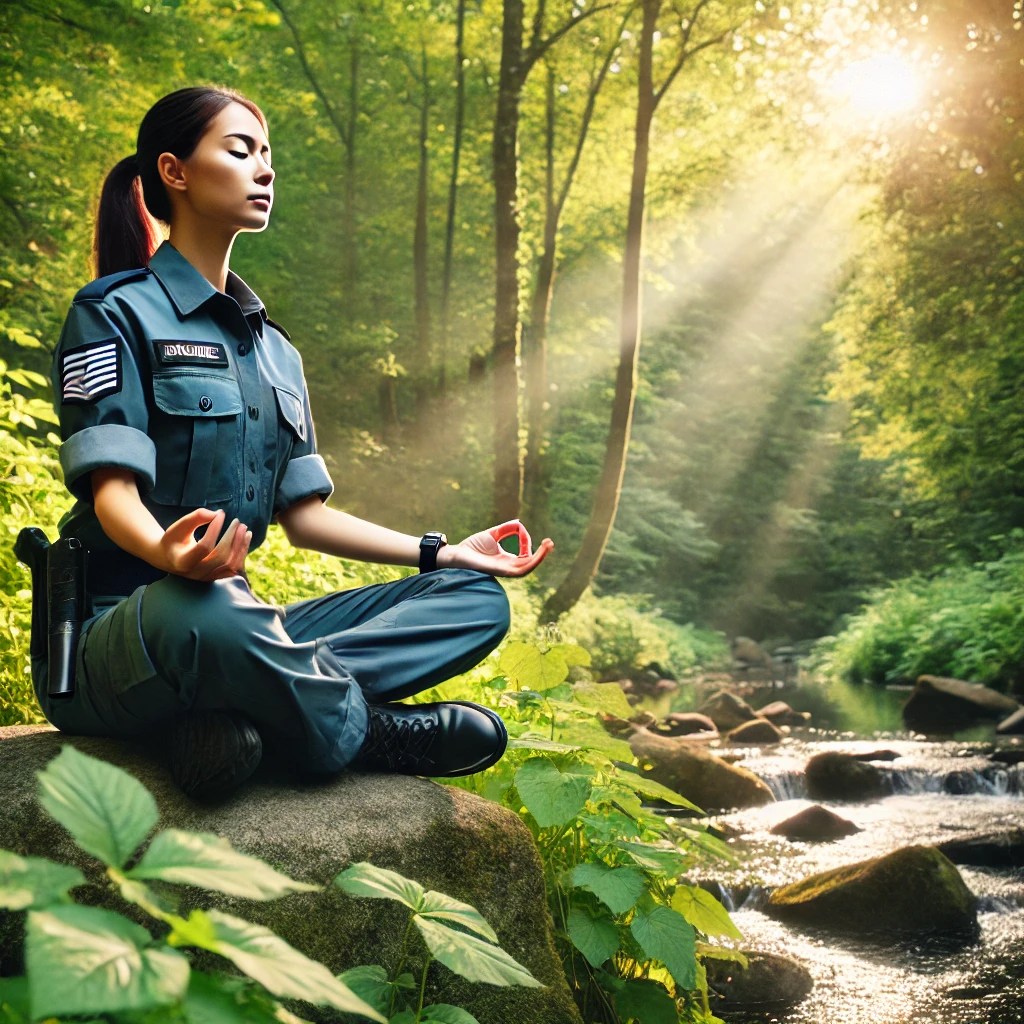
    One powerful tool that can be practiced among first responders is mindfulness. This ancient practice, rooted in being present in the moment without judgment, offers a practical, effective way to manage stress, enhance emotional resilience, and improve focus—even in the most challenging environments.

    What Is Mindfulness?

    Mindfulness is the practice of intentionally focusing on the present moment with an attitude of openness and acceptance. It involves paying attention to your thoughts, emotions, and physical sensations without getting caught up in them. While mindfulness is often associated with meditation, it encompasses a variety of techniques, such as deep breathing, body scanning, and grounding exercises, that can be easily incorporated into daily life.

    For first responders, mindfulness is more than a wellness trend; it’s a survival tool. The ability to stay present, calm, and collected in the face of chaos can mean the difference between a successful outcome and a critical mistake.


    The Science Behind Mindfulness for First Responders

    Numerous studies have shown that mindfulness can significantly reduce stress, anxiety, and symptoms of PTSD, while also improving focus and decision-making under pressure. For first responders, these benefits are particularly impactful:

    • Reducing Burnout: Mindfulness helps mitigate the emotional exhaustion and depersonalization that often accompany burnout, allowing first responders to remain engaged and compassionate in their roles.
    • Lowering Anxiety: Techniques like deep breathing and grounding can activate the parasympathetic nervous system, reducing the fight-or-flight response during high-stress calls.
    • Improving Focus: By training the brain to focus on the present moment, mindfulness enhances situational awareness and decision-making, both of which being critical skills in emergency scenarios.

    A 2016 study published in The Journal of Occupational Health Psychology found that police officers who practiced mindfulness experienced lower levels of perceived stress and fewer symptoms of burnout. Similarly, a program designed for paramedics showed that mindfulness reduced their anxiety levels and improved their ability to manage complex situations effectively.


    Mindfulness in Action: Real-Life Examples

    For first responders, mindfulness isn’t about sitting cross-legged in a serene room—it’s about staying grounded when everything around you is in disarray. Here are a few examples of how mindfulness has helped first responders on the job:

    1. Deep Breathing Technique: During a cardiac arrest call, a paramedic can utilize controlled deep breathing to calm their nerves as they prepare to intubate a patient. By focusing on the breath for just a few moments, they can reduce their heart rate and steady their hands, leading to a successful procedure.
    2. Grounding Practice: While responding to a volatile domestic dispute, a police officer can use a grounding technique—mentally listing five things they could see, four things they could touch, three things they could hear, two things they could smell, and one thing they could taste. This simple exercise can keep them centered, preventing emotional escalation and allowing them to both de-escalate the situation effectively, and add to their situational awareness.
    3. Body Scan: A firefighter can practice a quick body scan before entering a burning building to check for physical tension and calm their breathing. This practice can help them feel mentally and physically prepared to face a dangerous environment.

    Practical Mindfulness Techniques for First Responders

    Deep Breathing

    Deep breathing is one of the simplest yet most effective mindfulness techniques, particularly for first responders dealing with high-stress situations. This exercise involves a rhythmic pattern: inhale deeply through the nose for a count of four, hold the breath for four counts, and exhale slowly through the mouth for another four counts. This method, often referred to as box breathing, activates the parasympathetic nervous system, which counters the body’s stress response by lowering heart rate, reducing blood pressure, and calming the mind.

    Why It Works:
    When you’re stressed, your body triggers a fight-or-flight response, causing shallow, rapid breathing. Deep breathing overrides this reaction by sending signals to your brain that it’s safe to relax. Over time, regular practice can help you manage anxiety, enhance focus, and maintain composure during emergencies.

    How to Use It:

    • Before responding to a call, take a moment to do three to five rounds of box breathing to center yourself. Inhale for a count of four, hold for four, exhale for four, and hold for four, and repeat.
    • If possible, use this technique during brief moments of downtime in high-pressure situations, such as while on the way to a call, when waiting for backup, or during patient handoff. This can also be used after the call is over to regulate the body following a high-stress call.

    Body Scanning

    Body scanning is a mindfulness technique that helps you tune into physical sensations, identify areas of tension, and consciously release it. This practice involves mentally scanning each part of your body, starting from your toes and gradually working up to your head. You pay attention to how each area feels—tight, relaxed, or neutral—and briefly integrate sensation to the area, such as wiggling the toes, tensing each muscle group one at a time, followed by gently relaxing those areas. You can repeat this practice multiple times for more effectiveness.

    Why It Works:
    First responders often hold physical tension from the demands of their work, such as lifting patients, wearing heavy gear, or sitting for long hours in a vehicle. This unidentified tension can lead to chronic pain and stress. Body scanning not only promotes relaxation but also increases awareness of your body’s needs, helping you address discomfort before it escalates. Combined with a stretching routine, this practice can be very beneficial in building physical resistance to stress.

    How to Use It:

    • Try this exercise at the end of a long shift to release built-up tension.
    • Use a quick version (30 seconds) following a call to reset your body and mind before tackling the next task. It can be done while standing, sitting, or laying down.

    Grounding Exercises

    Grounding exercises help you anchor yourself in the present moment, especially during overwhelming or anxiety-provoking situations. The 5-4-3-2-1 technique is a popular method:

    1. Identify 5 things you can see around you.
    2. Notice 4 things you can touch and feel their texture.
    3. Focus on 3 things you can hear in your environment.
    4. Acknowledge 2 things you can smell (or imagine scents if none are present).
    5. Pay attention to 1 thing you can taste, such as a sip of water or gum.

    Why It Works:
    Grounding redirects your focus from intrusive thoughts or heightened emotions to your immediate surroundings. This can be especially helpful for first responders managing chaotic or traumatic events, allowing them to stay calm and clear-headed.

    How to Use It:

    • After responding to a distressing scene, use this technique to reduce feelings of being overwhelmed.
    • Incorporate grounding during moments of high emotion, such as after delivering difficult news to a patient’s family.

    Mindful Pauses

    Mindful pauses are brief moments of intentional awareness that you can integrate into your day. These involve stepping back from your current activity for about 60 seconds to take deep breaths, observe your surroundings, and reset your focus.

    Why It Works:
    First responders rarely have long periods of downtime, but even short moments of mindfulness can interrupt the cycle of stress and provide clarity. A mindful pause helps create a buffer between intense situations, enabling you to approach the next task with a fresh perspective.

    How to Use It:

    • Between calls or shifts, take a mindful pause to mentally transition from one task to another. Focus on a serene scene, a fond memory, or calming activity that you enjoy.
    • Use a mindful pause before walking into a high-stakes situation to set your intention and ground yourself.

    Guided Mindfulness Apps

    Technology has made mindfulness more accessible than ever through apps like Headspace, Calm, and Insight Timer. These apps offer guided exercises tailored for busy lifestyles, including quick breathing exercises, body scans, and grounding practices that can be done in as little as three minutes.

    Why It Works:
    For first responders, the convenience of having mindfulness tools on a smartphone makes it easier to fit these practices into unpredictable schedules. Many apps also offer content specific to stress management, anxiety reduction, and resilience building.

    How to Use It:

    • Start or end your day with a 5-10 minute guided meditation to set a positive tone or decompress.
    • Use short guided exercises during breaks to recharge and refocus.
    • Explore sleep-focused meditations to improve rest after challenging shifts.

    Final Thoughts

    Incorporating these techniques into your routine doesn’t require significant time or effort—just consistency and willingness to prioritize your well-being. Over time, mindfulness can transform how you navigate the unique challenges of being a first responder, helping you stay calm under pressure, reduce stress, and foster resilience in the face of adversity.


    Why Mindfulness Matters for First Responders

    The demands of being a first responder often leave little time for self-care, but mindfulness offers a way to build resilience and maintain mental health amidst the challenges. By cultivating a mindful approach, first responders can better navigate the stress and trauma inherent in their roles, ensuring they remain effective and compassionate caregivers—not just for their communities, but also for themselves.

    Mindfulness isn’t just a tool for the calm moments; it’s a lifeline in the chaos. And in professions where every second counts, that lifeline can make all the difference.


    Call to Action:
    Have you or your team incorporated mindfulness into your routine? Share your experiences in the comments or reach out to learn more about integrating mindfulness into your life. Together, we can build stronger, healthier communities—starting with the people who protect and serve them.