
Tag: personal experience

  • Recovery in the Trenches: Navigating Sobriety in the Medical Field

    Recovery in the Trenches: Navigating Sobriety in the Medical Field

    When I stepped into the world of emergency medicine, I carried more than just a trauma bag and a drive to help others. I also carried my history—a story of survival, sobriety, and relentless hope. As a person in recovery, working in the medical field has been both a profound challenge and an incredible opportunity for connection.

    The Challenges of Recovery in the Medical Field

    Working in emergency medicine means constantly being surrounded by chaos, trauma, and moments that would shake anyone’s resolve. For someone in recovery, the stakes can feel even higher. We see patients at their worst—overdoses, withdrawal, and the physical toll of addiction. It’s impossible not to see pieces of my past in their eyes, and that can stir up emotions I thought I’d buried long ago.

    The medical field also has its own culture, one that doesn’t always prioritize mental health or sobriety. Stress is often managed with substances like alcohol, and “blowing off steam” after a tough shift can quickly spiral into unhealthy habits. For me, navigating this environment while staying true to my sobriety has required strong boundaries and an unwavering commitment to my recovery.

    Then there’s the stigma. While I openly share my story in spaces where it can help others, I know not everyone in the medical field understands what it means to be in recovery. Sometimes, I’ve felt like I had to prove that my past doesn’t define my present. But instead of being a limitation, my history has become a source of strength.

    Turning Challenges Into Opportunities

    One of the unexpected gifts of being in recovery is the ability to connect with patients on a deeply human level. When I encounter someone battling addiction or struggling through withdrawal, I don’t just see their chart or their diagnosis. I see their humanity. I see their potential.

    For example, when treating a patient who’s overdosed or in the grips of substance use, I don’t shy away from the conversation. If the moment feels right, I might say, “I’ve been where you are. It doesn’t have to end here.” Those words can be a lifeline, not just because they’re comforting, but because they come from someone who has walked the same path. I’ve seen patients’ eyes light up—not with shame, but with hope.

    These moments of connection are some of the most fulfilling parts of my job. They remind me that recovery is not just about staying sober; it’s about being of service. Every interaction is an opportunity to plant a seed, to remind someone that they’re not alone, and that change is possible.

    Self-Care as a Lifeline

    Recovery in the medical field has taught me the non-negotiable importance of self-care. Long shifts, emotional cases, and physical exhaustion can be dangerous for anyone, but for someone in recovery, they can be a slippery slope. I’ve learned to prioritize my mental and physical health—whether that’s through my morning and evening routines, regular therapy, or connecting with my support network.

    I’ve also found it essential to stay grounded in my “why.” Why did I get sober? Why did I choose this career? Reflecting on these questions keeps me aligned with my values, even on the hardest days.

    Breaking the Stigma

    If there’s one thing I’ve learned, it’s that people in recovery bring unique strengths to the medical field. We know how to rebuild after hitting rock bottom, how to empathize without judgment, and how to find resilience in the face of hardship. Yet, stigma around addiction and recovery still exists, even in healthcare.

    By sharing my story, I hope to break down that stigma—not just for my patients, but for my colleagues. Recovery isn’t a weakness; it’s a testament to strength, perseverance, and the human capacity for change. The more openly we talk about it, the more we can create a culture where vulnerability is met with support instead of shame.

    A Life of Purpose

    Being a person in recovery working in the medical field is not without its struggles, but it’s also a life filled with purpose. Every shift, I have the chance to be a light in someone else’s darkness, to offer hope when it feels like all is lost. And in doing so, I keep my own recovery alive.

    For anyone else in recovery considering or working in healthcare, know this: Your past doesn’t disqualify you. It prepares you. The empathy, resilience, and strength you’ve built are exactly what the world needs. You are proof that healing is possible, both for yourself and for the patients you serve.

    Recovery is a journey, not a destination. And for me, this journey continues in the trenches—one patient, one connection, and one day at a time.
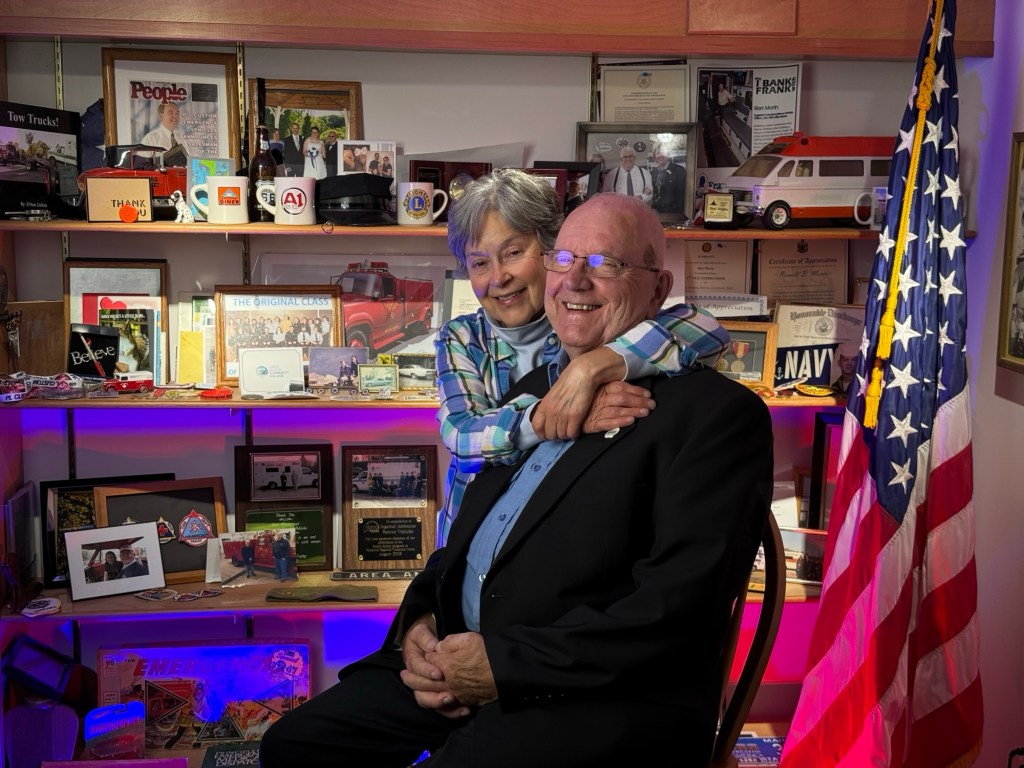

  • Mentorship in EMS: Lessons from My Relationship with Ron Morin

    Mentorship in EMS: Lessons from My Relationship with Ron Morin

    Mentorship is a cornerstone of growth in any field, but in Emergency Medical Services (EMS), where the stakes are high and the learning curve is steep, it can be transformative. For me, mentorship came in the form of Ron Morin—a pioneer in Maine EMS whose career spanned over four decades, starting with the state’s very first paramedic program. His passion for the field didn’t stop with patient care; it extended to ambulance design, regional sales, education, and advocacy. But our story didn’t begin in the thick of his career. It started after Ron and his wife Becky, a paramedic and nurse practitioner, had retired—a time when I was just starting my journey as an EMT.

    At the time, I was still figuring out my path in healthcare and emergency medicine. Meeting Ron and Becky couldn’t have come at a better time. Their thoughtful guidance, experience, and unwavering encouragement became a steadying force in my life. As our relationship grew, so did the depth of their impact on me. Today, I’m proud to call them my chosen grandparents—a title they’ve earned through years of offering love, support, and wisdom.

    A New Chapter: Touring and Writing with Ron

    One of the most rewarding aspects of my mentorship with Ron has been our work together on the Squad 51 History and Education Project, his nonprofit educational initiative. Touring the Northeast with Ron, we’ve worked to inspire new generations of EMS professionals and connect with seasoned veterans who grew up watching the iconic show Emergency! These trips have been more than just professional opportunities—they’ve been lessons in history, community, and the evolution of EMS.

    In 2023, our collaboration deepened when I began working on Ron’s autobiography. As I transcribed his stories, I gained insight into the origins of 911 services in rural Maine, the challenges faced by early paramedics, and the profound dedication it takes to build a system that saves lives. Beyond his professional journey, I’ve learned about the enduring love and partnership he shares with Becky, the resilience they’ve shown through life’s challenges, and their tireless commitment to the EMS community.

    What Ron Taught Me About Mentorship

    Ron’s mentorship has been a masterclass in patience, perspective, and humility. He’s taught me that no matter how advanced our tools or protocols become, EMS is ultimately about people—about their stories, struggles, and triumphs. His advice has helped me become not just a better EMT, but a more compassionate and grounded healthcare provider.

    One of the most profound lessons I’ve learned is the importance of listening—really listening. Whether it’s a patient in crisis, a colleague in need of support, or the wisdom of someone who’s been in the field for decades, listening creates the space for growth and connection.

    It’s also because of Ron and Becky’s encouragement that I found the courage to start this blog, Mind Over Mayday. Sharing my story and advocating for first responder mental health wouldn’t have been possible without their belief in me.

    Why You Should Seek a Mentor in EMS

    Mentorship in EMS isn’t just about passing down technical knowledge; it’s about building relationships that challenge, support, and inspire. Here are a few reasons why finding a mentor could change your career—and your life:

    1. Perspective: Mentors like Ron bring a wealth of experience that helps put the challenges of the job into context. Their stories remind us why we chose this field in the first place.

    2. Guidance: A mentor can help you navigate career decisions, refine your skills, and avoid common pitfalls.

    3. Support: The demands of EMS can be overwhelming, but having someone who understands the unique stressors of the job can make all the difference.

    4. Connection to the Past: Learning from those who’ve shaped the field connects us to its history and inspires us to contribute to its future.

    Honoring the “Dinosaurs” of EMS

    Too often, the wisdom of EMS veterans is overlooked in a field that’s constantly evolving. But the so-called “dinosaurs” of EMS have a depth of knowledge and perspective that no textbook or protocol manual can provide. Their stories are a reminder of how far we’ve come—and how much we still have to learn.

    For me, Ron and Becky have been that bridge between the past and the future, showing me what it means to dedicate your life to a calling. Their mentorship has shaped my career and my perspective, and I’ll forever be grateful for the lessons they’ve taught me.

    So, if you’re new to EMS—or even if you’re not—find a mentor. Seek out someone who inspires you, challenges you, and helps you grow. And when the time comes, pass that knowledge along. Because mentorship isn’t just about becoming better at what you do; it’s about ensuring the next generation is even stronger.

    To Ron and Becky—thank you for everything. Your impact on my life and my career is immeasurable, and I hope to honor it by continuing to learn, grow, and give back.

  • Vicarious Resilience: Finding Strength Through Stories of Survival

    Vicarious Resilience: Finding Strength Through Stories of Survival

    As first responders, we are often exposed to some of the most challenging moments in people’s lives. The emergencies we encounter can weigh heavily on us, leaving behind an emotional residue that is difficult to process. Yet, amidst the chaos and heartbreak, there is a profound gift: the ability to witness resilience.

    Vicarious resilience, a concept born from the field of trauma therapy, refers to the strength and healing we gain by observing others overcome adversity. For first responders, this can take many forms—watching a patient fight for their life and recover, seeing families come together during crises, or learning from colleagues who persevere despite the hardships of the job. These stories serve as powerful reminders of human strength, giving us the hope and courage to continue showing up, no matter how difficult the day may be.

    The Transformative Power of Resilience

    Each shift presents us with moments where resilience is on full display. It could be a child smiling through pain, a survivor expressing gratitude, or a colleague standing tall after enduring unimaginable challenges. These experiences are not just fleeting snapshots—they have the potential to inspire personal growth, foster empathy, and build a sense of purpose.

    Vicarious resilience is a vital antidote to the emotional toll of our work. It shifts the narrative from despair to hope, reminding us that even in the darkest moments, there is light. When we allow ourselves to absorb these stories, they can become tools for our own healing.

    Introducing: Stories of Strength—A New Interview Series

    To further explore the impact of resilience in the first responder community, I’m excited to announce a new blog series: Stories of Strength: Interviews with First Responders and Survivors.

    In this series, I’ll sit down with professionals from the field and individuals who have endured and overcome significant challenges. Together, we’ll discuss the moments that shaped their journeys, the lessons they’ve learned, and how their experiences can inspire hope and healing in others.

    Through these interviews, my goal is to create a space where we can celebrate resilience in all its forms. By sharing these stories, I hope to offer readers—whether they are first responders, mental health advocates, or anyone facing their own battles—a source of comfort, encouragement, and perspective.

    Finding Your Own Resilience

    Witnessing the resilience of others is a gift, but it is equally important to recognize your own strength. Each time you show up for a call, comfort a patient, or support your peers, you are embodying resilience. Take time to honor that within yourself.

    As we move forward with this series, I invite you to join me on this journey of discovery and growth. Let’s shine a light on the incredible strength within our community and use these stories as stepping stones toward healing and hope.

    Stay tuned for the first interview in the series—it’s a story you won’t want to miss.

    Together, let’s find strength in the resilience around us and within us.

  • The Emotional Backpack: What We Carry Home After Every Shift

    The Emotional Backpack: What We Carry Home After Every Shift

    Every first responder knows the feeling of coming home after a tough shift—the weight that follows you through the door, the mental replay of a critical call, or the silence that fills the space where words fail. This invisible weight, often referred to as “emotional residue,” builds up over time, creating what I call The Emotional Backpack.

    We may not realize how full that backpack is until it spills over, affecting not just our well-being but also our personal relationships.

    What’s in the Backpack?

    Each call we respond to leaves something behind. For some, it’s the heartache of comforting a grieving family. For others, it’s the frustration of a chaotic scene or the stress of making split-second decisions. Even the calls that go “smoothly” can leave behind fatigue and emotional drain.

    We don’t leave these moments behind when we clock out. Instead, they come home with us, shaping how we interact with our loved ones. This can show up as:

    • Irritability or withdrawal: Small things may trigger disproportionate reactions, or we might disengage entirely.

    • Difficulty communicating: It’s not always easy to find the words to explain what we’ve been through—or to decide whether we want to share at all.

    • Emotional unavailability: Being emotionally drained at work can leave little energy for connection at home.

    Over time, this can create distance in our relationships, strain communication, and leave loved ones feeling shut out.

    How to Leave Work Stress at the Door

    While we can’t avoid the emotional impact of the job, we can take steps to manage how much of it we bring home. Here are some strategies to help lighten the load of that emotional backpack:

    1. Create a Transition Ritual

    Give yourself a buffer between work and home. This could be listening to music on the drive, taking a walk, or even sitting quietly for a few minutes before stepping inside. These moments of intentional transition can help you shift gears mentally and emotionally.

    2. Offload the Backpack

    Find ways to process what you’ve been through. Talk to a trusted colleague, write in a journal, or seek professional support if needed. Sharing your thoughts—even if only with yourself—can reduce their weight.

    3. Set Boundaries

    While it’s important to share parts of your workday with your loved ones, it’s equally important to protect your personal space from becoming an extension of your job. Be honest about your need to decompress, but also make space for meaningful connection.

    4. Practice Mindfulness

    Grounding techniques like deep breathing or meditation can help bring you into the present moment, reducing anxiety and helping you leave the intensity of work behind.

    5. Nurture Personal Connections

    Make a conscious effort to engage with your family or friends. Even small acts, like asking about their day or planning quality time, can strengthen bonds and remind you of the support system you have.

    6. Prioritize Self-Care

    Regular exercise, adequate sleep, and balanced nutrition are essential for maintaining emotional resilience. Self-care isn’t selfish—it’s necessary for showing up fully at work and at home.

    The Ripple Effect

    As first responders, we pride ourselves on being strong and dependable. But true strength comes from acknowledging the impact of the job and taking steps to manage it. When we learn to offload some of the emotional residue we carry, we’re not only helping ourselves—we’re showing up better for the people who matter most.

    Your emotional backpack doesn’t have to weigh you down. By practicing self-awareness, setting boundaries, and nurturing personal relationships, you can keep work stress from spilling into your home life, creating space for joy, connection, and peace.

    So, the next time you walk through your door, ask yourself: What am I carrying? And what can I set down?

  • Caring for the Dead and Dying: A Sacred Responsibility

    Caring for the Dead and Dying: A Sacred Responsibility

    In the emergency room, we stand at the intersection of life and death, where every moment can shift from hope to heartbreak. Some days, despite everything we do, someone slips away. When that happens, my role changes—from fighting to save a life to honoring the one that has just ended. It’s a sacred responsibility, one I approach with reverence and care, but it’s also a heavy burden to carry.

    After a loss, the real battle begins in my mind. It’s a constant tug-of-war between relief and guilt. Relief comes when death feels like mercy—when someone’s suffering ends after a long battle with pain or illness. But guilt is never far behind. Could we have done more? Did I do enough? These questions echo in my mind, weighing on my heart.

    I remind myself of my mantra: We are not God. We don’t decide who lives or dies. We just do the best we can and leave the rest to a Higher Power. I know this truth, but it doesn’t always quiet the ache. The weight lingers—a mix of sorrow, self-reflection, and an unshakable sense of responsibility.

    Caring for the dead is, for me, a deeply spiritual act. I approach it as I would for a loved one, with gentleness and respect. I clean their body, speaking to them softly as I work, telling them what I’m doing. I close their eyes with care, sometimes offering a prayer or words of peace. These small acts are my way of honoring their life and helping guide their spirit to rest. It’s a sacred moment, a final goodbye, and a reminder of our shared humanity.

    But then comes the cleanup—the part no one prepares you for. The crash cart still sits in the room, its monitor frozen on asystole. The bright fluorescent lights seem harsher than ever, illuminating every detail: the blood, the tubes, the remnants of everything we tried to do. The smell of blood and chemicals lingers in the air, overwhelming my senses. The silence after the chaos feels deafening, broken only by the mechanical sounds of cleaning up the room.

    It’s a sensory overload—the sights, the smells, the memories of what just happened. Cleaning up feels both mechanical and deeply personal. It’s as if we’re closing the chapter on a battle we lost, packing away the tools of a fight that didn’t end the way we’d hoped. These moments are raw, and they stay with me long after the room is ready for the next patient.

    This work is not easy. It leaves an emotional weight that can feel unbearable at times. But even in the midst of grief and exhaustion, I find meaning. I remind myself that every fight matters, even when we don’t win. I hold on to the knowledge that death is not always a tragedy—sometimes, it’s a release from unimaginable suffering.

    Saving lives and losing them are two sides of the same coin, inseparable and relentless. My job isn’t to control the outcome; it’s to give everything I have, to honor the lives in my care, and to carry the weight of loss because that’s the price of compassion and service.

    And so, I keep going. Through the relief and the guilt, the harsh cleanup and the sensory overload, I find peace in the knowledge that I’ve done all I could. Each life I touch, even in their final moments, deserves dignity, care, and love. This belief sustains me when the weight feels too heavy to carry and reminds me why I do what I do.

  • National Legislative Efforts for First Responder Mental Health: Why We Must Keep Raising Our Voices

    National Legislative Efforts for First Responder Mental Health: Why We Must Keep Raising Our Voices

    First responders are the backbone of our communities, showing up during our worst moments to protect, heal, and save lives. Yet, the toll of witnessing trauma and carrying the weight of those experiences is often overlooked. Despite the undeniable need, resources for mental health support remain inadequate. Thankfully, there are growing efforts at the national level to address these issues, but it’s up to us to ensure they don’t fall through the cracks.

    In a previous post, I discussed how first responders can engage in policy advocacy to create meaningful change. Now, let’s dive into the current legislative efforts and why your voice is crucial in pushing these initiatives forward.

    Current Legislative Efforts

    1. First Responders Wellness Act

    Introduced in July 2024 by Senators Kirsten Gillibrand (D-NY) and Josh Hawley (R-MO), this bipartisan bill proposes the creation of a grant program to enhance mental health services for first responders. It also includes the establishment of a national mental health hotline specifically for law enforcement officers, firefighters, EMTs, and others on the frontlines.

    Current Status: The bill has been referred to the Committee on the Judiciary, where it awaits further review.

    2. CARE for First Responders Act (H.R.6415)

    Introduced in the House in November 2023, this bill seeks to provide specialized mental health, substance abuse, and crisis counseling services to first responders. The aim is to address the unique challenges these professionals face, including chronic stress and burnout.

    Current Status: Referred to the Subcommittee on Economic Development, Public Buildings, and Emergency Management for further discussion.

    3. Fighting Post-Traumatic Stress Disorder Act of 2023

    Reintroduced by Senator Chuck Grassley (R-IA) in early 2023, this legislation aims to establish programs designed to help first responders cope with the long-term effects of trauma, such as PTSD and depression.

    Current Status: Under consideration, with ongoing discussions about how to best implement and fund these programs.

    The Alarming Reality: Suicide Rates Among First Responders

    The mental health challenges faced by first responders are profound, with suicide rates notably higher than those of the general population. A study by the U.S. Fire Administration analyzing data from 2015 to 2017 found that first responders accounted for 1% of all suicides during that period. Within this group, 58% were law enforcement officers, 21% were firefighters, 18% were EMS providers, and 2% were public safety telecommunicators.

    Further research indicates that 37% of fire and EMS professionals have contemplated suicide, a rate nearly ten times higher than that of American adults. A 2018 white paper by the Ruderman Family Foundation revealed that police officers and firefighters are more likely to die by suicide than in the line of duty.

    These statistics underscore the urgent need for comprehensive mental health support tailored to the unique challenges faced by first responders.

    The Need for Continued Advocacy

    Legislative efforts like these are an incredible step forward, but they can’t stop here. Bills like the First Responders Wellness Act and the CARE for First Responders Act are only the beginning. To make real change, we need to ensure these efforts are not only passed but also expanded upon and adequately funded.

    Mental health is not a luxury—it’s a necessity for the longevity and well-being of the people who protect us. Without proper support, first responders face increased risks of burnout, PTSD, depression, substance use, and even suicide.

    What Can We Do?

    As I’ve shared before, first responders have a unique and powerful voice in policy advocacy. Here’s how we can ensure these bills move forward and inspire further action:

    1. Contact Your Representatives

    Share your story and explain why these bills matter. Personal accounts from first responders carry immense weight in demonstrating the need for change.

    2. Raise Awareness

    Use your platform, whether it’s social media, local meetings, or community events, to inform others about these legislative efforts.

    3. Collaborate

    Partner with advocacy organizations focused on first responder mental health. Groups like the National Alliance on Mental Illness (NAMI) and local firefighter and EMS unions are often at the forefront of these battles.

    4. Stay Engaged

    Track the progress of these bills and hold your representatives accountable. If progress stalls, follow up.

    A Call to Action

    The time for action is now. Legislative momentum can waver without visible public support. It’s up to us to keep the conversation alive, push for better mental health resources, and ensure that the government invests in the well-being of first responders.

    We must continue to demand more—not just for the passage of these bills, but for the expansion and funding of mental health initiatives across the board. When we advocate for ourselves and our peers, we create a safer, healthier future for everyone.

    Let’s raise our voices together and ensure that these critical efforts become law. The well-being of our first responders depends on it.

    If you’re unsure where to start with policy advocacy, check out my previous post on how first responders can get involved. Let’s make our voices heard!

  • Using TIPP to Manage Emotional Distress After Traumatic Calls

    Using TIPP to Manage Emotional Distress After Traumatic Calls

    First responders often face high-stress, emotionally taxing situations that can lead to overwhelming emotions after a traumatic call. TIPP (Temperature, Intense exercise, Paced breathing, Progressive relaxation) provides actionable strategies to manage these feelings effectively. These practices have each helped me tremendously after intense or traumatizing calls. Here’s how first responders can use each component:

    T – Temperature: Cool Your System

    Trauma can cause your body to go into fight-or-flight mode, escalating emotional intensity. Using cold temperatures can help calm your nervous system.

    • How to Apply:

    • Splash cold water on your face or hold an ice pack against your cheeks for 30 seconds.

    • Use cold compresses on your neck or wrists.

    • If accessible, step into a cooler environment (e.g., an air-conditioned space).

    • Why it Works:

    Cooling your body activates the mammalian dive reflex, which slows your heart rate and reduces stress.

    I – Intense Exercise: Burn Off Energy

    After a traumatic call, adrenaline and cortisol levels spike, leading to physical restlessness and emotional overwhelm. Intense exercise provides a healthy outlet.

    • How to Apply:

    • Do 30-60 seconds of jumping jacks, push-ups, or sprinting.

    • Engage in vigorous activities like running stairs or shadowboxing.

    • If at your station, consider using available equipment like kettlebells or a treadmill.

    • Why it Works:

    Intense movement burns off excess stress hormones, re-regulating your body and mind.

    P – Paced Breathing: Reclaim Control

    Hyperventilation often accompanies emotional distress. Paced breathing counters this by slowing your breath and calming your body.

    • How to Apply:

    • Inhale deeply through your nose for 4 seconds.

    • Hold your breath for 4 seconds.

    • Exhale slowly through your mouth for 6-8 seconds.

    • Repeat this pattern for 1-2 minutes.

    • Why it Works:

    Deliberate breathing engages the parasympathetic nervous system, helping reduce feelings of panic or overwhelm.

    P – Progressive Muscle Relaxation: Release Tension

    Trauma often causes physical tension. Progressive relaxation helps release that tension and refocus your mind.

    • How to Apply:

    • Start with your toes: tense the muscles tightly for 5-10 seconds, then release.

    • Gradually work upwards through your legs, torso, arms, and face.

    • Pair this exercise with deep, slow breathing for added relaxation.

    • Why it Works:

    This technique reduces physical tension associated with stress and anchors you in the present moment.

    When to Use TIPP

    First responders can use TIPP immediately after a traumatic call, during a quiet moment at the station, or at home when distress surfaces. These techniques are portable, require no special tools, and work quickly to lower emotional intensity.

    By incorporating TIPP into self-care routines, first responders can process trauma effectively, reduce emotional overload, and maintain mental well-being. Remember, seeking additional support from peers or mental health professionals is always encouraged.

  • How to Use the 5 Blinks Method to Overcome Intrusive Traumatic Images

    How to Use the 5 Blinks Method to Overcome Intrusive Traumatic Images

    Intrusive images and flashbacks can feel overwhelming and disorienting, but the 5 Blinks Method is a quick and effective technique to regain control of your mind and focus on the present. This simple practice uses a combination of grounding and mindfulness to help redirect your attention and soothe your nervous system. This technique was introduced to me by a licensed therapist, and has been extremely helpful for me when I’ve dealt with traumatic calls and scenes, both in the field and in the hospital.

    Step-by-Step Guide to the 5 Blinks Method

    1. Identify the Intrusive Image

    • When you notice an intrusive image or memory, acknowledge it without judgment.

    • Say to yourself: “This is just a thought, not my reality right now.”

    2. Take a Deep Breath

    • Inhale deeply through your nose for 4 seconds, hold for 4 seconds, and exhale slowly through your mouth for 6 seconds.

    • This activates the parasympathetic nervous system to help you calm down.

    3. Blink Five Times Slowly

    • Blink deliberately and slowly five times.

    • Each blink acts as a symbolic “reset” for your brain, helping to break the cycle of intrusive thoughts.

    4. Visualize Sending the Image Away

    • Close your eyes.

    • Imagine the intrusive image as a photograph, or a film reel- an object or something tangible.

    • Now imagine a box big enough to fit the image-object.

    • Visualize placing the image-object into the box and sending that box as far away in your mind as possible, watching it get smaller and smaller, until it completely disappears in the distance.

    Take a deep breath

    5. Blink Five Times Slowly

    • Blink deliberately and slowly five times.

    • Repeat a grounding statement or positive affirmation to yourself, such as:

    • “I am here in this moment.”

    • “I did everything I could.”

    • “Life happens on life’s terms.”

    6. Ground Yourself in the Present Moment

    • With your eyes open, identify five things you can see.

    • Say them out loud or in your mind.

    7. Move a Muscle, Change a Thought

    • Find something that you can focus your entire attention on- something physical such as going for a walk outside, cleaning something, or opt for a quick workout. Physical activity has a number of benefits, including grounding yourself in your body, releasing endorphins, and even boosting serotonin.

    • Other mind-consuming activities can help too- like playing a game on your phone, having a conversation with someone, or watching an interesting show or movie.

    8. Repeat as Many Times as Needed

    • If the image is resistant and continues to intrude, repeat steps 1-6 as many times as needed, while still trying to find something you can completely and mindfully focus on.

    Additional Tips for Success

    Practice Regularly: The more you use the 5 Blinks Method, the quicker your brain will recognize it as a tool to refocus.

    Pair with Deep Breathing: Combining the method with paced breathing enhances its calming effect.

    Use a Support Object: Hold a grounding object, like a smooth stone, while practicing. (I use a short piece of thin rope that has a knot tied on one end- because when you get to the end of your rope, you tie a knot and hold on!)

    Other Distress Tolerance Techniques to Explore

    The 5 Blinks Method is just one of many strategies to manage distress and intrusive thoughts. Stay tuned for future posts where we’ll explore other effective techniques:

    1. TIPP Skills – Using temperature, intense exercise, paced breathing, and paired muscle relaxation to lower emotional intensity.

    2. Grounding Techniques – Detailed practices like the 5-4-3-2-1 method and body scans.

    3. Opposite Action – Redirecting overwhelming emotions by taking an action opposite to the urge.

    4. Distraction Toolkit – Creating a personalized box or bag of items and activities to help refocus during moments of distress.

    5. Mindful Visualization – Replacing intrusive images with a safe or peaceful mental scene.

    Final Thoughts

    The 5 Blinks Method is a powerful, portable tool to help you navigate intrusive traumatic images. It works by engaging your senses and redirecting your focus, allowing you to move forward without being stuck in the past. Remember, it’s okay to seek additional support from a trusted counselor or peer support group as you work through these challenges.

    You’ve got this—one breath at a time.

  • From Darkness to Purpose: How I Found My Calling Through Sobriety

    From Darkness to Purpose: How I Found My Calling Through Sobriety

    I still remember the sound of the bottle opening—the sharp hiss of pressure released. It was my signal to exhale, to let go of the stress, to numb the fears I couldn’t face. It began innocently enough, a glass of wine here, a drink there, just to take the edge off after a long day. I was juggling so much at the time: graduate school, single motherhood, and a leadership role at the University of Maine, managing nearly 60 senators representing every graduate program. The weight of it all was enormous, but I was proud of how well I seemed to handle it—at least on the surface.

    Then came 2020.

    The Covid pandemic didn’t just disrupt the world around me; it unraveled the fragile thread holding me together. As a leader during such an uncertain time, I felt a responsibility to remain calm and composed. But inside, I was breaking apart. To cope, I began drinking more—just enough to calm my nerves. It felt harmless at first, even justified. After all, wasn’t everyone finding their own ways to deal with the stress?

    What I didn’t realize was how quickly alcohol had taken hold of my life. What started as an occasional escape became my crutch. Then, seemingly overnight, it became my master. I couldn’t sleep without it. I couldn’t wake up without it. The shakes, the headaches, the constant anxiety—it all demanded I drink just to function. And yet, I was still showing up, still leading, still pretending everything was fine.

    But it wasn’t fine.

    My dependence on alcohol grew in the shadows, invisible to those around me. I was isolated in leadership, feeling like I had no one I could turn to for support. So I turned to the bottle instead. Alcohol became my confidant, my escape, and my prison.

    In just a few months, my life crumbled.

    The responsibilities I had once carried with pride became unbearable. My credibility eroded as the people around me began to see the cracks in the façade. I lost opportunities I had worked so hard to earn. I lost the respect of others, but worse, I lost respect for myself.

    At my lowest point, I found myself sleeping in my car. I had gone from a self-supporting single mom in graduate school and leadership to a homeless woman with nothing but a pile of shattered dreams. My rock bottom wasn’t just a moment; it was a freefall into despair.

    But here’s the thing about rock bottom—it’s also a foundation.

    My recovery started with small, painful steps. Admitting I needed help. Reaching out to people I thought I had alienated forever. Facing the shame and guilt I had drowned for so long. I had to rebuild my life piece by piece, brick by brick, with nothing but the will to survive and a faint hope that maybe—just maybe—I could do better.

    In sobriety, I began to discover not just who I was, but who I was meant to be. My life had been saved—many times, in many ways—by the hands of first responders and healthcare workers. Their compassion and courage became a beacon for me, lighting the way forward. I decided I wanted to give back to the very field that had saved me.

    I became an EMT, then a firefighter, and later found my place in healthcare, working in an emergency department. For the first time, I felt like I was part of something greater than myself. I had found my calling—a purpose that made my pain feel meaningful.

    This work doesn’t just encourage my sobriety; it demands it. I could not perform this job effectively if I weren’t committed to maintaining my recovery. The same tools I once ignored or dismissed—self-awareness, stress management, healthy coping strategies—are now essential to my success. Every shift is a reminder of how far I’ve come and why I must keep moving forward.

    I’ve replaced the bottle with better tools: mindfulness, connection, and a deep commitment to serving others. Instead of running from my emotions, I’ve learned to process them, to face the hard days head-on, and to find strength in vulnerability.

    The irony isn’t lost on me that the career I once feared would judge me for my past has become my greatest ally in staying sober. In helping others, I’ve also helped myself.

    Today, I am not just sober—I am alive, awake, and thriving. I am proud of the person I’ve become, but I never forget the woman I was. She’s the reason I fight so hard to stay on this path.

    If you’re reading this and struggling, I want you to know it’s never too late to rewrite your story. Recovery is possible. A life of purpose and joy is waiting for you on the other side.

    Because sometimes, the worst chapters of our lives are the ones that teach us how to write our best.