
Tag: technology

  • A Shift in Mindset: Rethinking How We Use Healthcare and Emergency Services

    A Shift in Mindset: Rethinking How We Use Healthcare and Emergency Services

    At Mind Over Mayday, we focus on understanding the complex challenges that contribute to the stress and mental health struggles faced by first responders and healthcare providers. One of the greatest sources of this stress comes from the overwhelming demand placed on emergency services by patients seeking care that could often be addressed at lower levels of the healthcare system. In this post, I aim to explore this issue with sensitivity and balance. This is not intended to create division or foster unhealthy dialogue between healthcare providers and consumers. Instead, I seek to validate the shared frustrations of both groups and offer a starting point for solutions—grounded in education, collaboration, and greater transparency. By addressing these challenges together, we can move toward a system that alleviates stress for providers while ensuring patients receive the right care at the right time.

    From my experiences on both sides of the healthcare system—as an EMT in the field and as a technician in the emergency department of one of Maine’s largest hospitals—I’ve noticed a troubling pattern in how healthcare is sought and utilized. It’s a pattern that contributes to the overburdening of emergency services, and if we want a system that works efficiently for everyone, I believe it’s time for an important dialogue.

    Let me begin by assuring you that my observations come not from a place of judgment but from a perspective of both healthcare provider and healthcare consumer. I’ve been on both sides of the insurance spectrum: at one point covered by state-funded insurance (Mainecare) and now with private insurance. Both systems serve critical roles, but they shape the way we approach healthcare very differently.

    When I was on Mainecare, I had no out-of-pocket costs for any medical services. In theory, this should have been a great thing—it meant access to care without financial barriers. However, this also influenced how I accessed care. I often sought immediate and high-level care because, in practical terms, all options were “equal.” There was no financial incentive to weigh whether I should visit primary care, urgent care, or the emergency department; they all seemed like valid options in a moment of need.

    Now, with private insurance, I experience healthcare differently. I have to weigh costs carefully because I face varying copays: $25 for a primary care visit, $75 for urgent care, and $150 for an emergency room visit. This naturally makes me more selective. For non-emergent issues, I’m inclined to start with home remedies, over-the-counter options, or seek advice from lower-cost providers. The recent itemized bill from a minor surgery—$16,000, of which I had to cover $566—reminded me how costly healthcare can be. It’s a level of transparency and accountability that isn’t part of the experience for those covered fully by state insurance.

    This isn’t a criticism of those on state-funded insurance. In many ways, the system unintentionally disempowers patients by shielding them from the financial realities of healthcare. Without a full understanding of how services are billed and prioritized, people may not realize the strain that frequent emergency department visits place on the system. They may also not understand that arriving by ambulance doesn’t guarantee faster care—emergency rooms prioritize patients based on acuity, not arrival time or method.

    This lack of understanding often leads to frustration and dissatisfaction. Emergency departments are overwhelmed by non-urgent cases—patients seeking COVID-19 or flu testing, treatment for minor infections, or management of chronic conditions. These cases could often be handled more efficiently at primary care or urgent care centers, but many people either don’t realize this or face barriers to accessing these alternatives.

    So where do we go from here? The solution isn’t as simple as reducing access to care by adding copays for state-funded insurance. That would only create new barriers for people who already struggle to access care. Instead, we need a twofold approach:

    1. Enhanced public health education: We must teach people how to navigate the healthcare system effectively—what services to seek and when. This includes explaining how emergency departments operate and promoting the role of primary care and prevention.
    2. Systemic transparency: Patients, regardless of insurance type, should have access to clearer information about the costs and processes involved in their care. An informed patient is an empowered patient, better equipped to make thoughtful decisions about their health.

    The conversation around healthcare access and emergency service use needs to shift toward collaboration and education. Healthcare workers, public health officials, policymakers, and community leaders must come together to create a more efficient, compassionate, and sustainable system.

    To my readers who are healthcare consumers and providers alike: What are your thoughts on this? What changes would you like to see in how we educate and empower patients? Let’s open this dialogue and work toward solutions that benefit us all.
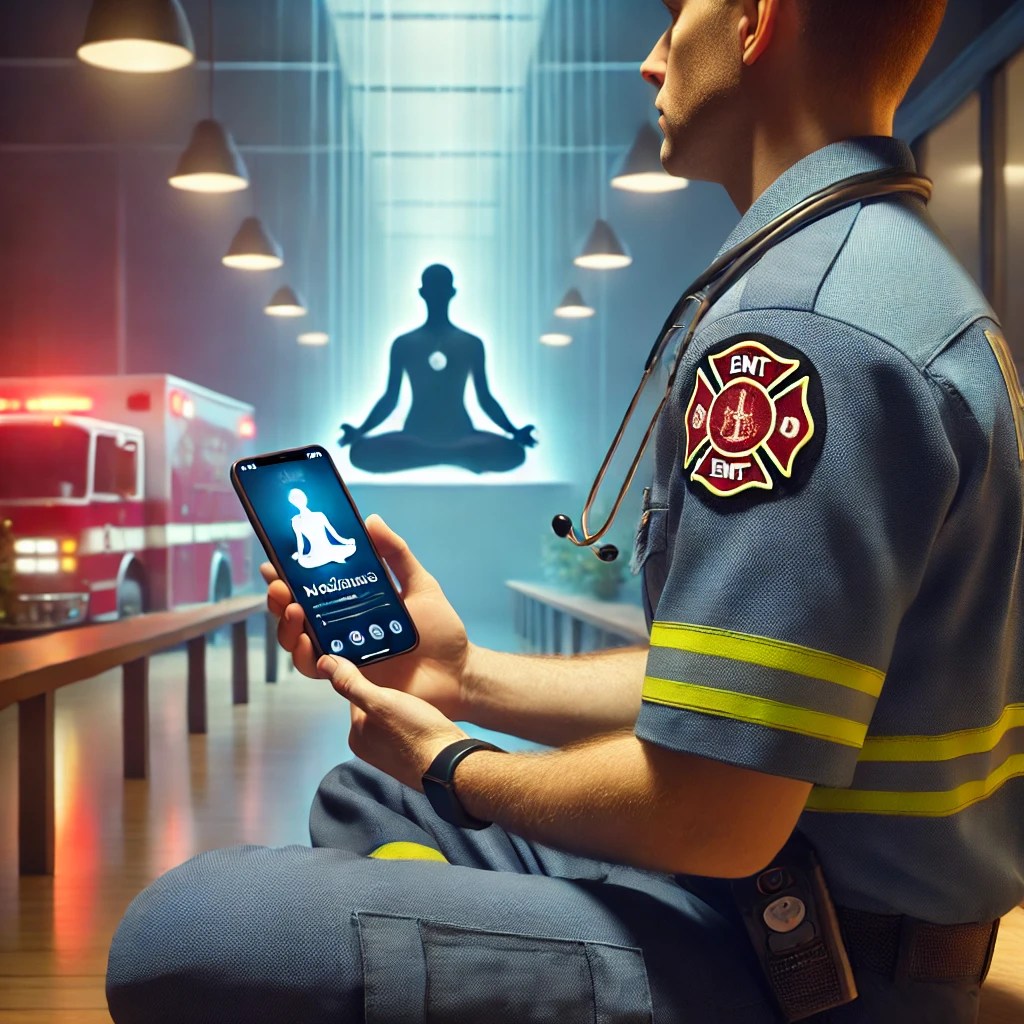
  • Wellness Apps for Healthcare Professionals and First Responders: Managing Tasks, Mental Health, Mindfulness, and Fitness

    Wellness Apps for Healthcare Professionals and First Responders: Managing Tasks, Mental Health, Mindfulness, and Fitness

    As a healthcare professional or first responder, your work can be incredibly rewarding but also mentally and physically demanding. Balancing the intense nature of the job with self-care is crucial to maintaining your overall well-being. Fortunately, there are a number of wellness apps that can help you manage daily tasks, reduce stress, improve your mental health, and stay fit. Here are some helpful apps designed with your needs in mind:

    1. Headspace – Mindfulness and Meditation

    Description:
    Headspace is a popular mindfulness and meditation app that helps users reduce stress and anxiety, improve focus, and enhance overall mental well-being. With guided meditation sessions ranging from a few minutes to longer practices, this app is perfect for decompressing after a high-pressure shift or starting your day with a calm mindset.

    How It Can Be Used:
    Headspace offers specific programs for stress, sleep, focus, and even “Quick Stress Relief” sessions for those moments when you need a break during your shift. The app also includes mindfulness tools like breathing exercises and body scans to help you relax and reset.

    Pricing:

    • Free with limited features
    • Subscription plans start at $12.99/month or $69.99/year

    2. MyFitnessPal – Fitness and Nutrition Tracking

    Description:
    MyFitnessPal is a fitness and nutrition tracking app that helps you track calories, exercise, and set fitness goals. It’s especially useful for healthcare professionals and first responders who are on the go but want to maintain a healthy lifestyle despite irregular schedules.

    How It Can Be Used:
    MyFitnessPal allows you to log meals, workouts, and even water intake, helping you stay on track with nutrition and fitness goals. You can set personalized fitness goals and get insights into your progress over time, helping you stay motivated even on the busiest days.

    Pricing:

    • Free with limited features
    • Premium subscription starts at $19.99/month or $79.99/year

    3. RescueTime – Task Management and Focus

    Description:
    RescueTime is a time management app that helps you track and manage your daily tasks. It works by tracking how much time you spend on various apps and websites, giving you insights into your productivity. This is helpful for first responders who often have to juggle multiple tasks at once.

    How It Can Be Used:
    You can set goals for how much time you’d like to spend on certain activities, like administrative tasks or self-care. RescueTime will notify you if you’re spending too much time on distractions, helping you stay focused and organized throughout your workday or personal time.

    Pricing:

    • Free with basic features
    • Premium subscription costs $12/month or $78/year

    4. Calm – Sleep, Meditation, and Relaxation

    Description:
    Calm is a meditation and relaxation app designed to reduce stress, improve sleep, and help users manage anxiety. It offers a wide range of soothing sounds, breathing exercises, and sleep stories, all of which are perfect for first responders who need to unwind after a tough shift.

    How It Can Be Used:
    Use Calm to help you fall asleep with sleep stories or wind down after a hectic day with guided breathing or meditation exercises. The app also features calming music and nature sounds, making it a great tool for creating a peaceful environment at home or on the go.

    Pricing:

    • Free with limited content
    • Premium subscription starts at $14.99/month or $69.99/year

    5. Trello – Task and Project Management

    Description:
    Trello is a highly flexible task management app that’s ideal for organizing both personal and professional tasks. It allows you to create boards for different projects, break them down into tasks, and track your progress. For first responders juggling multiple responsibilities, Trello is a useful tool for managing shifts, appointments, and other duties.

    How It Can Be Used:
    Trello allows you to organize your daily responsibilities, set deadlines, and prioritize tasks. You can also collaborate with others by sharing boards, which is especially useful if you work in a team or need to track ongoing projects. Its simple, visual interface makes it easy to use during breaks or on the go.

    Pricing:

    • Free with core features
    • Premium subscription starts at $5/month per user

    6. Breethe – Meditation and Breathing for Stress Relief

    Description:
    Breethe is an app focused on mindfulness, meditation, and stress relief. It’s designed to help you clear your mind and find calm, with guided meditations, sleep stories, breathing exercises, and even specific content for managing stress and burnout.

    How It Can Be Used:
    Breethe offers personalized meditation sessions for beginners to experienced practitioners. It also has short breathing exercises you can do on the go, which is helpful during high-stress situations. The app’s stress management tools can be particularly beneficial for healthcare professionals and first responders looking to stay grounded.

    Pricing:

    • Free with limited features
    • Premium subscription costs $12.99/month or $49.99/year

    7. Sleep Cycle – Sleep Monitoring and Optimization

    Description:
    Sleep Cycle is an intelligent alarm clock and sleep tracking app that analyzes your sleep patterns and wakes you up at the optimal time to feel rested and energized. For first responders, getting quality sleep can be challenging, and Sleep Cycle can help you optimize your rest.

    How It Can Be Used:
    The app tracks your sleep cycles through your phone’s microphone and provides insights into your sleep quality. You can set a “wake-up window,” and Sleep Cycle will gently wake you up when you’re in the lightest phase of sleep, ensuring you feel refreshed even after a restless night.

    Pricing:

    • Free with basic features
    • Premium subscription starts at $29.99/year

    Final Thoughts

    Incorporating wellness apps into your daily routine can help you manage the pressures of working in healthcare or as a first responder. Whether you’re looking to improve mental health, stay fit, or better manage your tasks, these apps provide valuable tools to enhance your well-being. Taking time for yourself isn’t just good for you—it’s essential for maintaining the high level of care and service you provide to others. Start using these apps today and take the first step towards a healthier, more balanced life.

    What apps do you use to maintain your mental health and wellness? Let us know in the comments!