Tag: trauma

  • Breaking the Silence: Top Books to Help First Responders Talk About Mental Health

    Breaking the Silence: Top Books to Help First Responders Talk About Mental Health

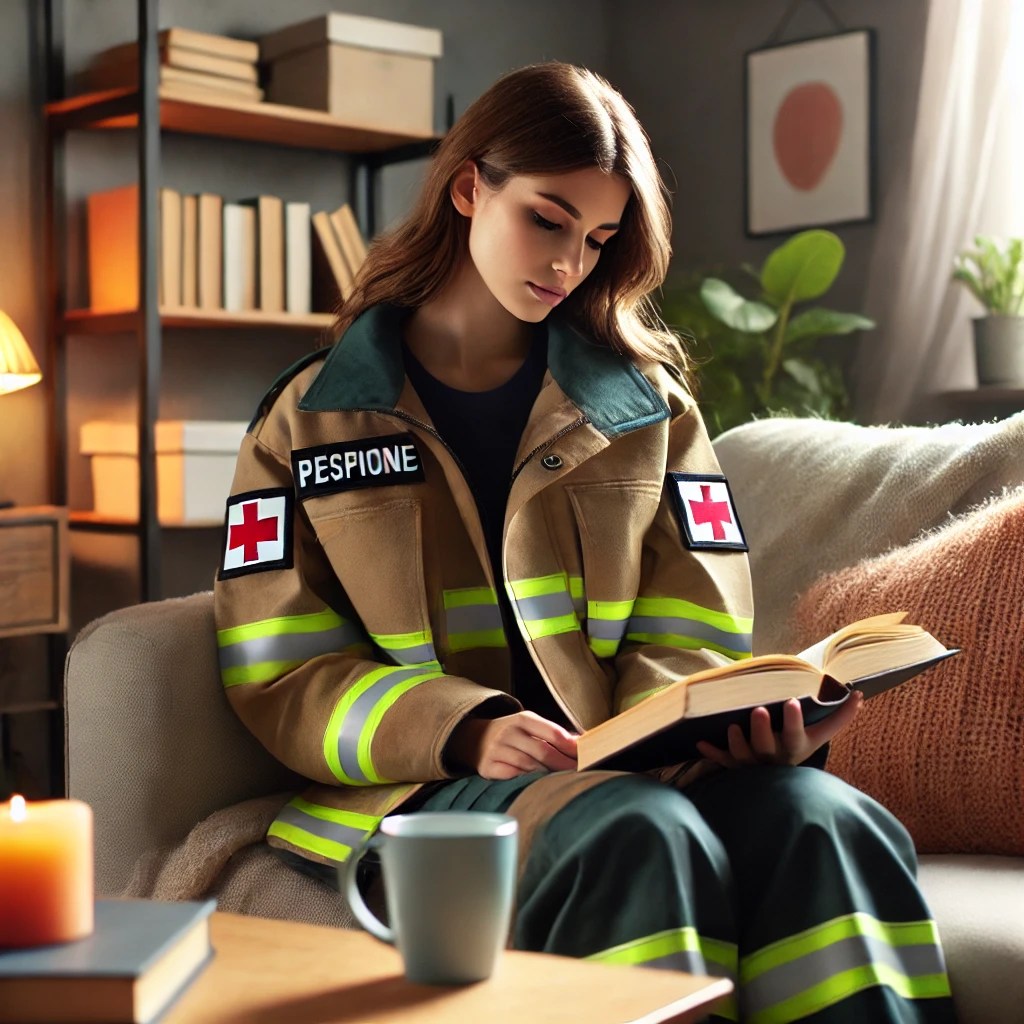
    First responders face immense stress, trauma, and emotional challenges daily. Breaking the stigma around mental health in the first responder community is critical. To support this, I’ve curated a list of books specifically designed to help first responders and their families understand and address mental health challenges. Each book is a valuable resource, with actionable insights and relatable stories that can make a difference in the lives of those who dedicate their lives to helping others.


    1. Bulletproof Spirit: The First Responder’s Essential Resource for Protecting and Healing Mind and Heart

    Author: Dan Willis
    This book is a practical guide tailored for police officers, firefighters, EMTs, and other first responders. It covers mindfulness, stress reduction techniques, and resilience-building strategies to help first responders safeguard their mental health. Dan Willis, a retired police captain, shares personal stories and proven methods to manage the emotional toll of a high-stakes career.


    2. Emotional Survival for Law Enforcement: A Guide for Officers and Their Families

    Author: Kevin M. Gilmartin
    Although written with law enforcement in mind, this book is beneficial for all first responders. Gilmartin discusses the psychological impact of serving in high-stress environments and offers tools for officers and their families to maintain emotional wellness.


    3. I Love a Fire Fighter: What the Family Needs to Know

    Author: Ellen Kirschman
    This book is a lifeline for families of firefighters, offering insights into the unique challenges of the profession. Ellen Kirschman provides compassionate advice for navigating relationships and fostering communication about mental health and emotional challenges.


    4. Processing Under Pressure: Stress, Memory, and Decision-Making in Emergency Situations

    Author: Matthew J. Sharps
    This book dives into the science of stress and decision-making during high-pressure situations. It offers actionable advice for first responders to better understand and cope with the psychological demands of their work.


    5. The Resilient 911 Dispatcher: A Comprehensive Guide to Surviving and Thriving Together in the 911 Center

    Author: Jim Marshall
    Dispatchers are often overlooked in mental health discussions. This book provides an in-depth look at the stressors faced by 911 dispatchers and offers practical strategies for resilience and stress management.


    6. Post-Traumatic Stress Disorder and the First Responder: A Comprehensive PTSD Guide for EMS, Firefighters, Police, and Dispatch

    Author: David J. Carey
    This book offers a comprehensive look at PTSD within the first responder community. Carey breaks down the signs, symptoms, and treatment options, emphasizing the importance of seeking help and breaking the stigma around mental health.


    7. Stronger: Overcoming My Struggles and Reclaiming My Strength

    Author: Jeff Bauman
    Jeff Bauman shares his journey of recovery after the Boston Marathon bombing, offering inspiration and insight into dealing with trauma and rebuilding mental strength. While not specific to first responders, this memoir resonates deeply with those who have witnessed or experienced life-altering events.


    8. The Body Keeps the Score: Brain, Mind, and Body in the Healing of Trauma

    Author: Bessel van der Kolk
    This bestselling book is a must-read for anyone dealing with trauma. Van der Kolk explains how trauma affects the body and mind and explores innovative treatments, including mindfulness, EMDR, and body-focused therapies. It’s particularly relevant for first responders working through cumulative trauma.


    9. Call for Backup: Navigating Mental Health and Wellness in Emergency Services

    Author: Shawn Thomas
    Written by a firefighter and paramedic, this book addresses mental health challenges specific to emergency responders. It offers practical tips for reducing stress, building resilience, and fostering open conversations about mental health.


    10. Meditations for First Responders: Calm Amid Chaos

    Author: Alexis C. Davis
    This book introduces mindfulness and meditation techniques tailored for first responders. It’s an excellent resource for those seeking to incorporate mindfulness into their daily routine to reduce stress and enhance focus.


    These books not only provide valuable guidance but also help normalize conversations about mental health in the first responder community. By sharing these resources, we can take a step toward breaking the stigma and ensuring that those who protect and serve receive the support they deserve.


    Feel free to share this list with colleagues, friends, or loved ones who might benefit. Do you have a favorite mental health resource for first responders? Let me know in the comments below!


  • The Need for Expanded Crisis Intervention Services in Maine and Training for First Responders

    The Need for Expanded Crisis Intervention Services in Maine and Training for First Responders

    Crisis intervention is one of the most challenging yet critical aspects of public service, especially in rural states like Maine. As a first responder and mental health advocate, I’ve seen firsthand how the gaps in crisis intervention services directly affect the well-being of individuals and communities. In a state where resources are already limited, these gaps can leave vulnerable populations without the support they desperately need during moments of crisis.

    At the same time, first responders often find themselves at the forefront of these crises, acting as the first—and sometimes only—line of support. However, without proper training in crisis intervention, many of us are left feeling unprepared to provide the level of care these situations demand.

    This blog post dives into the current state of crisis intervention services in Maine, the challenges first responders face, and why Crisis Intervention Training (CIT) is essential for improving outcomes for everyone involved.

    Limited Crisis Intervention Services in Maine

    Maine faces unique challenges when it comes to crisis services:

    1. Geographical Barriers: With vast rural areas and small towns, access to crisis services can be a logistical nightmare. Individuals in remote areas may face significant delays in receiving the help they need.
    2. Understaffed Crisis Teams: Many regions lack sufficient crisis intervention professionals, meaning teams are often overworked and unable to respond promptly to calls. Wait times for follow-up care can stretch for weeks or even months.
    3. Lack of Comprehensive Support: For many individuals experiencing a mental health crisis, emergency rooms and law enforcement become the default points of contact. These systems are not designed to provide the kind of holistic care that mental health crises often require.
    4. Stigma and Misinformation: Stigma around mental health often prevents individuals from seeking help until the situation escalates into a full-blown crisis. This further strains the limited resources available.

    The Role of First Responders in Crisis Situations

    First responders—EMS, firefighters, and law enforcement—are often the first to arrive when someone is experiencing a crisis. We are tasked with de-escalating volatile situations, ensuring safety, and providing care until further support is available. Yet, without specialized training, many of us lack the tools needed to address the mental health component of these emergencies effectively.

    The emotional toll of these encounters can also weigh heavily on first responders, leading to burnout, compassion fatigue, and mental health challenges of our own. The lack of adequate training amplifies these challenges, leaving responders feeling overwhelmed and underprepared.

    The Importance of Crisis Intervention Training (CIT)

    Crisis Intervention Training equips first responders with the skills to handle mental health crises effectively. CIT focuses on de-escalation techniques, communication strategies, and understanding the signs and symptoms of mental illness. It empowers responders to:

    • De-escalate situations without the use of force.
    • Provide immediate, compassionate care to individuals in crisis.
    • Connect those in crisis with appropriate resources, reducing the likelihood of repeated emergencies.
    • Recognize their own emotional responses to these situations, fostering resilience and mental wellness.

    States that have implemented CIT programs have seen remarkable outcomes, including reduced injuries to both responders and individuals in crisis, fewer arrests of individuals experiencing mental health emergencies, and better long-term outcomes for those individuals.

    Notable examples include:

    Tennessee

    Tennessee has developed a comprehensive statewide CIT program, emphasizing collaboration between law enforcement and mental health professionals. The program focuses on training officers to de-escalate crises and connect individuals to appropriate services, resulting in reduced arrests and improved safety.

    Namitn

    Ohio

    Ohio has established a robust CIT program with a focus on community-based responses to mental health crises. The state’s approach includes specialized training for law enforcement and strong partnerships with mental health agencies, leading to better outcomes for individuals in crisis.

    Mental Health Portland

    Maryland

    Anne Arundel County’s CIT program in Maryland has been recognized for its excellence, receiving a platinum certification from CIT International. This distinction highlights the program’s adherence to best practices in crisis intervention and its success in fostering collaboration between law enforcement and mental health services.

    CBS News

    Minnesota

    Minneapolis launched the Behavioral Crisis Response (BCR) program, dispatching unarmed mental health professionals to 911 calls involving behavioral health crises. Since its inception in 2021, BCR has responded to approximately 20,000 calls, providing timely and compassionate services, and has been praised for its effectiveness in addressing mental health emergencies.

    Wikipedia

    Oregon

    Eugene’s CAHOOTS (Crisis Assistance Helping Out On The Streets) program serves as a model for alternative crisis response. Operating since 1989, CAHOOTS dispatches teams of medics and crisis workers to respond to mental health crises, reducing the burden on police and emergency medical services. The program has inspired similar initiatives across the country.

    Wikipedia

    These examples demonstrate the effectiveness of CIT programs in enhancing responses to mental health crises through training, collaboration, and innovative approaches. Implementing similar programs can lead to better outcomes for individuals in crisis and the communities they reside in.

    A Call to Action for Maine

    To address the gaps in crisis intervention services and training, Maine needs to take action:

    1. Increase Funding for Crisis Services: This includes hiring more crisis workers, expanding mobile crisis units, and improving access to follow-up care.
    2. Mandate CIT for First Responders: Making CIT a standard part of first responder training would better prepare us for the realities of our jobs and improve outcomes for individuals in crisis.
    3. Raise Awareness: Public education campaigns can help reduce the stigma surrounding mental health and encourage individuals to seek help before crises occur.
    4. Collaborate Across Disciplines: Bringing together mental health professionals, first responders, and policymakers can foster innovative solutions tailored to Maine’s unique challenges.

    Conclusion

    The role of crisis intervention is not just about responding to emergencies—it’s about creating a system of support that prevents crises from happening in the first place. For first responders like myself, Crisis Intervention Training offers a pathway to more compassionate and effective care. For Maine, investing in crisis services and training represents a commitment to the well-being of our residents and the health of our communities.

    As a state, we have an opportunity to lead the way in creating a model of crisis response that prioritizes humanity, understanding, and resilience. Let’s rise to that challenge—together.

  • National Legislative Efforts for First Responder Mental Health: Why We Must Keep Raising Our Voices

    National Legislative Efforts for First Responder Mental Health: Why We Must Keep Raising Our Voices

    First responders are the backbone of our communities, showing up during our worst moments to protect, heal, and save lives. Yet, the toll of witnessing trauma and carrying the weight of those experiences is often overlooked. Despite the undeniable need, resources for mental health support remain inadequate. Thankfully, there are growing efforts at the national level to address these issues, but it’s up to us to ensure they don’t fall through the cracks.

    In a previous post, I discussed how first responders can engage in policy advocacy to create meaningful change. Now, let’s dive into the current legislative efforts and why your voice is crucial in pushing these initiatives forward.

    Current Legislative Efforts

    1. First Responders Wellness Act

    Introduced in July 2024 by Senators Kirsten Gillibrand (D-NY) and Josh Hawley (R-MO), this bipartisan bill proposes the creation of a grant program to enhance mental health services for first responders. It also includes the establishment of a national mental health hotline specifically for law enforcement officers, firefighters, EMTs, and others on the frontlines.

    Current Status: The bill has been referred to the Committee on the Judiciary, where it awaits further review.

    2. CARE for First Responders Act (H.R.6415)

    Introduced in the House in November 2023, this bill seeks to provide specialized mental health, substance abuse, and crisis counseling services to first responders. The aim is to address the unique challenges these professionals face, including chronic stress and burnout.

    Current Status: Referred to the Subcommittee on Economic Development, Public Buildings, and Emergency Management for further discussion.

    3. Fighting Post-Traumatic Stress Disorder Act of 2023

    Reintroduced by Senator Chuck Grassley (R-IA) in early 2023, this legislation aims to establish programs designed to help first responders cope with the long-term effects of trauma, such as PTSD and depression.

    Current Status: Under consideration, with ongoing discussions about how to best implement and fund these programs.

    The Alarming Reality: Suicide Rates Among First Responders

    The mental health challenges faced by first responders are profound, with suicide rates notably higher than those of the general population. A study by the U.S. Fire Administration analyzing data from 2015 to 2017 found that first responders accounted for 1% of all suicides during that period. Within this group, 58% were law enforcement officers, 21% were firefighters, 18% were EMS providers, and 2% were public safety telecommunicators.

    Further research indicates that 37% of fire and EMS professionals have contemplated suicide, a rate nearly ten times higher than that of American adults. A 2018 white paper by the Ruderman Family Foundation revealed that police officers and firefighters are more likely to die by suicide than in the line of duty.

    These statistics underscore the urgent need for comprehensive mental health support tailored to the unique challenges faced by first responders.

    The Need for Continued Advocacy

    Legislative efforts like these are an incredible step forward, but they can’t stop here. Bills like the First Responders Wellness Act and the CARE for First Responders Act are only the beginning. To make real change, we need to ensure these efforts are not only passed but also expanded upon and adequately funded.

    Mental health is not a luxury—it’s a necessity for the longevity and well-being of the people who protect us. Without proper support, first responders face increased risks of burnout, PTSD, depression, substance use, and even suicide.

    What Can We Do?

    As I’ve shared before, first responders have a unique and powerful voice in policy advocacy. Here’s how we can ensure these bills move forward and inspire further action:

    1. Contact Your Representatives

    Share your story and explain why these bills matter. Personal accounts from first responders carry immense weight in demonstrating the need for change.

    2. Raise Awareness

    Use your platform, whether it’s social media, local meetings, or community events, to inform others about these legislative efforts.

    3. Collaborate

    Partner with advocacy organizations focused on first responder mental health. Groups like the National Alliance on Mental Illness (NAMI) and local firefighter and EMS unions are often at the forefront of these battles.

    4. Stay Engaged

    Track the progress of these bills and hold your representatives accountable. If progress stalls, follow up.

    A Call to Action

    The time for action is now. Legislative momentum can waver without visible public support. It’s up to us to keep the conversation alive, push for better mental health resources, and ensure that the government invests in the well-being of first responders.

    We must continue to demand more—not just for the passage of these bills, but for the expansion and funding of mental health initiatives across the board. When we advocate for ourselves and our peers, we create a safer, healthier future for everyone.

    Let’s raise our voices together and ensure that these critical efforts become law. The well-being of our first responders depends on it.

    If you’re unsure where to start with policy advocacy, check out my previous post on how first responders can get involved. Let’s make our voices heard!

  • How to Use Trauma-Informed Dialogue to Support Someone Who’s Struggling

    How to Use Trauma-Informed Dialogue to Support Someone Who’s Struggling

    When someone you care about—whether a friend, family member, colleague, or fellow first responder—is struggling, your words and approach can make a huge difference. Trauma-informed dialogue focuses on creating a safe, nonjudgmental space where they feel heard, supported, and understood. Here’s how to implement this compassionate approach:

    1. Prioritize Safety and Trust

    • Start with empathy: Begin by acknowledging their struggle without judgment or assumptions. For example:

    “I’ve noticed you seem a bit off lately, and I wanted to check in. How are you doing?”

    • Be consistent and reliable: Show up when you say you will, listen without interruption, and maintain confidentiality to build trust.

    2. Use Nonjudgmental Language

    • Avoid blame or shaming statements like, “You’re overreacting” or “Why can’t you just let it go?”

    • Instead, try: “That sounds really difficult. I can understand why you’d feel that way.”

    • Remember, trauma responses aren’t about being “weak” but are the brain’s way of coping with overwhelming stress.

    3. Practice Active Listening

    • Give them space to speak: Sometimes, they need to process their thoughts out loud. Avoid jumping in with advice right away.

    • Reflect what you hear to show understanding:

    “It sounds like you’re feeling overwhelmed and unsure where to start. That makes a lot of sense.”

    4. Avoid Triggers

    • Trauma can make certain words, tones, or topics feel threatening. Pay attention to their body language and emotional cues.

    • If they seem agitated or withdrawn, adjust your approach. Use calm, reassuring tones and focus on the present moment.

    5. Focus on Empowerment, Not Fixing

    • Instead of saying, “You should…” or “Here’s what you need to do…”, try asking:

    “What do you think would help right now?”

    • Validate their strengths: “I know this is hard, but I’m amazed by how strong you’ve been through everything.”

    6. Know When to Step Back and Offer Resources

    • If their struggles are beyond what you can handle, gently suggest professional support:

    “I’m here for you, but I wonder if talking to someone like a counselor or therapist might help. I can help you find someone if you’d like.”

    • Offer resources without pressure, such as crisis lines, peer support groups, or wellness programs.

    7. Follow Up

    • Support isn’t a one-time conversation. Check in periodically:

    “I’ve been thinking about you. How have things been going?”

    • Even small, consistent actions—like sending a thoughtful text—show that you care.

    Why It Matters for First Responders

    First responders often face unique challenges, including cumulative stress and exposure to traumatic events. Trauma-informed dialogue acknowledges these pressures without minimizing them. It’s about saying, “I see you, I hear you, and I’m here for you,” in a way that respects their experience and humanity.

    By using trauma-informed dialogue, you’re not just helping someone feel supported—you’re creating a foundation for trust, healing, and resilience. Together, we can break down the stigma around seeking help and foster a culture of compassion and understanding.

    You’re never alone in this journey. Let’s make sure no one else feels they are, either.

    Still feeling lost? Here is a sample conversation that puts trauma informed dialogue into practice…

    Scenario: Two EMTs, Chris and Taylor, are chatting after a shift. Chris has noticed Taylor has been quieter than usual and seems stressed.

    Opening the Conversation

    Chris:

    “Hey Taylor, you’ve seemed a bit off the last few shifts. Everything okay?”

    Taylor:

    “Yeah, I’m fine. Just tired, I guess.”

    Chris:

    “I get that—this job takes it out of you. But I don’t know, it seems like more than just being tired. I’m here if you want to talk.”

    Acknowledging and Validating

    Taylor:

    “I don’t know, man. It’s just been a lot lately. That call last week with the kid… I can’t stop thinking about it.”

    Chris:

    “Yeah, that was a tough one. Those kinds of calls stick with you. It’s completely normal to feel like this.”

    Taylor:

    “I keep wondering if we missed something, you know? Like, what if there was something more we could have done?”

    Chris:

    “That’s a heavy weight to carry. I’ve felt like that before too—second-guessing everything. But from what I saw, you did everything you could. That kid had the best chance because of you.”

    Using Active Listening

    Taylor:

    “I know you’re probably right, but it just doesn’t feel that way. And then every time I try to sleep, it’s like I’m back on that call.”

    Chris:

    “That sounds rough. Not being able to shake it and having it mess with your sleep—it’s no wonder you’re feeling drained. It makes sense that this would be sticking with you.”

    Taylor:

    “Yeah. And I can’t really talk about it at home. It doesn’t feel right to bring that stuff home, to talk about something like that with my wife who doesn’t need that image in her head too.”

    Chris:

    “That’s tough, I know the feeling. But you can always talk to me. You don’t have to carry this alone.”

    Focusing on Empowerment

    Chris:

    “Have you thought about what might help you feel a little better? Sometimes talking to someone outside of work, like a counselor, can help sort through all of this.”

    Taylor:

    “I don’t know. I’ve never done that before. Feels kind of… weak, you know?”

    Chris:

    “Trust me, I’ve been there. I thought the same thing, but talking to someone helped me work through stuff I didn’t even know was weighing me down. It’s not about being weak—it’s about taking care of yourself so you can keep doing this job.”

    Offering Support

    Chris:

    “If you want, I can help you find someone to talk to. I know a few resources that specialize in first responders. No pressure, just an option.”

    Taylor:

    “Yeah, maybe. I’ll think about it.”

    Chris:

    “That’s all I ask. In the meantime, let me know if you want to grab coffee or vent about anything. There’s also a support group I go to sometimes, once a month, if you’d ever want to go with me. No matter what, I’ve got your back.”

    Taylor:

    “Thanks, Chris. I appreciate it. It would be nice to grab coffee outside of work sometime, and let me know when that group is. I’ll give anything a try at this point.”

    This example highlights trauma-informed dialogue by creating a safe space, validating feelings, avoiding judgment, and empowering the struggling colleague to consider next steps. It’s a realistic approach to starting meaningful conversations about mental health in the workplace.

    If you’re unsure of how to start a conversation with someone who is struggling, reach out to mindovermayday@gmail.com and you will receive personalized advice compiled by myself and my own mentors. Note: we are not licensed therapists or counselors, just fellow first responders on a mission to help other first responders in crisis.

  • Using TIPP to Manage Emotional Distress After Traumatic Calls

    Using TIPP to Manage Emotional Distress After Traumatic Calls

    First responders often face high-stress, emotionally taxing situations that can lead to overwhelming emotions after a traumatic call. TIPP (Temperature, Intense exercise, Paced breathing, Progressive relaxation) provides actionable strategies to manage these feelings effectively. These practices have each helped me tremendously after intense or traumatizing calls. Here’s how first responders can use each component:

    T – Temperature: Cool Your System

    Trauma can cause your body to go into fight-or-flight mode, escalating emotional intensity. Using cold temperatures can help calm your nervous system.

    • How to Apply:

    • Splash cold water on your face or hold an ice pack against your cheeks for 30 seconds.

    • Use cold compresses on your neck or wrists.

    • If accessible, step into a cooler environment (e.g., an air-conditioned space).

    • Why it Works:

    Cooling your body activates the mammalian dive reflex, which slows your heart rate and reduces stress.

    I – Intense Exercise: Burn Off Energy

    After a traumatic call, adrenaline and cortisol levels spike, leading to physical restlessness and emotional overwhelm. Intense exercise provides a healthy outlet.

    • How to Apply:

    • Do 30-60 seconds of jumping jacks, push-ups, or sprinting.

    • Engage in vigorous activities like running stairs or shadowboxing.

    • If at your station, consider using available equipment like kettlebells or a treadmill.

    • Why it Works:

    Intense movement burns off excess stress hormones, re-regulating your body and mind.

    P – Paced Breathing: Reclaim Control

    Hyperventilation often accompanies emotional distress. Paced breathing counters this by slowing your breath and calming your body.

    • How to Apply:

    • Inhale deeply through your nose for 4 seconds.

    • Hold your breath for 4 seconds.

    • Exhale slowly through your mouth for 6-8 seconds.

    • Repeat this pattern for 1-2 minutes.

    • Why it Works:

    Deliberate breathing engages the parasympathetic nervous system, helping reduce feelings of panic or overwhelm.

    P – Progressive Muscle Relaxation: Release Tension

    Trauma often causes physical tension. Progressive relaxation helps release that tension and refocus your mind.

    • How to Apply:

    • Start with your toes: tense the muscles tightly for 5-10 seconds, then release.

    • Gradually work upwards through your legs, torso, arms, and face.

    • Pair this exercise with deep, slow breathing for added relaxation.

    • Why it Works:

    This technique reduces physical tension associated with stress and anchors you in the present moment.

    When to Use TIPP

    First responders can use TIPP immediately after a traumatic call, during a quiet moment at the station, or at home when distress surfaces. These techniques are portable, require no special tools, and work quickly to lower emotional intensity.

    By incorporating TIPP into self-care routines, first responders can process trauma effectively, reduce emotional overload, and maintain mental well-being. Remember, seeking additional support from peers or mental health professionals is always encouraged.

  • How to Use the 5 Blinks Method to Overcome Intrusive Traumatic Images

    How to Use the 5 Blinks Method to Overcome Intrusive Traumatic Images

    Intrusive images and flashbacks can feel overwhelming and disorienting, but the 5 Blinks Method is a quick and effective technique to regain control of your mind and focus on the present. This simple practice uses a combination of grounding and mindfulness to help redirect your attention and soothe your nervous system. This technique was introduced to me by a licensed therapist, and has been extremely helpful for me when I’ve dealt with traumatic calls and scenes, both in the field and in the hospital.

    Step-by-Step Guide to the 5 Blinks Method

    1. Identify the Intrusive Image

    • When you notice an intrusive image or memory, acknowledge it without judgment.

    • Say to yourself: “This is just a thought, not my reality right now.”

    2. Take a Deep Breath

    • Inhale deeply through your nose for 4 seconds, hold for 4 seconds, and exhale slowly through your mouth for 6 seconds.

    • This activates the parasympathetic nervous system to help you calm down.

    3. Blink Five Times Slowly

    • Blink deliberately and slowly five times.

    • Each blink acts as a symbolic “reset” for your brain, helping to break the cycle of intrusive thoughts.

    4. Visualize Sending the Image Away

    • Close your eyes.

    • Imagine the intrusive image as a photograph, or a film reel- an object or something tangible.

    • Now imagine a box big enough to fit the image-object.

    • Visualize placing the image-object into the box and sending that box as far away in your mind as possible, watching it get smaller and smaller, until it completely disappears in the distance.

    Take a deep breath

    5. Blink Five Times Slowly

    • Blink deliberately and slowly five times.

    • Repeat a grounding statement or positive affirmation to yourself, such as:

    • “I am here in this moment.”

    • “I did everything I could.”

    • “Life happens on life’s terms.”

    6. Ground Yourself in the Present Moment

    • With your eyes open, identify five things you can see.

    • Say them out loud or in your mind.

    7. Move a Muscle, Change a Thought

    • Find something that you can focus your entire attention on- something physical such as going for a walk outside, cleaning something, or opt for a quick workout. Physical activity has a number of benefits, including grounding yourself in your body, releasing endorphins, and even boosting serotonin.

    • Other mind-consuming activities can help too- like playing a game on your phone, having a conversation with someone, or watching an interesting show or movie.

    8. Repeat as Many Times as Needed

    • If the image is resistant and continues to intrude, repeat steps 1-6 as many times as needed, while still trying to find something you can completely and mindfully focus on.

    Additional Tips for Success

    Practice Regularly: The more you use the 5 Blinks Method, the quicker your brain will recognize it as a tool to refocus.

    Pair with Deep Breathing: Combining the method with paced breathing enhances its calming effect.

    Use a Support Object: Hold a grounding object, like a smooth stone, while practicing. (I use a short piece of thin rope that has a knot tied on one end- because when you get to the end of your rope, you tie a knot and hold on!)

    Other Distress Tolerance Techniques to Explore

    The 5 Blinks Method is just one of many strategies to manage distress and intrusive thoughts. Stay tuned for future posts where we’ll explore other effective techniques:

    1. TIPP Skills – Using temperature, intense exercise, paced breathing, and paired muscle relaxation to lower emotional intensity.

    2. Grounding Techniques – Detailed practices like the 5-4-3-2-1 method and body scans.

    3. Opposite Action – Redirecting overwhelming emotions by taking an action opposite to the urge.

    4. Distraction Toolkit – Creating a personalized box or bag of items and activities to help refocus during moments of distress.

    5. Mindful Visualization – Replacing intrusive images with a safe or peaceful mental scene.

    Final Thoughts

    The 5 Blinks Method is a powerful, portable tool to help you navigate intrusive traumatic images. It works by engaging your senses and redirecting your focus, allowing you to move forward without being stuck in the past. Remember, it’s okay to seek additional support from a trusted counselor or peer support group as you work through these challenges.

    You’ve got this—one breath at a time.

  • Finding Peace in the Wild: How Nature Became My Mental Health Sanctuary

    Finding Peace in the Wild: How Nature Became My Mental Health Sanctuary

    As first responders, we often find ourselves living in the fast lane, constantly on alert, managing crises, and navigating high-pressure situations that demand our focus, skill, and resilience. In the midst of this chaotic work life, I have found that one of the most essential tools in managing stress and maintaining my mental health has been connecting with nature.

    My journey to finding peace in the wild didn’t happen overnight, but as I’ve experienced the therapeutic power of the natural world, it has become an integral part of my self-care routine—something I actively seek out for restoration, clarity, and healing. Whether it’s a short walk along a river or an extended camping trip in the woods, these moments in nature have become my sanctuary, offering a sense of grounding that helps me process the emotional toll of my EMS career.

    Outdoor Experiences That Provide Peace and Clarity

    One of the most accessible places for me when time is short is the Androscoggin Riverwalk, in Lewiston-Auburn, and the Bragdon Hill Conservation area in Poland, ME. I’ve found that even a brief walk along the riverbanks or forest offers a mental reset, allowing me to pause and absorb the sights and sounds of the flowing water and wildlife. There’s something calming about the rhythm of the river, or a narrow trail, and it provides me with the space to let go of the stresses of the day.

    When I have more time, I often head to Mount Apatite or Streaked Mountain for a quick hike. The physical activity combined with the natural beauty of the forest helps to clear my mind and refresh my body. Hiking is a great way to disconnect from the noise of everyday life and connect with something much bigger than myself.

    For days when I need a longer getaway, I take a drive to the ocean, where the salty air and waves crashing against the rocks create the perfect environment for reflection. Fort Williams Park, in particular, is a favorite destination of mine. The trails are scenic and lead me to a rocky beach where I can listen to the waves tumbling over the stones. The sound is unlike anything else—it’s soothing, like nature’s own meditation.

    Screw Auger Falls in Newry, Maine, and the areas around the University of Southern Maine in Portland are other spots that I treasure, especially when I want to explore new places for creative inspiration, such as finding seaglass. These small treasures serve as a reminder that, even in the chaos of life, beauty can be found in the simplest moments.

    Technology-Free Camping for Deep Restoration

    When I’m able to get away for a longer stretch of time, there’s nothing more restorative than technology-free camping in the areas surrounding Rangeley, Maine. With no cell service, I am fully immersed in the natural world—no distractions, no screens. It’s just me, the sounds of the forest, and the peaceful serenity of being completely present.

    Some of my favorite activities during these camping trips include campfire meditations, kayak fishing, and paddleboarding. There’s something about being on the water, surrounded by quiet, that allows me to truly connect with myself. Whether I’m sitting quietly by a lake, a trickling stream, or gazing out at the ocean, these moments allow me to reflect and breathe deeply.

    Using Nature for Meditation

    Nature has become key to my meditation practice. The external sounds of the forest, the river, or the ocean provide a natural backdrop that helps me center my thoughts and focus. I use the sounds of birds chirping, water flowing, or waves crashing to quiet my mind and ground myself in the present. These moments of stillness in nature give me the mental space to process the trauma and stress of my job, while also reminding me of the peace that exists outside of the chaos.

    When I can’t physically be in nature, I’ve found solace in guided meditations with nature sounds or handpan music. Some of my favorite guided meditations can be found on YouTube, and I highly recommend them for anyone seeking a moment of calm. Here are a few of my go-to meditations:

    Tips for First Responders: Using Nature as a Healing Space

    If you’re a first responder like me, nature can be one of the most powerful tools for managing stress and enhancing mental health. Here are a few tips on how to incorporate nature into your healing routine:

    1. Start Small: If you’re pressed for time, a short walk in a local park or along a riverbank can offer a quick mental reset. Even five minutes can help clear your mind and alleviate stress.
    2. Make It a Habit: Schedule regular outings to nature, whether it’s a weekly hike, a monthly camping trip, or even a daily walk. Consistency helps train your mind to relax and find peace in nature’s rhythms.
    3. Embrace Technology-Free Time: Turn off your phone and leave your digital devices behind. Technology-free moments in nature help you focus on the present and disconnect from external pressures.
    4. Practice Nature-Based Meditation: Use the sounds of nature to guide your meditation practice. If you can’t get outside, seek out guided meditations that feature natural sounds like water flowing, wind blowing, or birds chirping.
    5. Engage in Outdoor Activities: Whether it’s hiking, kayaking, or simply sitting quietly by a stream, engaging in outdoor activities can provide both physical and mental restoration. Find what brings you peace and make time for it.

    Nature has become a sanctuary for me—a space where I can breathe, reflect, and find clarity. It offers a moment of respite from the chaos of my EMS career and provides the mental and emotional restoration I need to continue my work. As first responders, we give so much of ourselves to others, but we must also prioritize our own well-being. Nature has taught me that healing is possible when we take time to reconnect with the world around us, and I hope it can offer the same sense of peace and restoration to you.

  • The Legacies We Leave: Building a Safer, More Peaceful World

    The Legacies We Leave: Building a Safer, More Peaceful World

    When I think about the legacy I hope to leave, my heart is drawn to the idea of creating a safer, more peaceful world. I’ve always wanted to make a difference, not just in my community, but on a larger scale. It’s something that has been deeply rooted in my heart since I became a mother.

    When my son Henry was younger, he was obsessed with Paw Patrol—a show about pups that go on rescue missions, always there to help keep their community safe. I remember watching him light up as the characters worked together to solve problems and protect others. And in those moments, I realized that I wanted to be my son’s real-life “Paw Patrol” hero. It wasn’t just about being there for him; it was about showing him that there’s strength in service and that anyone, regardless of gender or background, can make a meaningful impact.

    As a female in the male-dominated world of first responders, I hope to inspire my daughter, Alice, to see that there are no limits to what she can accomplish. I want her to grow up knowing that the world is full of possibilities, and that she can break down any barriers she encounters on her own path.

    I’ve always felt a calling to give back to the field that has saved my life countless times. My work as an EMT and firefighter isn’t just about responding to emergencies—it’s about serving others during their darkest moments. Whether I’m helping a patient in crisis or supporting someone in the recovery community, I want my actions to make a difference.

    The tragedy of 9/11 was a pivotal moment for me as a young child, one that introduced my passion for community service and the role of emergency responders. In the aftermath of those attacks, I watched in awe as our nation came together—across all levels, classes, and cultures—in a show of unity and compassion. That moment solidified my belief in the power of community and service.

    Mister Rogers is famously quoted, saying the following, “When I was a boy and I would see scary things in the news, my mother would say to me, “Look for the helpers. You will always find people who are helping.”

    Before joining the first responder community, I studied policy in college with a focus on global issues. But I soon became disillusioned by the political divisions I witnessed when I worked in Washington, D.C. I wanted to be part of something that united people, that focused on service above all else. I realized that the work I do on the ground, directly helping people, is where real change happens. Each word I say to a patient in crisis could help them heal, process their emotions, or simply hold on for another moment. And every step I take in the recovery community could encourage someone to stay sober, to keep fighting for their own life.

    Starting this blog is another step in my journey. My hope is to create a space for open-mindedness and vulnerability, where we can talk about the challenges we face as healthcare professionals and first responders. I want to inspire others to reach out when they’re struggling, to be brave enough to ask for help, and to build a community that supports one another through our trauma and challenges.

    Our 911 system is under more pressure than ever before. Personnel are stretched thin, burnout is a constant threat, and mental health services for first responders are often underfunded or inadequate. But the more we advocate for better support systems, the stronger our community becomes. By nurturing the newer generation of first responders, we create a safer environment not just for ourselves, but for the families and communities we serve. This is the legacy I want to leave: a world where future generations grow up in a safer, more compassionate environment, and a community where we support one another—every single day.

  • The Healing Power of Being Vulnerable

    The Healing Power of Being Vulnerable

    As first responders, we are often taught to be strong and unwavering in the face of chaos. We are trained to handle the worst moments in people’s lives, keeping our composure when the pressure is on. While this strength is vital in our line of work, it can sometimes lead us to neglect a powerful tool for healing: vulnerability.

    For many of us in high-stress professions like EMS, it’s easy to think that showing vulnerability is a sign of weakness. We may fear that revealing our struggles or sharing our emotions might jeopardize our professional reputation or the trust others place in us. But here’s the truth: vulnerability is not a weakness; it is a profound strength that allows for growth, connection, and healing.

    The Strength in Vulnerability

    Vulnerability doesn’t mean being weak or incapable—it’s about being open and honest with ourselves and others about our challenges. It means acknowledging that we are human and that we face emotional, physical, and mental struggles, even in a job that requires us to be “on” all the time.

    I’ve had my own experiences with vulnerability. In my journey, I’ve learned that the moments when I have been open about my own mental health struggles, my fears, and my insecurities are the moments when I’ve experienced the most growth. It’s when I allowed myself to be vulnerable—whether by talking to a trusted colleague, a mentor, or even writing down my thoughts on my blog—that healing began to take place.

    Unfortunately, not everyone in this field is encouraged to embrace vulnerability. I’ve witnessed many colleagues shrug off their experiences, adopting the mindset that showing any sign of weakness is unacceptable. Too often, people turn to substances like alcohol to numb their emotions instead of opening up to others. The pressure to “tough it out” can create a toxic environment where the mentality becomes, “If you can’t stand the heat, stay out of the field.”

    This environment not only inhibits personal growth but also perpetuates a cycle of isolation and self-destruction. When vulnerability is seen as a weakness, it becomes harder for people to reach out for help when they need it the most. I’ve seen this firsthand—the silent struggles that so many face because they fear being judged or misunderstood.

    Healing Through Connection

    One of the most powerful aspects of vulnerability is how it fosters connection. When we allow ourselves to be vulnerable, we invite others to do the same. This mutual openness can be transformative.

    Throughout my career, I’ve been fortunate to find trusted peers and mentors who are always there for me when I need them. These are the people who have shown me that there is strength in vulnerability, and that we don’t have to carry our burdens alone. I know that when I pick up the phone to call, they’ll be on the other end of the line, ready to listen and offer support.

    Surprisingly, many people are more open to talking through our struggles, and sharing their own experiences than we might think. The truth is, people would rather drive many miles, talk for hours, and offer their support than have to attend your funeral. This kind of connection is not only meaningful—it’s lifesaving.

    In my journey, I’ve learned that the power of a simple conversation cannot be underestimated. Sometimes, all it takes is someone else’s willingness to listen and share their own experiences to make us feel seen and understood. We heal when we come together, when we recognize that we are part of a larger family, and that our struggles are shared.

    Embracing Vulnerability to Build Resilience

    I’ve learned that resilience isn’t about pushing through in silence or pretending everything is fine when it’s not. True resilience is rooted in vulnerability—the ability to admit when we’re struggling and to seek the support we need. It’s about understanding that strength comes not from being invulnerable, but from facing our difficulties head-on and allowing ourselves to be supported by others.

    By embracing vulnerability, we can begin to unravel the layers of stress and trauma that come with our work. We can break free from the mindset that we have to handle everything alone and start recognizing that seeking help, sharing our emotions, and expressing our struggles makes us stronger, not weaker. When we embrace vulnerability, we not only improve our mental health but also deepen our connection with our colleagues and loved ones.

    Encouraging Others to Be Vulnerable

    If you’re reading this and finding it hard to imagine being open about your struggles, know that you’re not alone. It’s okay to take the first step toward vulnerability. You don’t have to do it all at once, but start with small moments of openness. Share your thoughts with a colleague you trust, talk to a therapist, or simply give yourself permission to feel without judgment.

    Remember, being vulnerable is not a sign of weakness. It’s an act of courage. By allowing ourselves to be seen, to share our emotions, and to seek support, we pave the way for healing and growth—not just for ourselves but for the entire first responder community.

    We are in this together. And together, we will heal.

  • Honoring Our Fallen: How to Cope with the Loss of a Colleague

    Honoring Our Fallen: How to Cope with the Loss of a Colleague

    Losing a colleague in the line of duty is one of the most painful and difficult experiences any first responder can face. Whether the loss is sudden or after a long battle, the weight of grief is a burden that we often carry silently, never fully knowing how to process the emotions that arise. As someone who has attended several memorials and funerals for fallen EMS professionals and firefighters, I want to share my personal experiences and offer advice on how we can cope with the loss of a colleague, while continuing to honor their memory and legacy.

    My First Experience: The Funeral of Sawyer Coleman

    My journey into understanding grief within the first responder community began with the funeral of Sawyer Coleman, a talented EMS professional and firefighter who tragically took his own life. He had worked his way from a Basic EMT to a Paramedic, eventually becoming a Registered Nurse and even instructing at the United Training Center. It was at this funeral that I truly understood the weight of our profession’s losses.

    What struck me the most that day was hearing Sawyer’s son speak about his father. He described an incredible man who inspired so many, not just through his work, but through the love and care he showed to his family and colleagues. This was a man who had a profound impact on so many lives, yet his internal struggles were hidden from view. Sawyer’s death affected the entire EMS community, and the ripples of that action could be felt far and wide.

    That funeral was not just a ceremony for remembering a fallen colleague; it was a wake-up call for all of us. It made me realize how important it is to honor our fallen brothers and sisters, and how crucial it is to address the mental health struggles that so many in our community face.

    Joining the Maine EMS Honor Guard

    The gravity of Sawyer’s funeral inspired me to join the Maine EMS Honor Guard. It was my way of showing respect and solidarity with those who had given their lives in service to others. The first funeral I attended as a member of the Honor Guard was that of Scott Latulippe, a paramedic who, like Sawyer, took his own life after a long battle with his mental health. Scott’s death, and the fact that he had reached out for help through the Employee Assistance Program (EAP) but could not find the support he needed, deeply saddened me.

    Scott’s wife, Julie Latulippe, has become an advocate for mental health within the first responder community. She has led the charge in the state of Maine to create “Clubhouse” meetings, where first responders can gather to discuss their experiences and the gaps in mental health support services. Julie’s work is a shining example of how we can turn our grief into action and fight for the changes that need to be made in our industry.

    Processing Grief in the First Responder Community

    Grief can affect us in different ways. Some may find purpose in loss, using it as a catalyst to fight for causes that matter, such as better mental health resources for first responders. Others may turn to their colleagues, community, or faith for comfort and support. But there are those of us who struggle with depression, despair, and a sense of hopelessness, especially when proper outlets for grief are not readily available.

    It is critical that we break the stigma surrounding mental health within our profession. We must create an environment where it’s okay to talk about trauma, mental health, and our struggles without fear of judgment. This begins by supporting each other, being there for our colleagues, and acknowledging that grief, though difficult, is part of our healing process.

    The Stages of Grief and How to Work Through Them

    Grief is a deeply personal experience, but there are common stages that many of us will go through when processing the loss of a colleague. Understanding these stages can help us recognize where we are in our own grief process and provide methods for coping with each stage.

    1. Denial
      It’s hard to believe that someone we worked alongside is truly gone.
      Coping Mechanism: Acknowledge the feelings of disbelief and talk to someone who understands your profession. Writing down your emotions or even attending a memorial service can help you process the reality of the loss.
    2. Anger
      We may feel angry at the circumstances, at the person for leaving us, or even at ourselves for not seeing the signs.
      Coping Mechanism: Channel your anger into something constructive, such as advocating for mental health awareness, or find a physical outlet like exercise or journaling to express your feelings.
    3. Bargaining
      We might ask ourselves if there was anything we could have done to prevent the loss.
      Coping Mechanism: Accept that you did your best. Seek out peer support or professional counseling to process the “what-ifs” and let go of guilt.
    4. Depression
      The reality of the loss hits us hard, and we may feel sadness or despair.
      Coping Mechanism: It’s important to not isolate yourself. Reach out to trusted colleagues or friends who understand the unique nature of your grief. Seeking professional counseling can also provide a safe space to work through depression.
    5. Acceptance
      Eventually, we come to terms with the loss and find a way to continue living our lives, honoring the memory of our colleagues.
      Coping Mechanism: Focus on ways you can honor their legacy, whether it’s through volunteering, advocacy, or simply remembering the impact they had on others.

    Helpful Resources for First Responders

    For those of us who are struggling to cope with grief, there are books that can help guide us through the process. Here are a few recommendations:

    1. “The First Responder’s Guide to Coping with Death” by Jeff Mitchell
    2. “Resilience: Hard-Won Wisdom for Living a Better Life” by Eric Greitens
    3. “The Healing Power of Grief: A Guide for First Responders” by Robert J. Wicks

    Conclusion: Finding Strength in Grief

    The loss of a colleague is never easy, but it is through our collective grief that we can find strength. By honoring our fallen brothers and sisters, supporting each other, and breaking the stigma around mental health, we can ensure that their legacy lives on. It is crucial that we continue to have conversations about mental health, seek support when needed, and be there for our colleagues in their time of need.

    Remember, we are not alone in this journey. As first responders, we are a community, and together, we will heal. Let us continue to honor those we have lost and work towards a future where no one has to suffer in silence.

    In the end, our strength is found in each other. Together, we rise.

    For more information on the statewide “Clubhouse” meetings, or to join the email list, go to the Contact Me page, and get in touch.