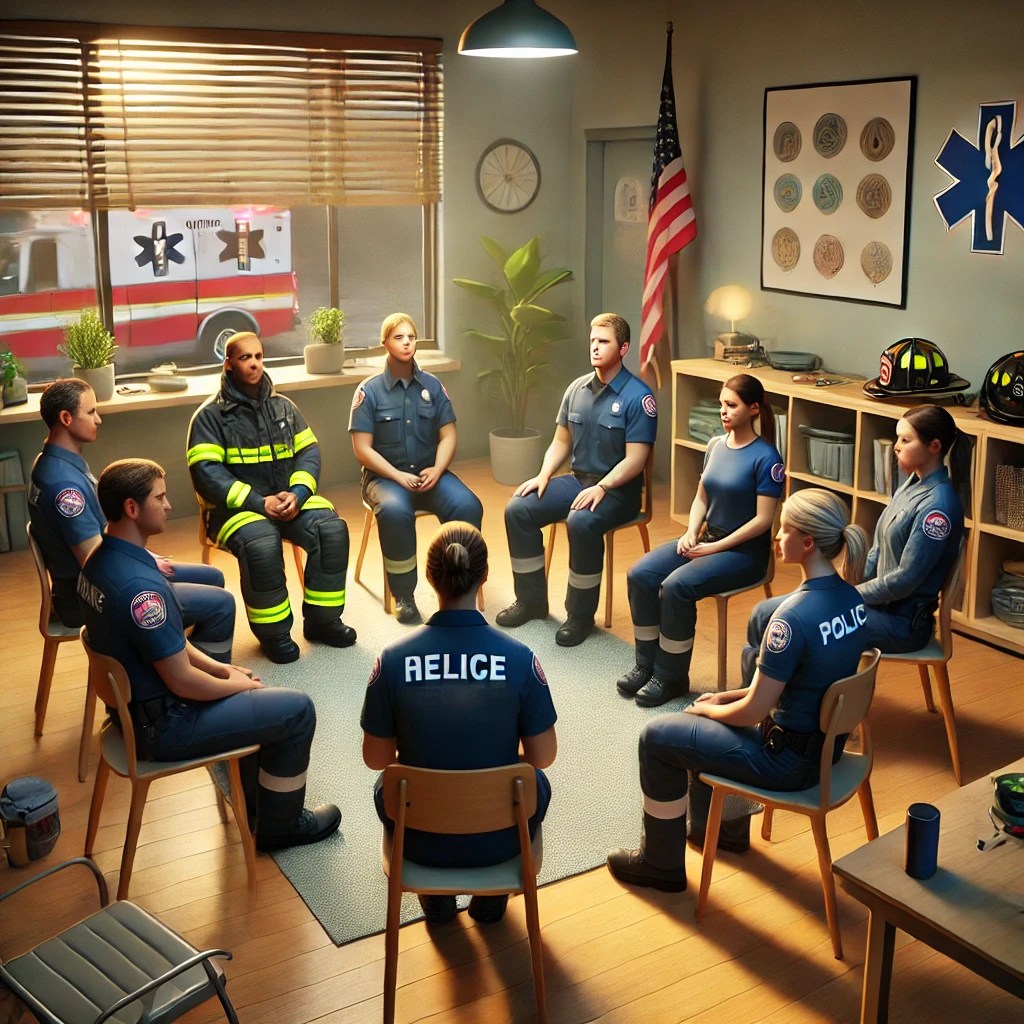
In the fast-paced, high-stakes world of first responders, stress and trauma are often part of the job description. Police officers, firefighters, paramedics, and emergency medical technicians regularly encounter chaotic, high-pressure situations that require calm, focused decision-making. Over time, this constant exposure to stress can take a toll, leading to burnout, anxiety, and emotional exhaustion.
One powerful tool that can be practiced among first responders is mindfulness. This ancient practice, rooted in being present in the moment without judgment, offers a practical, effective way to manage stress, enhance emotional resilience, and improve focus—even in the most challenging environments.
What Is Mindfulness?
Mindfulness is the practice of intentionally focusing on the present moment with an attitude of openness and acceptance. It involves paying attention to your thoughts, emotions, and physical sensations without getting caught up in them. While mindfulness is often associated with meditation, it encompasses a variety of techniques, such as deep breathing, body scanning, and grounding exercises, that can be easily incorporated into daily life.
For first responders, mindfulness is more than a wellness trend; it’s a survival tool. The ability to stay present, calm, and collected in the face of chaos can mean the difference between a successful outcome and a critical mistake.
The Science Behind Mindfulness for First Responders
Numerous studies have shown that mindfulness can significantly reduce stress, anxiety, and symptoms of PTSD, while also improving focus and decision-making under pressure. For first responders, these benefits are particularly impactful:
- Reducing Burnout: Mindfulness helps mitigate the emotional exhaustion and depersonalization that often accompany burnout, allowing first responders to remain engaged and compassionate in their roles.
- Lowering Anxiety: Techniques like deep breathing and grounding can activate the parasympathetic nervous system, reducing the fight-or-flight response during high-stress calls.
- Improving Focus: By training the brain to focus on the present moment, mindfulness enhances situational awareness and decision-making, both of which being critical skills in emergency scenarios.
A 2016 study published in The Journal of Occupational Health Psychology found that police officers who practiced mindfulness experienced lower levels of perceived stress and fewer symptoms of burnout. Similarly, a program designed for paramedics showed that mindfulness reduced their anxiety levels and improved their ability to manage complex situations effectively.
Mindfulness in Action: Real-Life Examples
For first responders, mindfulness isn’t about sitting cross-legged in a serene room—it’s about staying grounded when everything around you is in disarray. Here are a few examples of how mindfulness has helped first responders on the job:
- Deep Breathing Technique: During a cardiac arrest call, a paramedic can utilize controlled deep breathing to calm their nerves as they prepare to intubate a patient. By focusing on the breath for just a few moments, they can reduce their heart rate and steady their hands, leading to a successful procedure.
- Grounding Practice: While responding to a volatile domestic dispute, a police officer can use a grounding technique—mentally listing five things they could see, four things they could touch, three things they could hear, two things they could smell, and one thing they could taste. This simple exercise can keep them centered, preventing emotional escalation and allowing them to both de-escalate the situation effectively, and add to their situational awareness.
- Body Scan: A firefighter can practice a quick body scan before entering a burning building to check for physical tension and calm their breathing. This practice can help them feel mentally and physically prepared to face a dangerous environment.
Practical Mindfulness Techniques for First Responders
Deep Breathing
Deep breathing is one of the simplest yet most effective mindfulness techniques, particularly for first responders dealing with high-stress situations. This exercise involves a rhythmic pattern: inhale deeply through the nose for a count of four, hold the breath for four counts, and exhale slowly through the mouth for another four counts. This method, often referred to as box breathing, activates the parasympathetic nervous system, which counters the body’s stress response by lowering heart rate, reducing blood pressure, and calming the mind.
Why It Works:
When you’re stressed, your body triggers a fight-or-flight response, causing shallow, rapid breathing. Deep breathing overrides this reaction by sending signals to your brain that it’s safe to relax. Over time, regular practice can help you manage anxiety, enhance focus, and maintain composure during emergencies.
How to Use It:
- Before responding to a call, take a moment to do three to five rounds of box breathing to center yourself. Inhale for a count of four, hold for four, exhale for four, and hold for four, and repeat.
- If possible, use this technique during brief moments of downtime in high-pressure situations, such as while on the way to a call, when waiting for backup, or during patient handoff. This can also be used after the call is over to regulate the body following a high-stress call.
Body Scanning
Body scanning is a mindfulness technique that helps you tune into physical sensations, identify areas of tension, and consciously release it. This practice involves mentally scanning each part of your body, starting from your toes and gradually working up to your head. You pay attention to how each area feels—tight, relaxed, or neutral—and briefly integrate sensation to the area, such as wiggling the toes, tensing each muscle group one at a time, followed by gently relaxing those areas. You can repeat this practice multiple times for more effectiveness.
Why It Works:
First responders often hold physical tension from the demands of their work, such as lifting patients, wearing heavy gear, or sitting for long hours in a vehicle. This unidentified tension can lead to chronic pain and stress. Body scanning not only promotes relaxation but also increases awareness of your body’s needs, helping you address discomfort before it escalates. Combined with a stretching routine, this practice can be very beneficial in building physical resistance to stress.
How to Use It:
- Try this exercise at the end of a long shift to release built-up tension.
- Use a quick version (30 seconds) following a call to reset your body and mind before tackling the next task. It can be done while standing, sitting, or laying down.
Grounding Exercises
Grounding exercises help you anchor yourself in the present moment, especially during overwhelming or anxiety-provoking situations. The 5-4-3-2-1 technique is a popular method:
- Identify 5 things you can see around you.
- Notice 4 things you can touch and feel their texture.
- Focus on 3 things you can hear in your environment.
- Acknowledge 2 things you can smell (or imagine scents if none are present).
- Pay attention to 1 thing you can taste, such as a sip of water or gum.
Why It Works:
Grounding redirects your focus from intrusive thoughts or heightened emotions to your immediate surroundings. This can be especially helpful for first responders managing chaotic or traumatic events, allowing them to stay calm and clear-headed.
How to Use It:
- After responding to a distressing scene, use this technique to reduce feelings of being overwhelmed.
- Incorporate grounding during moments of high emotion, such as after delivering difficult news to a patient’s family.
Mindful Pauses
Mindful pauses are brief moments of intentional awareness that you can integrate into your day. These involve stepping back from your current activity for about 60 seconds to take deep breaths, observe your surroundings, and reset your focus.
Why It Works:
First responders rarely have long periods of downtime, but even short moments of mindfulness can interrupt the cycle of stress and provide clarity. A mindful pause helps create a buffer between intense situations, enabling you to approach the next task with a fresh perspective.
How to Use It:
- Between calls or shifts, take a mindful pause to mentally transition from one task to another. Focus on a serene scene, a fond memory, or calming activity that you enjoy.
- Use a mindful pause before walking into a high-stakes situation to set your intention and ground yourself.
Guided Mindfulness Apps
Technology has made mindfulness more accessible than ever through apps like Headspace, Calm, and Insight Timer. These apps offer guided exercises tailored for busy lifestyles, including quick breathing exercises, body scans, and grounding practices that can be done in as little as three minutes.
Why It Works:
For first responders, the convenience of having mindfulness tools on a smartphone makes it easier to fit these practices into unpredictable schedules. Many apps also offer content specific to stress management, anxiety reduction, and resilience building.
How to Use It:
- Start or end your day with a 5-10 minute guided meditation to set a positive tone or decompress.
- Use short guided exercises during breaks to recharge and refocus.
- Explore sleep-focused meditations to improve rest after challenging shifts.
Final Thoughts
Incorporating these techniques into your routine doesn’t require significant time or effort—just consistency and willingness to prioritize your well-being. Over time, mindfulness can transform how you navigate the unique challenges of being a first responder, helping you stay calm under pressure, reduce stress, and foster resilience in the face of adversity.
Why Mindfulness Matters for First Responders
The demands of being a first responder often leave little time for self-care, but mindfulness offers a way to build resilience and maintain mental health amidst the challenges. By cultivating a mindful approach, first responders can better navigate the stress and trauma inherent in their roles, ensuring they remain effective and compassionate caregivers—not just for their communities, but also for themselves.
Mindfulness isn’t just a tool for the calm moments; it’s a lifeline in the chaos. And in professions where every second counts, that lifeline can make all the difference.
Call to Action:
Have you or your team incorporated mindfulness into your routine? Share your experiences in the comments or reach out to learn more about integrating mindfulness into your life. Together, we can build stronger, healthier communities—starting with the people who protect and serve them.
 Mind Over Mayday