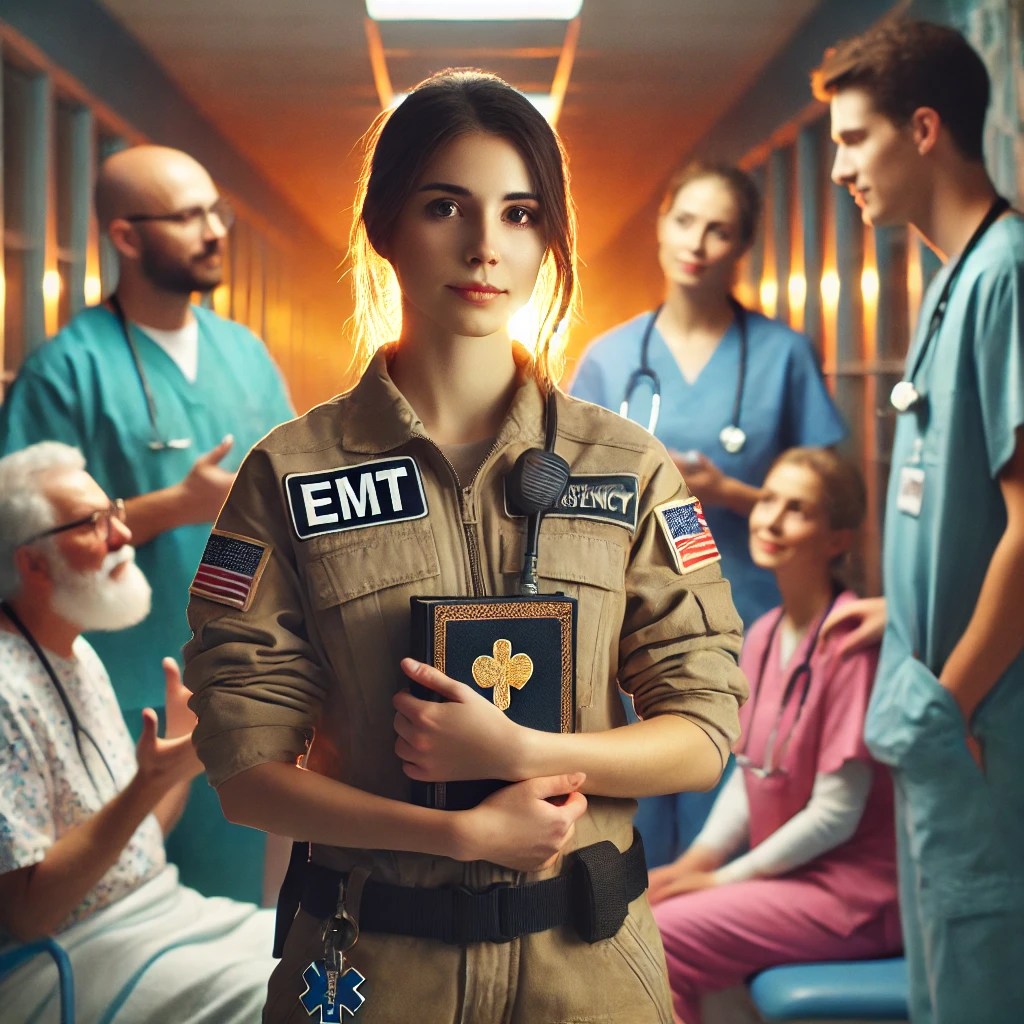
As I reflect on my journey through recovery and my career as a first responder and healthcare professional, one common thread runs throughout: the importance of a solid support system. My success in both arenas—recovery and my professional life—has been shaped, nurtured, and uplifted by the mentors and community that surround me. From recovery groups to colleagues, friends, and mentors, these relationships have been key to my growth and healing, as well as to my ability to excel in a high-pressure environment where mental health often takes a backseat.
The Role of Mentorship in Recovery and Career
Recovery is not a journey taken alone, and neither is a career in first response or healthcare. I have been fortunate to have a group of individuals who have guided me through the rough patches, supported me through the trials, and celebrated my victories—no matter how small they might have seemed.
One of my most influential mentors is Ron Morin, often referred to as “The Grandfather of EMS in Maine.” Ron has not only shared his invaluable knowledge and experience but has also offered personal guidance, helping me navigate the complexities of the EMS world and the challenges that come with it. His mentorship has extended beyond the technical and professional, touching on the personal aspects of resilience and perseverance in the face of adversity.
Equally important is my counselor, the clinical director at Recovery Connections of Maine. He has been a constant source of support as I work through the emotional aspects of recovery. His ability to provide a safe, non-judgmental space for me to process my experiences has been crucial in helping me stay grounded and focused on my healing. This safe space has allowed me to dig deeper into the roots of my struggles and has provided me with the tools to continue moving forward.
I also owe a great deal to my life coach, Jenny Sheriff, who wears many hats as a charge nurse in the Emergency Department and a former paramedic. Jenny has been instrumental in helping me find balance and clarity in my work and personal life. Her perspective, both as a healthcare professional and a person with her own wellness journey, has provided invaluable insight into managing stress, expectations, and self-care. She reminds me of the importance of staying centered amidst the chaos, something that is often difficult to do in our line of work.
On a more personal level, I am blessed to have a close-knit circle of friends and colleagues who have become my emotional support system. My best friend Sadie, who is a Psychiatric Nurse Practitioner practicing in the state of Maine, has been more like a sister to me through all of my ups and downs. She has patiently stood by me through trials and tribulations, and provides her keen insight on medication management and the mental health system as a whole. Barbara, a colleague and close friend, is always there to lift me up, especially during tough times. Our shared faith and the prayerful moments we’ve spent together have been a deep source of comfort and strength. And then there’s Graham—my partner. His unwavering love and encouragement are a constant motivator, pushing me to strive for my fullest potential, both in recovery and in my career, and to love myself every step of the way.
I would be remiss if I didn’t mention the most significant influence in my life: my Mother. Her resilience in the face of adversity set the tone for everything I would come to face. It is from her that I inherited my stubborn optimism and my unwillingness to give up, even in times of struggle. Watching her handle life’s challenges with grace and strength shaped my own outlook on overcoming hardship. She taught me that no matter how hard the road gets, there is always a way forward. Her example continues to guide me in my recovery and in my professional life, reminding me that resilience is something we can all cultivate, no matter the circumstances.
Building Your Own Support System: Advice for Others
If there is one thing I have learned along the way, it’s that a strong support system is non-negotiable. If you are in recovery, a first responder, or healthcare worker, or if you are navigating any of life’s challenges, seeking out mentors and building a support network is essential.
Start by identifying the people who inspire you—those who show up, not just in your moments of success but also in your moments of struggle. Look for individuals who challenge you to grow, who hold you accountable, and who lift you up when you feel like giving up. It’s okay to be vulnerable and open with those who have walked a similar path, as their experiences and guidance can make all the difference.
In my own journey, the recovery community has played a crucial role. Attending recovery meetings, participating in group therapy, and being part of peer support networks have all given me the opportunity to connect with others who understand the struggle. These meetings have provided a space to share, listen, and learn from others, reinforcing the idea that I am never alone in my experiences. Having access to individual therapy and psychiatry has been just as vital. My psychiatrist, for example, creates a collaborative environment where I can discuss my medications and lifestyle changes in detail, always ensuring that my mental health is prioritized and that we are working together to find the best solutions for my well-being.
The Power of Community
In addition to my mentors, I am deeply inspired by the many individuals I work with in both the recovery and healthcare fields. I am constantly motivated by my colleagues in the Emergency Department—doctors, nurses, EMTs, and paramedics—who set incredibly high standards for themselves and for their patient care. Their dedication, work ethic, and commitment to excellence challenges me to raise the bar in my own work and recovery.
Similarly, I find inspiration in the recovery community. So many individuals extend themselves beyond what might seem realistic—juggling service to others, family responsibilities, and their own recovery journeys with grace and commitment. This willingness to put in the work, even when it’s difficult, reinforces the importance of community and accountability in maintaining long-term recovery.
Conclusion: The Intersection of Recovery and Career
When I think about the intersection of my recovery and my career, I realize that both have grown and flourished because of the support systems I’ve surrounded myself with. It is these people—my mentors, colleagues, friends, family, and especially my mother—who have shown me that success in recovery and career is not about doing it alone. It’s about building a community, seeking guidance when needed, and being willing to lean on others when the road gets tough.
For me, finding faith in a Higher Power has also been instrumental to maintaining my recovery. In times of struggle, when the pressure feels overwhelming, it is my faith that strengthens me and gives me the courage to keep moving forward. The quiet moments I spend in prayer after a particularly hard day help me process the emotional weight of my work and personal experiences. Without this faith, I would not be able to deal with the difficult realities of my job, especially in handling the deceased in my role at the hospital. It is through this faith that I find the strength to do this deeply emotional work, knowing that I am not alone.
For anyone who is on a similar journey—whether in recovery or in their professional life—know that mentorship, community, and faith are key. Seek out those who inspire you, who challenge you, and who offer support. You don’t have to do it alone.

 Mind Over Mayday
Leave a reply to Ron Morin Cancel reply